Indonesia
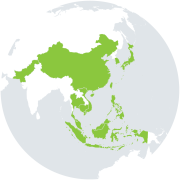
Indonesia is one of Southeast Asia’s most significant energy transition markets.
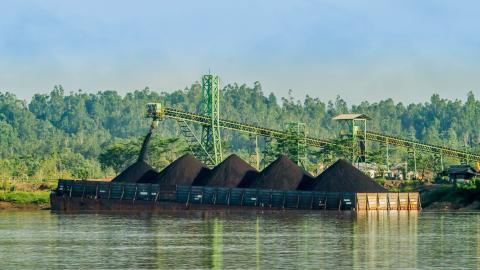
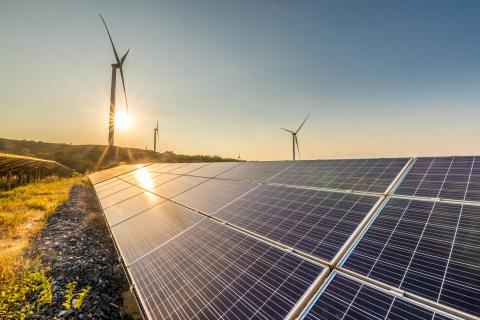
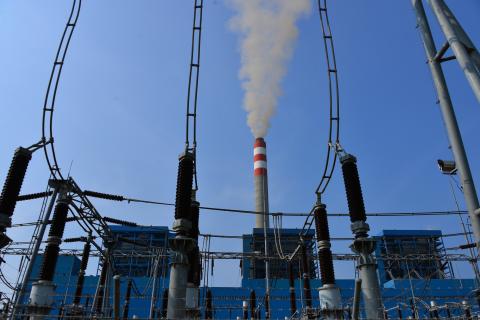
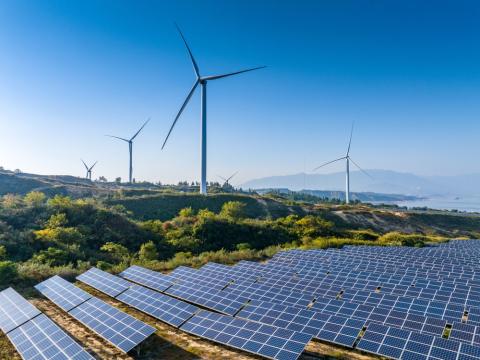
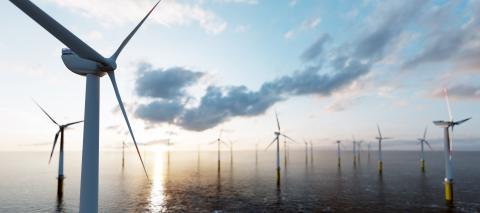
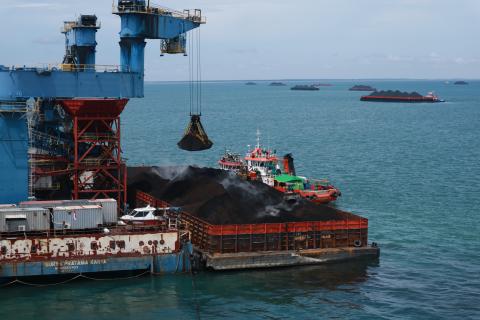
Although the country has abundant solar, wind, and geothermal resources, coal continues to dominate the power sector and supports energy-intensive industries, including nickel processing. Expanding renewable energy (15.7% of the country’s electricity mix in 2025) will require sustained investment in generation, transmission infrastructure, and market reforms to unlock Indonesia’s clean energy transition potential across its vast archipelago.
Indonesia has committed to increasing renewable energy capacity to 75 gigawatts (GW) by 2040, but achieving this target will require overcoming financial, regulatory, and institutional challenges. Mobilizing public and private capital, strengthening investment frameworks, and expanding grid infrastructure will be critical to accelerating renewable energy deployment while supporting long-term economic growth and energy security.
IEEFA’s research and stakeholder engagement examine the financial, regulatory, and market developments needed to advance Indonesia’s energy transition. Through independent analysis and engagement with policymakers, industry, investors, and civil society, IEEFA contributes evidence-based insights to help inform energy policy, investment, and market development.
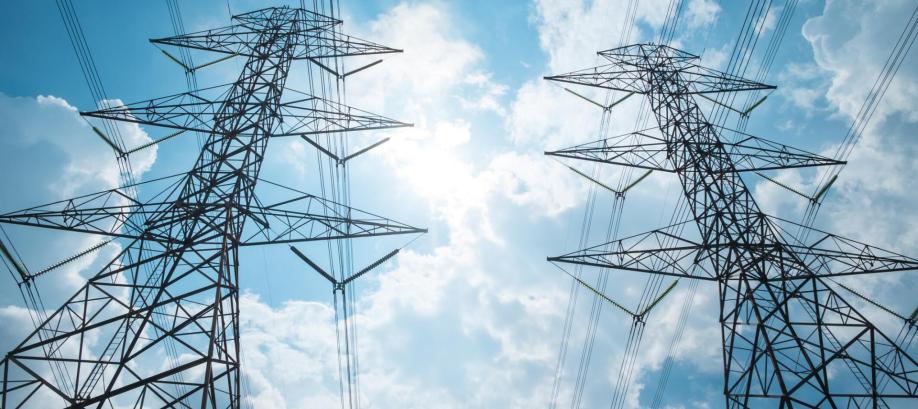
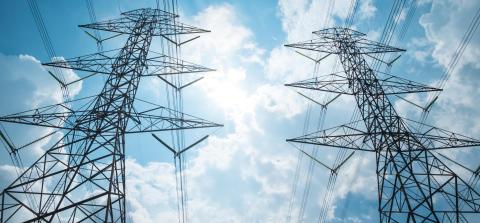
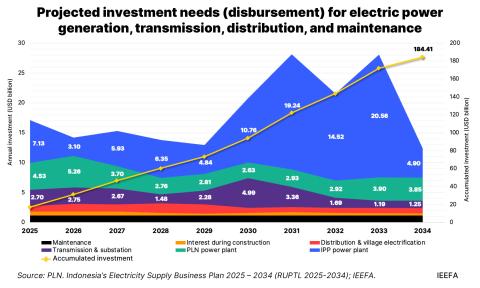
Unlocking Indonesia's transmission grid investment
Indonesia's grid expansion is being constrained not by a lack of policy ambition but by how transmission is financed — resulting in slower build-out, higher financing costs, and a structural mismatch with the country's energy transition goals.
Latest Indonesia Research
See more >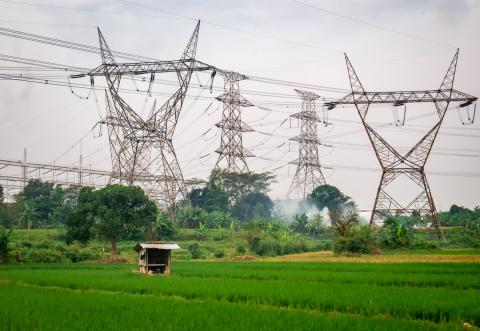

Latest Indonesia Reports
See more >

Latest Indonesia Press Releases
See more >