Asia
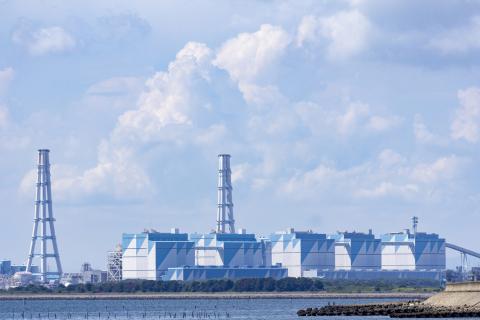
Asia is the world’s fastest-growing and most economically dynamic region — home to half the global population and more than half of the world’s energy consumption. Much of this is powered by coal: China, Japan, South Korea, and Indonesia alone accounted for 57% of the world's coal-fired capacity in 2024, and Asian countries constitute the top 10 nations responsible for over 90% of operating coal power capacity and 99% of all new additions.
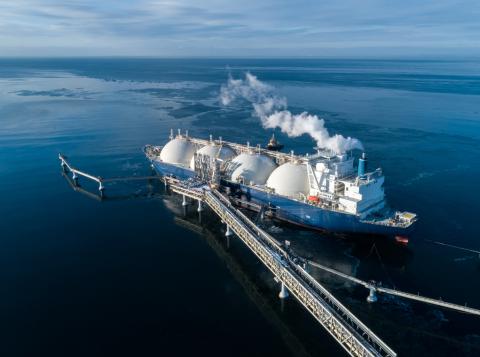
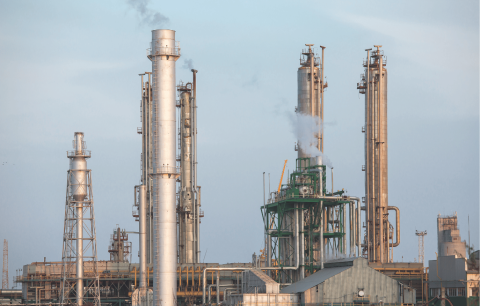
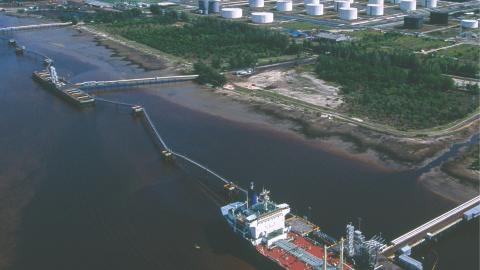
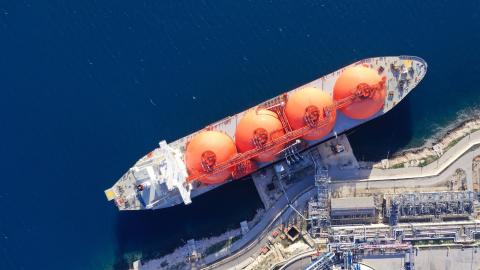
Heavy dependence on imported fossil fuels — oil, coal, and liquefied natural gas (LNG) — has continued to expose Asian economies to recurring commodity price volatility, balance of payment pressures, and energy supply insecurity. Global conflicts, from the Russia-Ukraine war in 2022 to the Iran conflict in 2026, have significantly contributed to energy price spikes, with rippling effects on inflation, interest rates, trade balances, and gross domestic product (GDP) growth across the region.
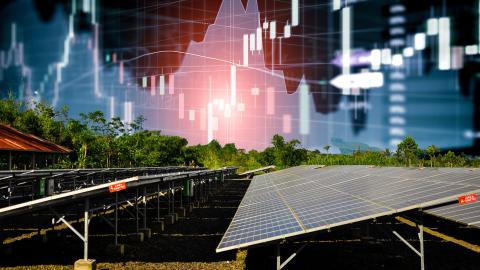
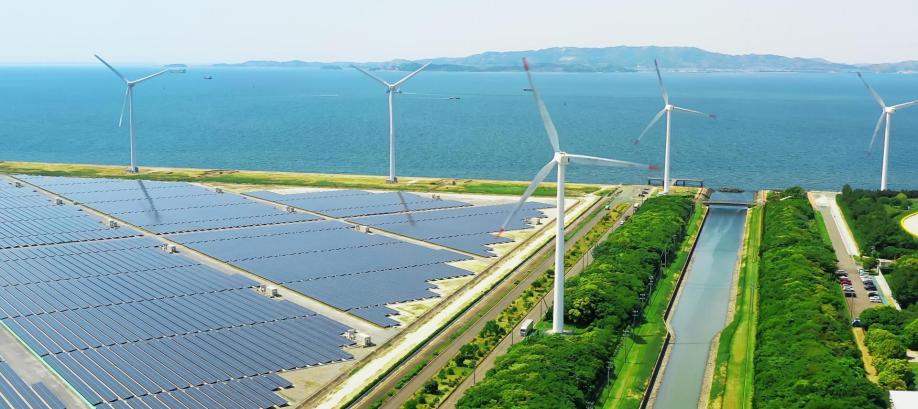
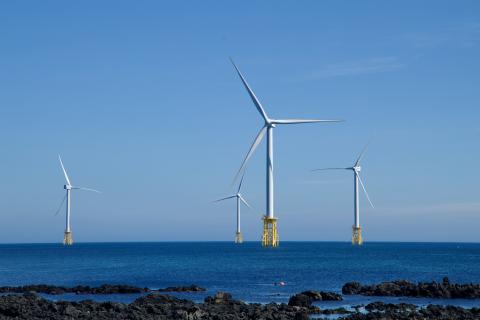
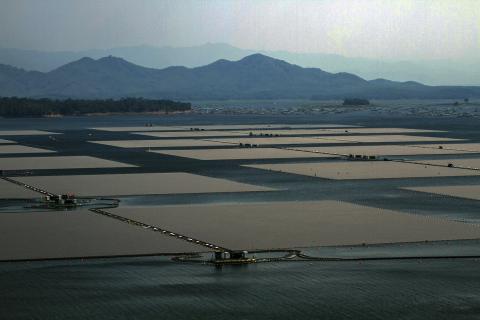
Yet, Asia also possesses vast untapped solar and wind resources, and the pace of clean energy investment is accelerating across key markets. Supply chain investment opportunities in solar photovoltaic (PV) and offshore wind across the Asia Pacific are projected to reach USD1.1 trillion by 2050. Renewable energy costs have consistently declined over the past two decades, and faster coal phaseouts and scaled-up renewables deployment offer regional economies an affordable pathway to long-term energy and economic security.
Subscribe to IEEFA Asia's monthly newsletter to stay current with economic and financial analysis of Asia’s fast-evolving energy landscape.



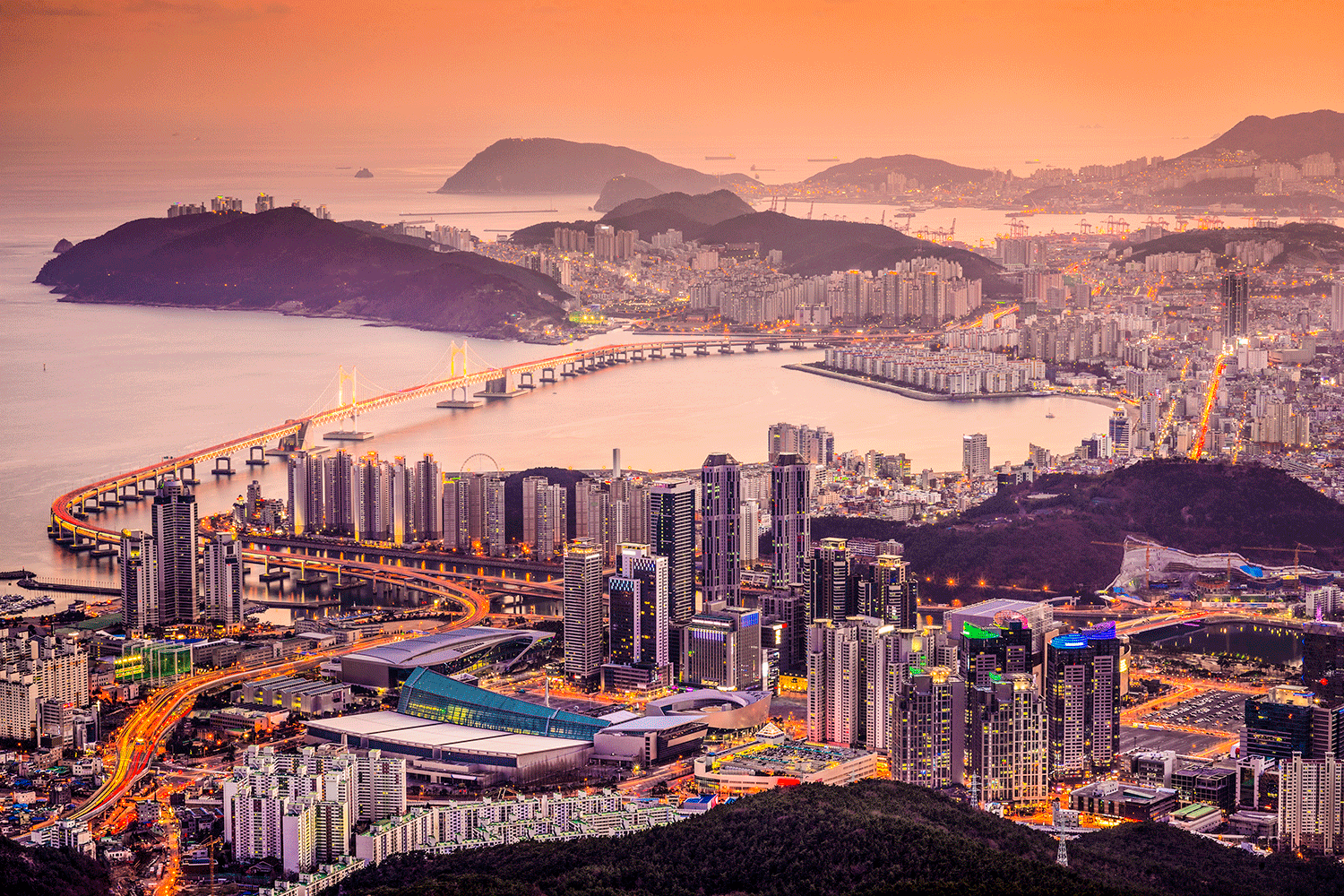




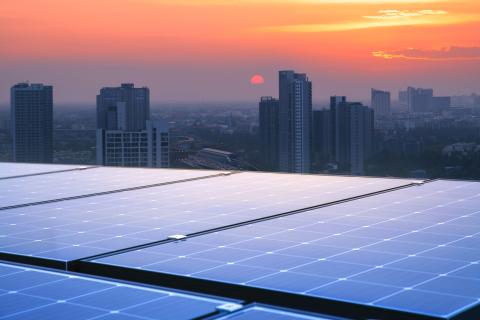
Rethinking Indonesia's electricity economics to reach the 100GW solar target
Embedding Indonesia’s 100GW solar program into the Future Electricity Supply Business Plan (RUPTL) could reduce electricity costs and strengthen energy security.
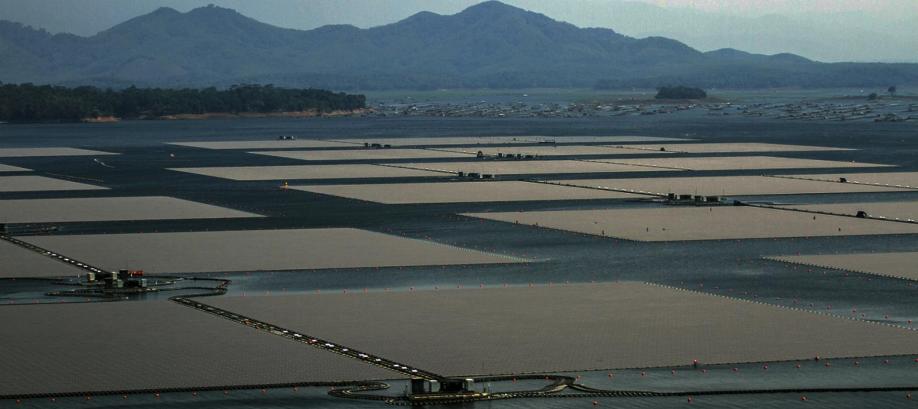
Reforming Thailand's rooftop solar policy framework to reduce gas dependence
The next few years will be crucial for sustaining Thailand’s rooftop solar growth. The country can consider adjusting its regulatory framework to improve project economics for end-users through transitioning from net billing to net metering.
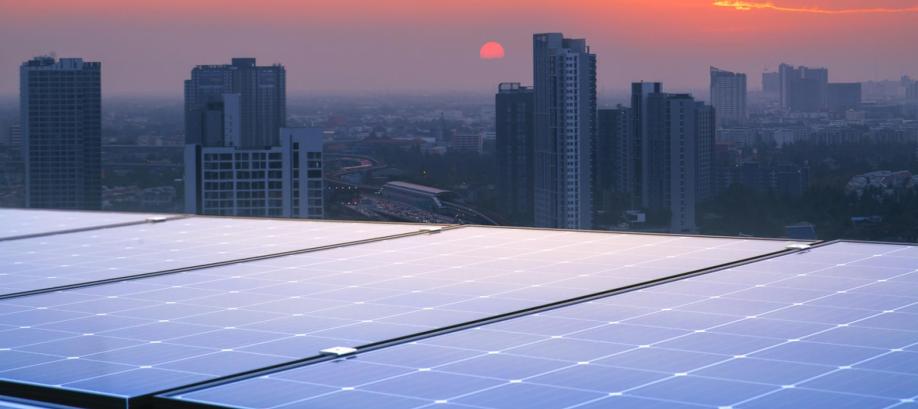
Renewables are now the clear solution to Asia’s energy trilemma
The energy shock following the Middle East conflict underscores the need to accelerate the deployment of renewable energy (RE) in Asia. Countries with substantial RE investment have experienced less severe economic impacts from geopolitical instability.
Latest Asia Research
See more >
Latest Asia Reports
See more >

Latest Asia Press Releases
See more >