Pakistan
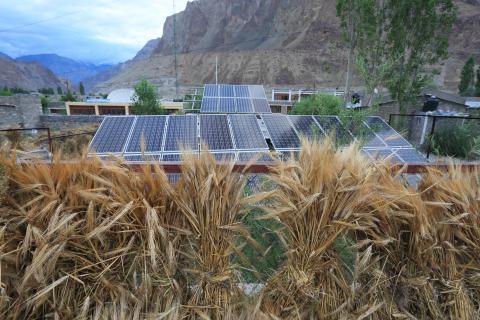
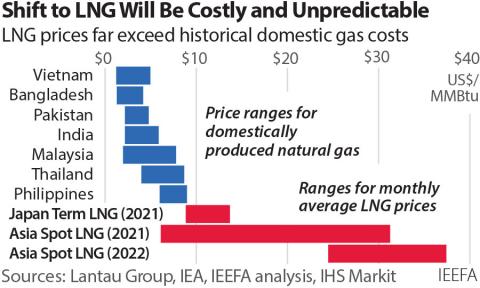
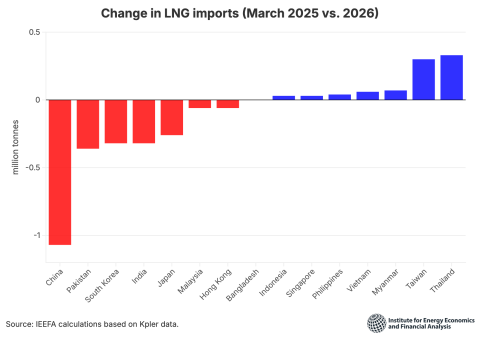
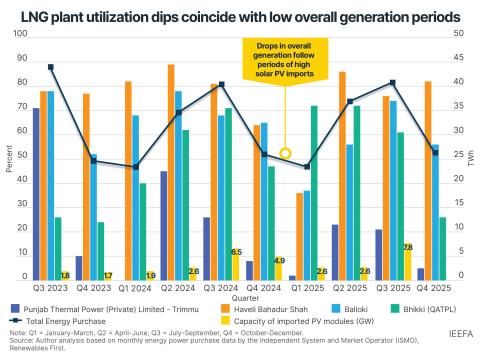
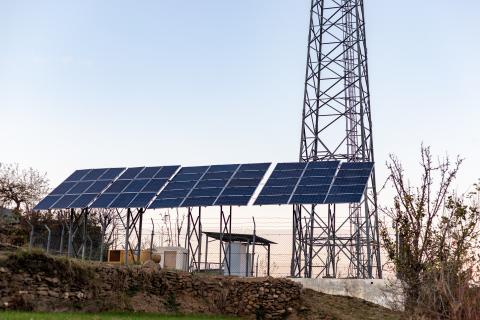
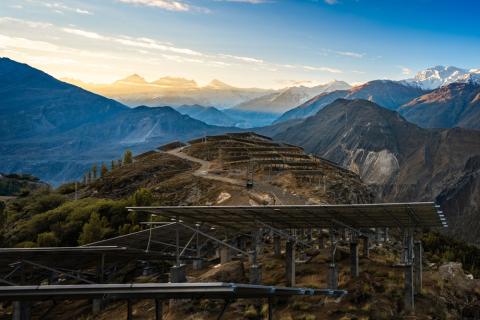
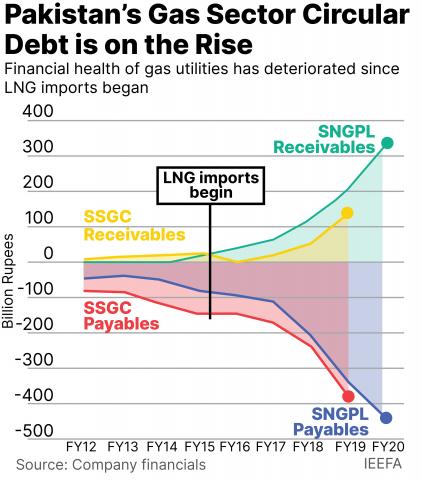
Pakistan is experiencing a solar boom, with over 20 gigawatts (GW) of solar-based distributed and utility-scale capacity installed by mid-2025. This expansion has reshaped the country’s energy landscape. Once considered a major growth market for liquefied natural gas (LNG) in Asia, Pakistan has seen LNG consumption decline significantly because of weaker gas demand, the rapid uptake of distributed solar, and the high cost of LNG under existing contractual arrangements.
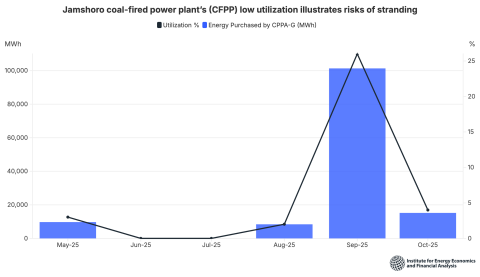
This rapid transformation has also highlighted longstanding structural challenges in Pakistan’s energy sector. Declining electricity demand, fiscal inefficiencies, and entrenched circular debt underscore the need to improve the financial sustainability of the power sector. At the same time, continued reliance on imported fossil fuels leaves the country exposed to global fuel price volatility and supply chain disruptions.
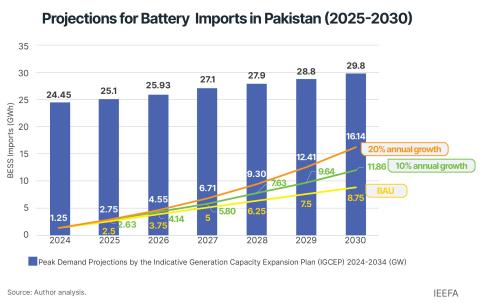
IEEFA’s research and stakeholder engagement examine the financial and economic implications of Pakistan’s evolving energy transition. Through independent analysis, IEEFA examines the role of LNG, the rapid growth of solar and battery energy storage systems (BESS), power sector financing, grid modernization, and policy reforms to support Pakistan’s energy transition.
Pakistan’s LNG surplus crisis: Assessing evolving energy dynamics and the need for flexibility
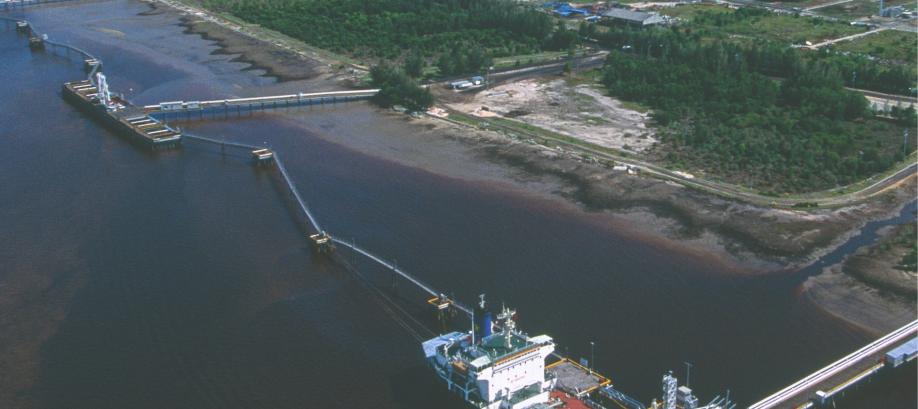
An over-reliance on long-term, rigid contracts for energy security in Pakistan had led to a surplus of LNG before the current Middle East crisis.
Latest Pakistan Research
See more >
Latest Pakistan Reports
See more >



Latest Pakistan Press Releases
See more >