Fact sheet | Pakistan’s energy transition reduces exposure to LNG market disruptions
Download Fact Sheet
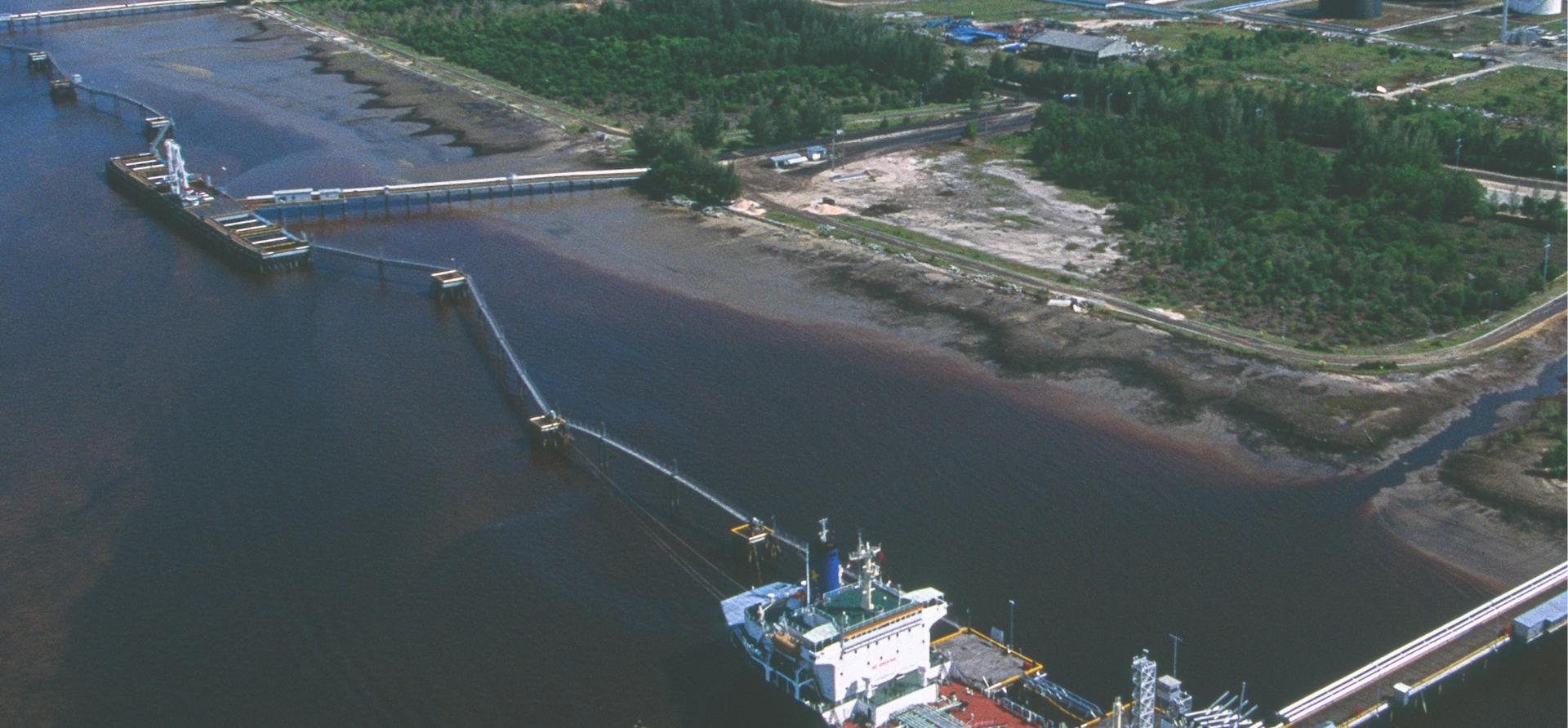
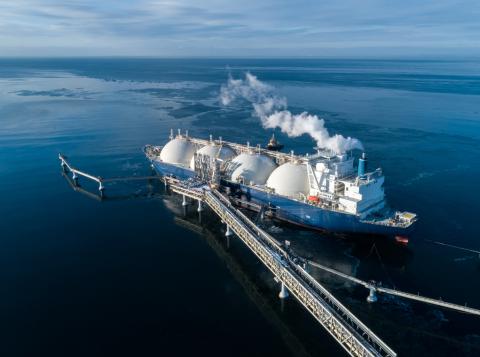
The 2026 Middle East conflict disrupted Pakistan’s liquefied natural gas (LNG) supply, highlighting the risks of reliance on LNG imports and inflexible long-term contracts. Rapid solar growth and a more diverse power mix helped maintain a stable electricity supply despite reduced LNG availability. However, the country still turned to the spot market to meet peak electricity demand during the conflict, even with a potential surplus of 177 LNG cargoes through 2032. IEEFA’s fact sheet examines how Pakistan’s energy transition has reduced its exposure to LNG market disruptions and the challenges of meeting peak electricity demand. It also highlights the need for more flexible LNG procurement, continued solar deployment, and faster battery energy storage systems (BESS) development.
Read:
Commentary | Breaking Pakistan’s LNG dependence cycle
Briefing note | Pakistan’s LNG surplus crisis: Assessing evolving energy dynamics and the need for flexibility

Related Content