Key Findings
Mining’s rising diesel use has outstripped Australia’s overall demand growth for this key fuel.
Reducing fuel use in mobile plant, off-grid power and transport could save 10–20% across mining’s expansive diesel footprint.
Coal and iron ore fuel savings are most critical, and their pursuit could benefit from well-resourced corporate reform efforts.
Government should invite industry targets and remove barriers to their achievement, including tying Fuel Tax Credits to fuel efficiency improvements.
Accelerating fuel efficiency could ease Australian mining’s heavy dependence on diesel, saving 1.15–2.3G litres of fuel a year at a time of tightening international supply and spiking domestic prices.
As the Middle Eastern crisis worsens and the US considers a ban on diesel exports, diesel prices well above $3 a litre for diesel and even physical shortages are becoming distinct Australian risks.
Yet in keeping with explosive growth since 2010, mining’s diesel consumption has remained sky high through the fuel crisis to date. Demand has outpaced other sectors and is placing an increasing burden on consumers and the economy. This is due in part to rising diesel intensity levels – fuel consumed per tonne of production – particularly in coalmining, and the disincentives for miners to use cheaper, cleaner alternatives.
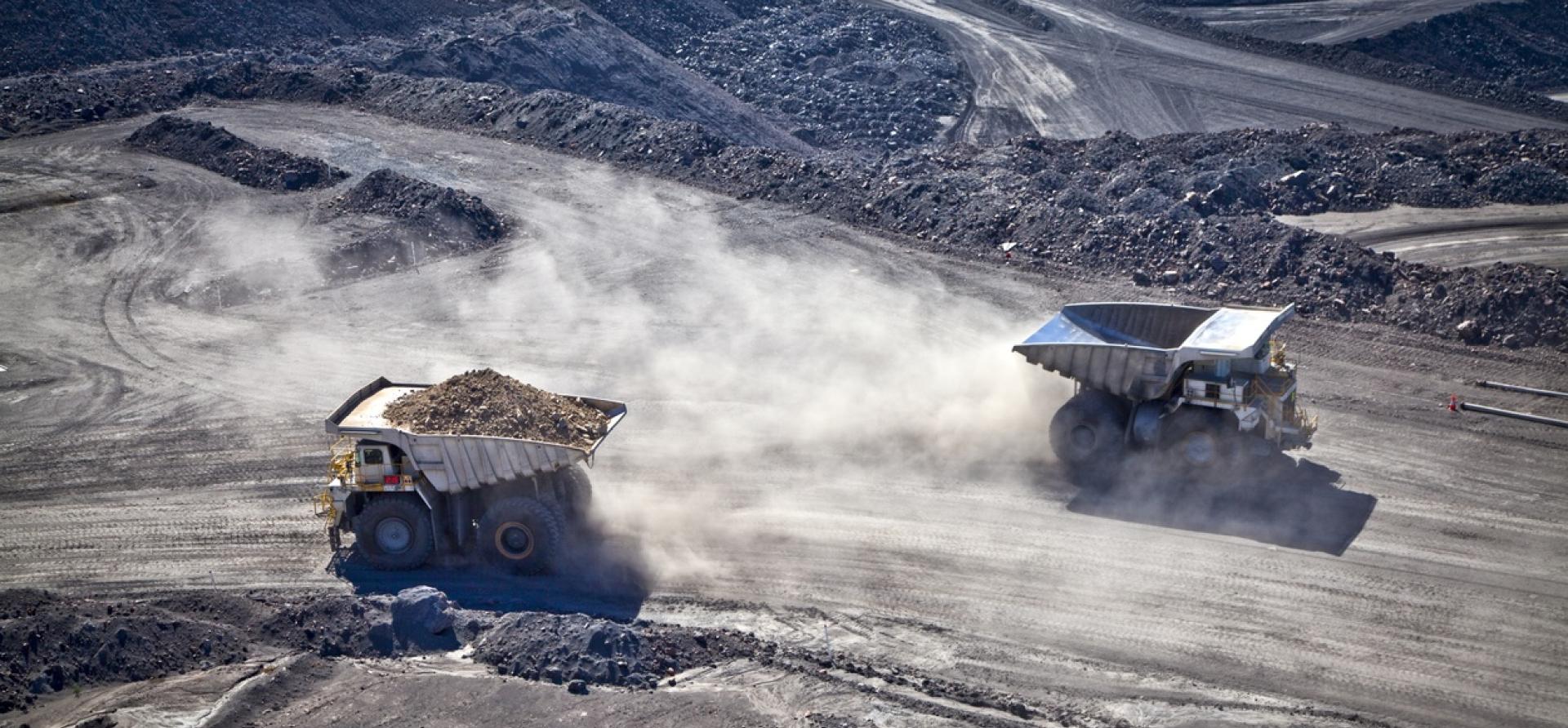
Mining is a key driver of Australia’s atypically large diesel dependency. Mining is Australia’s second-largest consumer of diesel — behind transport and logistics —responsible for 7.7 gigalitres of annual consumption. If transport and other services are included, mining is Australia’s largest diesel-using industry, consuming 11.5 gigalitres, or 35%, of the national total.
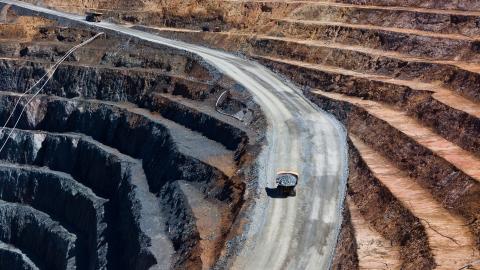
Coal and iron ore dominate Australian mining, together consuming about 80% of the sector’s diesel. Rising strip ratios – the amount of waste removed per tonne of coal/ore – and the trend towards open-cut coalmining are driving the increase in diesel use. In short, it takes more fuel to extract the same amount of product.
Reducing mining’s diesel use can improve Australia’s energy security, future-proof industry, and reduce emissions, paving the way for structural improvements led by electrification. But there are considerable barriers to overcome, including split incentives for mining principals and contractors and the Fuel Tax Credits (FTC) system, which supports sustained diesel use.
At the same time, a handful of companies account for the lion’s share of mining’s diesel demand, presenting an opportunity for targeted policies to reduce use.
The sum of available fuel-efficiency solutions suggests diesel savings of 10–20% are possible in mining, with first results possible within six months. Interventions including improved mine planning and fleet management, cross-industry transport integration, and enhanced generator operation and maintenance could save a combined 1.15–2.3 gigalitres of diesel per year.
Mining uses more than a third of Australia’s diesel
IEEFA makes several short- and longer-term recommendations for government to consider, such as:
- A 10–20% diesel-reduction target for mining, with progress expected within six months and penalties for non-compliance.
- A requirement for mining companies with diesel use above 100 million litres a year to formulate diesel-saving plans, with regular reporting and public disclosure of results.
- Reforming the FTC system, including diminished eligibility to claim rebates for miners that fail to meet fuel-efficiency benchmarks.
The ongoing federal Safeguard Mechanism review is another ideal opportunity for reforms, including setting emissions decline rates that reflect global best practice mining fuel efficiency.
Moreover, as previous IEEFA research assessing diesel use in freight has noted, saving fuel is a logical priority for industry members themselves, purely for its cost-saving ability.

Related Content