Thailand
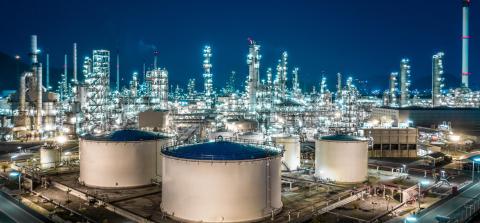
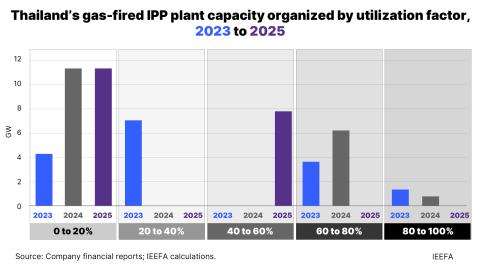
Thailand relies on gas for 66% of its power output, with liquefied natural gas (LNG) imports accounting for 27% of its gas requirements as of April 2026. The country spends more than 7% of its gross domestic product (GDP) on oil and gas imports — a share likely to rise as global supply disruptions drive up replacement cargo costs. Existing natural gas-fired power plants operate at relatively low utilization rates, while the current power development plan includes 6.3 gigawatts (GW) of new gas-fired capacity by 2037. Nearly all proposed projects face extensive delays and escalating costs because of global gas turbine shortages.
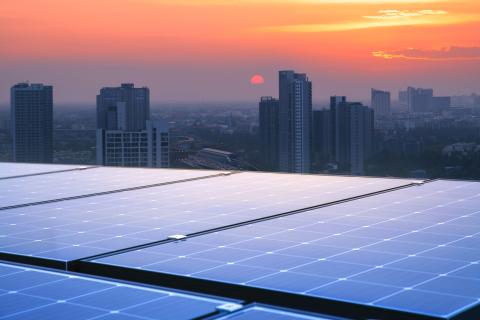
At the same time, renewable deployment in Thailand is accelerating. Solar became the cheapest form of electricity in the country in 2022, and solar capacity more than doubled in the first 10 months of 2025 to reach 6.8GW. With over 300GW of potential, there is significant headroom for solar generation to increase and meet demand. Establishing a more supportive environment for cheaper renewable energy would mitigate the impacts of expensive fuel imports and enhance Thailand’s energy security and resilience.
IEEFA’s research and stakeholder engagement examine the financial and economic implications of Thailand’s energy transition. Through independent analysis, IEEFA assesses Thailand’s energy market, policies, and investment trends to support its energy transition.
Iran conflict exposes Thailand’s LNG vulnerability
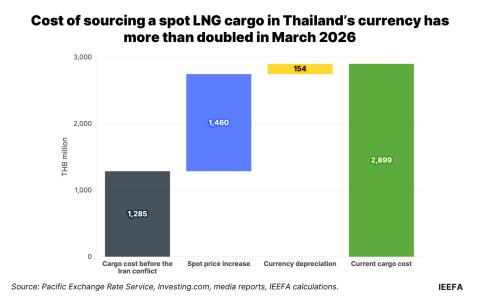
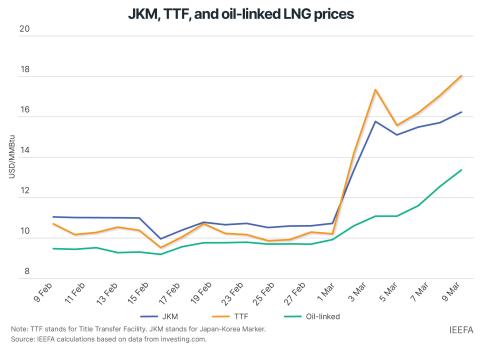
The Iran conflict poses heightened risks for gas-dependent Thailand, which relies on gas for 66% of its power output.

Latest Thailand Research
See more >

Latest Thailand Reports
See more >


Latest Thailand Press Releases
See more >