Fact sheet: Elevated oil prices compound Southeast Asia's fossil fuel subsidy challenge
Download Fact Sheet
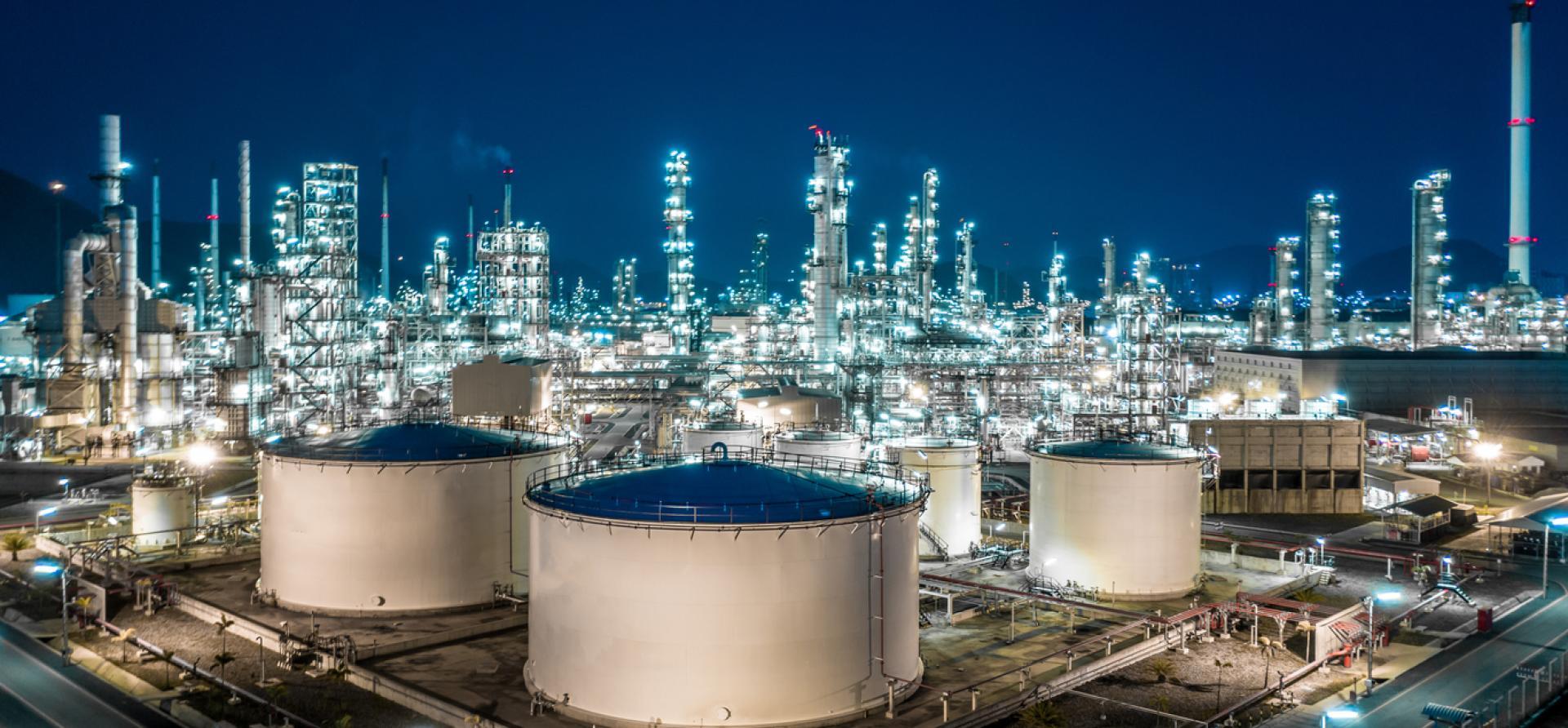
The closure of the Strait of Hormuz led to higher global oil prices, exacerbating Southeast Asia’s fossil fuel subsidy challenge. With around 80% of crude oil and liquefied natural gas (LNG) transiting the Strait bound for Asia, the region’s heavy reliance on imported fuels has amplified exposure to global price volatility. Governments have since faced rising costs to stabilize domestic energy prices and manage subsidy programs. IEEFA’s fact sheet examines how recent supply disruptions are affecting subsidy levels across Indonesia, Malaysia, Thailand, Vietnam, and the Philippines. It also outlines the fiscal pressures emerging from these policies and the structural challenges that continue to influence energy affordability and energy security in the region.
Read the briefing note: Elevated oil prices compound Southeast Asia’s fossil fuel subsidy challenge

Related Content