Philippines
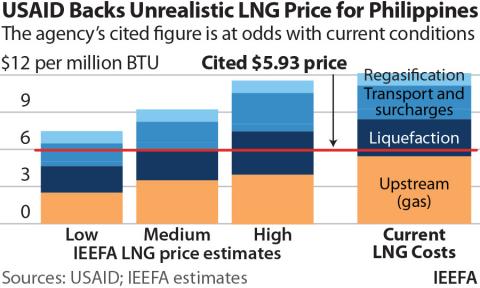
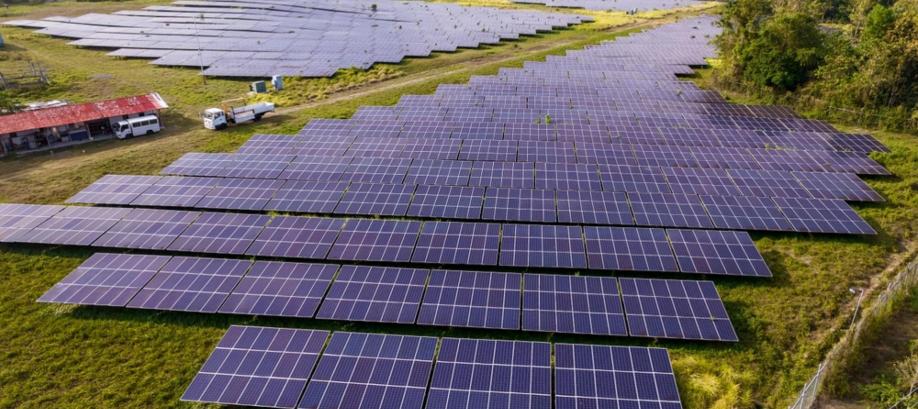
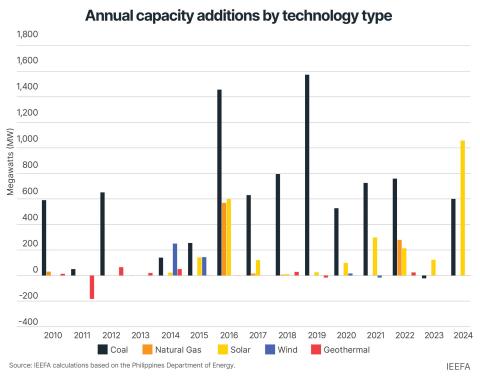
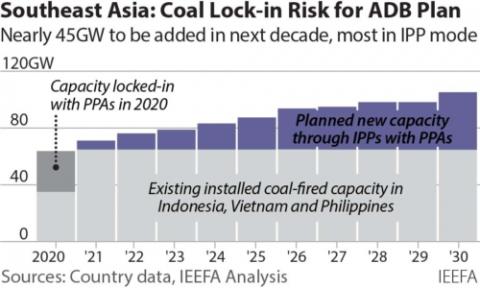
Despite its vast renewable energy potential, the Philippines is heavily dependent on fossil fuels. Coal continues to dominate the power sector, while existing policy frameworks support natural gas development and legacy long-term power purchase agreements (PPAs) for coal. As domestic gas reserves decline, the country is increasingly turning to liquefied natural gas (LNG) imports to meet future energy needs, leaving it more exposed to global fuel price volatility and foreign exchange risks.
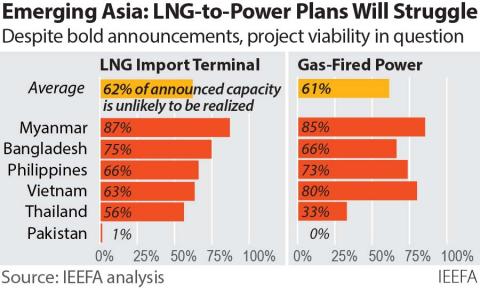
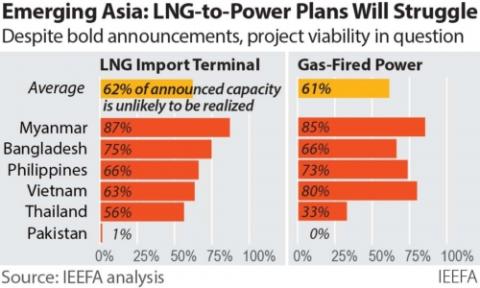
The Philippines’ LNG expansion is under growing pressure. Almost all proposed projects remain in early development stages and face significant regulatory, bankability, and gas turbine procurement challenges. At the same time, declining renewable energy and battery storage costs are reshaping the economics of new power generation, influencing the role of LNG in the country’s evolving energy mix.
IEEFA’s research and stakeholder engagement examine the financial, economic, and policy implications of the Philippines’ energy transition. Through independent analysis, IEEFA assesses the country’s energy market, investment trends, and policy developments to support its energy transition.
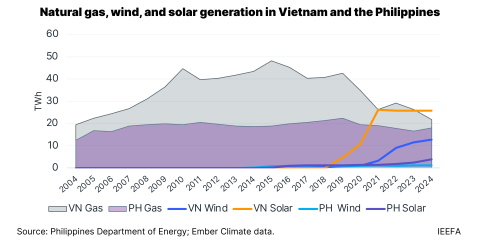
Clean energy is driving coal’s decline in the Philippines, not LNG
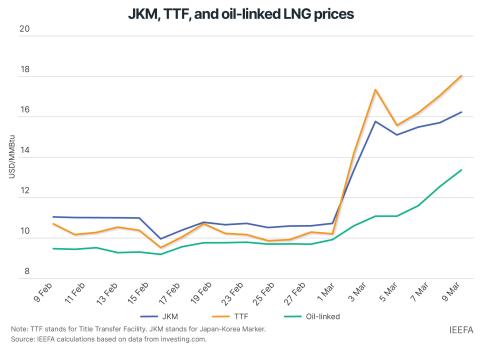
Price trends indicate clearly that renewables are likely to limit the long-term role of LNG in the Philippines.
Latest Philippines Research
See more >
Latest Philippines Reports
See more >


Latest Philippines Press Releases
See more >