Thailand’s gas fleet faces dual challenge of rising costs and underutilization
Thailand’s power pause presents a critical opportunity to reassess gas expansion plans and ease consumer prices
February 26, 2026 (IEEFA Asia): A new report from the Institute for Energy Economics and Financial Analysis (IEEFA) finds that Thailand faces persistent underutilization of gas-fired power plants, project delays, and rising costs. The analysis indicates that proposed gas capacity additions in national Power Development Plans (PDPs) are misaligned with electricity needs and climate goals.
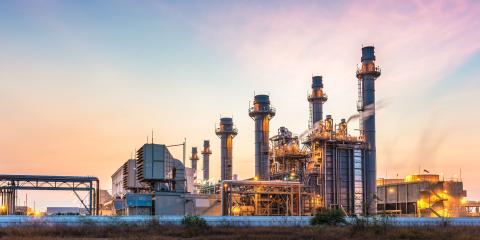
Existing natural gas-fired power plants in Thailand are significantly underused, yet the government continues to plan for 6.3 gigawatts (GW) of new gas-fired capacity by 2037 in its Draft Power Development Plan 2024 (Draft PDP2024).
Underutilized gas plants burden the government and ratepayers
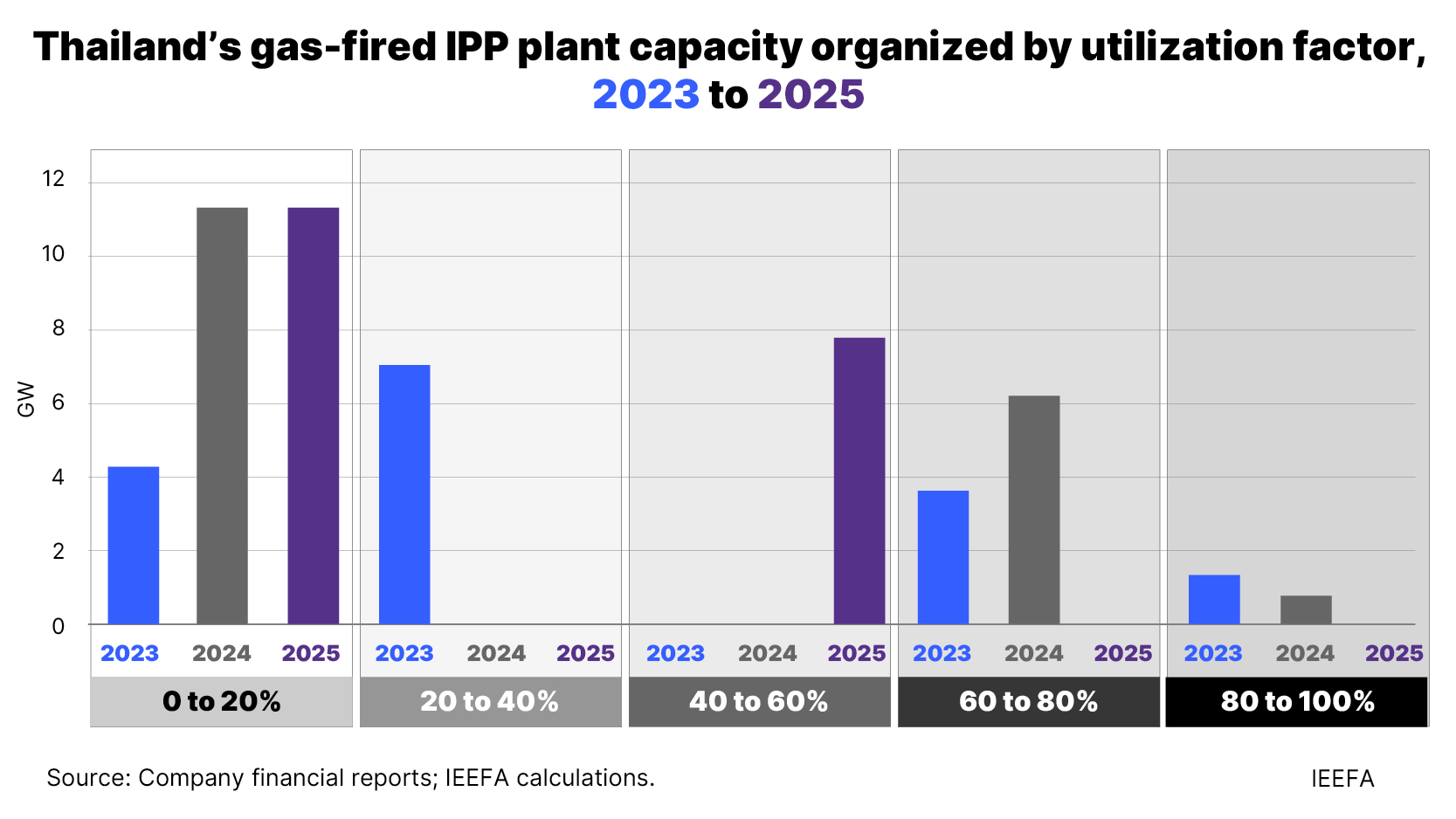
In 2025, 7 out of 11 privately owned gas-fired power plants in Thailand operated under a capacity factor of 10%.
“With over 11GW of combined capacity, these assets have cost the Electricity Generating Authority of Thailand (EGAT) and ratepayers THB159 billion (USD5.02 billion) over the last three years to generate minimal electricity,” says Sam Reynolds, co-author of the report and IEEFA Asia’s LNG/Gas Research Lead.
Underutilization is not limited to older plants, and several others, less than 15 years old, have also experienced steep declines in electricity output.
In October 2025, Thailand’s National Energy Policy Council (NEPC) suspended operations at four power plants, including three gas-fired facilities totaling 4GW of capacity.
“The prospect of stranded gas assets in Thailand’s power sector is not a hypothetical outcome of a future energy transition but a characteristic of the current conditions facing gas power plant operators,” says report co-author Christopher Doleman, IEEFA’s LNG/Gas Specialist, Asia. “The current gas pause presents an opportunity to recalibrate and deliver Thailand towards a more affordable and sustainable energy future.”
Planned gas projects face delays and rising costs
Amid existing overcapacity, the government’s Draft PDP2024 includes plans to bring 6.3GW of new gas-fired capacity online by 2037. However, nearly all proposed projects have faced prolonged delays. In 2025, EGAT canceled tenders for three of these projects.
Global gas turbine shortages are adding to these challenges. Major suppliers are reporting delivery timelines of approximately five years due to high demand from regions such as North America and the Middle East, as well as materials, components, and labor shortages across the supply chain.
The capital costs of deploying combined-cycle gas turbines (CCGTs) have tripled to USD2,400 per kilowatt (kW) over the past two years.
“For Thailand, these factors present a dual challenge to the economics of gas expansion. The country’s increasing reliance on expensive liquefied natural gas (LNG) is likely to raise marginal generation costs for gas plants,” notes Reynolds. “Higher turbine expenses for new plants would also increase capital expenditures, add multi-year delays, and complicate power sector planning.”
Increasing LNG dependence exacerbates financial pressures
The report highlights significant upheaval in Thailand’s gas pricing in response to global LNG price volatility and the growing share of LNG in the gas supply.
The Draft Gas Plan 2024 sees LNG imports growing by 73% to supply 43% of gas requirements by 2037, due to declining domestic production and Myanmar imports.
“The economic implications could be severe for consumers, who are already struggling to pay for the rising cost of gas supply. LNG prices were more than double those of domestic gas in 2025 and 29% higher than pipeline imports from Myanmar,” explains Doleman.
Hidden overcapacity costs
While the NEPC’s 4GW power pause will reportedly save state-owned utilities THB3.5 billion (USD111 million) in operating expenses, idle gas plants continue to incur fixed costs, which are passed on to consumers through base tariffs as availability payments.
EGAT’s latest estimate for the first 2026 tariff cycle estimates availability payments worth THB0.63 per kilowatt-hour (kWh) — nearly 17% of the current base tariff rate of THB3.78/kWh.
The report notes that with capital costs of CCGTs tripling, supporting future gas expansion under the current tariff regime would further increase the burden of availability payments.
Over the past three years, EGAT planned to pay over THB61 billion (almost USD2.0 billion) to the seven underutilized plants to generate zero monthly electricity.
The report advises that avoiding gas expansion and allowing for legacy power purchase agreements (PPAs) to expire would mitigate future exposure.
Power development plans can reflect climate commitments
Thailand’s recently updated nationally determined contribution (NDC3.0) sets an emission reduction target of 47% below 2019 levels by 2035 and brings forward its net-zero goal to 2050.
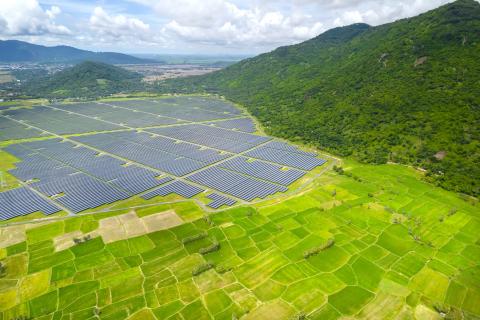
Renewable deployment in Thailand is accelerating. Solar capacity more than doubled in the first 10 months of 2025 to reach 6.8GW. Moreover, solar became the cheapest form of electricity in the country in 2022.
Instead of supporting idling, underperforming, and unaffordable gas units, the government could use cheap, plentiful renewable energy, the authors suggest. With over 300GW of potential, there is significant headroom for solar generation to increase and meet demand.
Read the report: Thailand’s gas conundrum: Overbuilt, underutilized, and increasingly expensive
Read this press release in Thai: โรงไฟฟ้าพลังงานก๊าซของไทยเผชิญความท้าทาย 2 ด้าน ทั้งต้นทุนที่พุ่งสูงและการใช้กำลังผลิตต่ำกว่าศักยภาพจริง
Author contacts:
Christopher Doleman ([email protected])
Sam Reynolds ([email protected])
Media contact:
Alex Yu ([email protected])