
Featured research
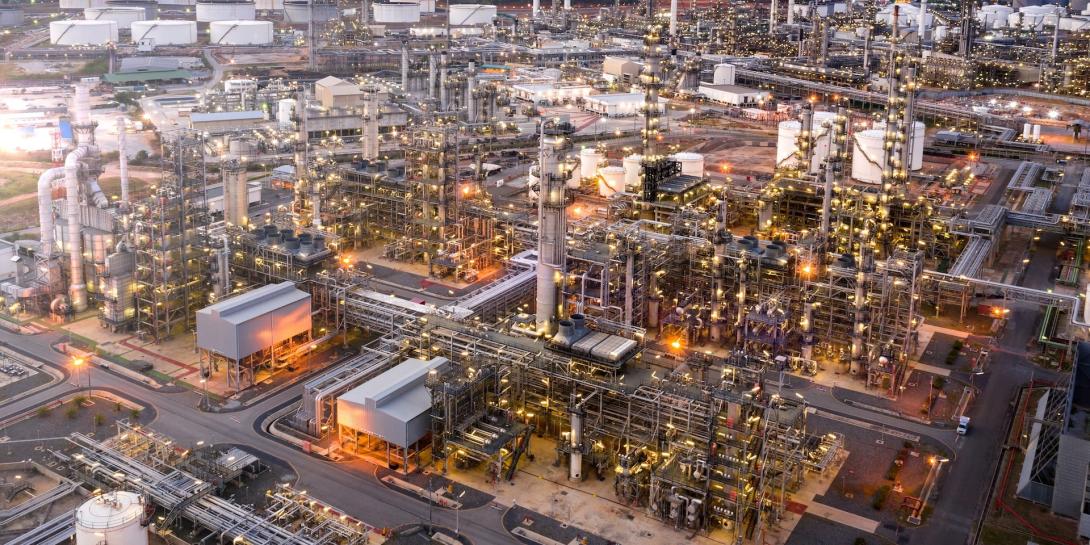
Global MDB Investments in Petrochemicals Tracker
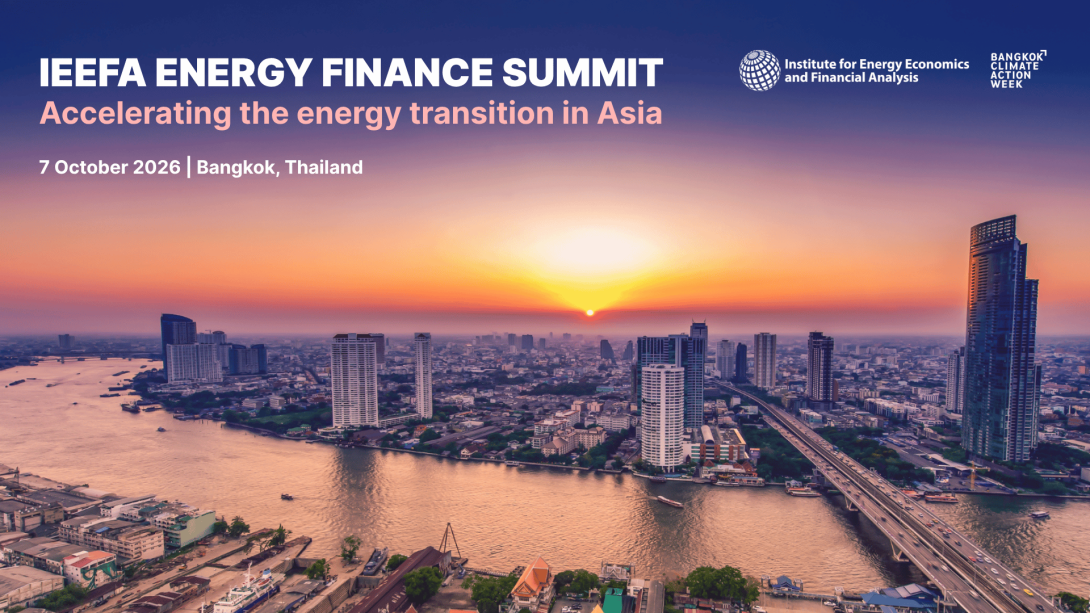
7 October 2026 / Conference
IEEFA Energy Finance Summit 2026: Accelerating the energy transition in Asia
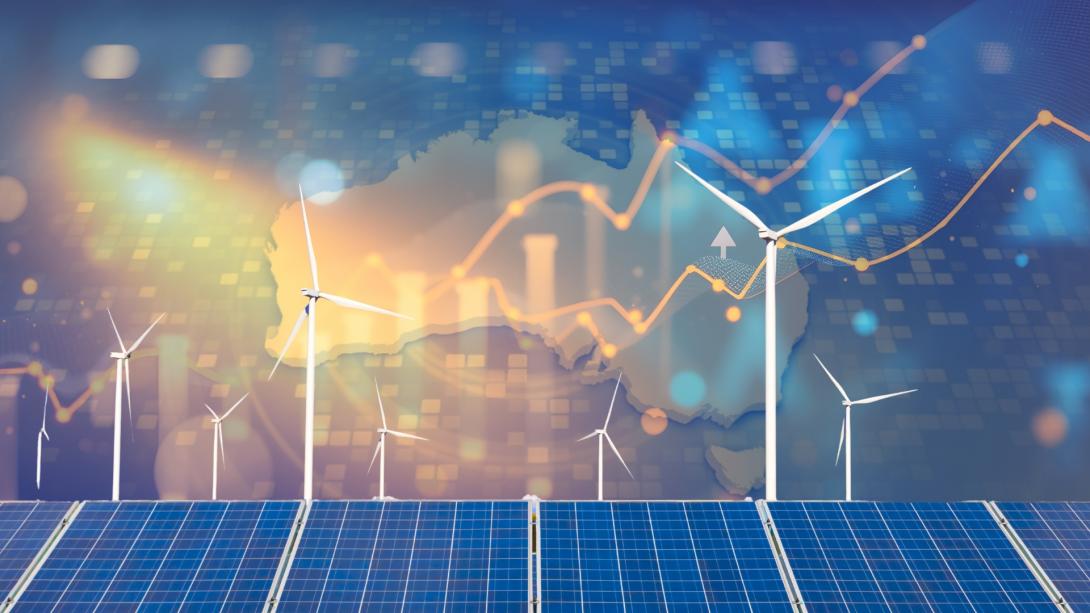
Australian Renewable Energy Scorecard
IEEFA's new Australian Renewable Energy Scorecard tracks renewable energy projects in Australia through their development stages, capacity, and the potential jobs and investment they could deliver.
Focus regions
Global Asia Australia Europe North America South AsiaWider regional coverage
Africa Latin & South America Middle EastExplore all news, resources and insights
Research Hub
9 September 2026 / Briefing Note
Growing the benefits of solar sharer tariffs
9 September 2026 / Briefing Note
South Korean offshore wind success requires a public-private approach to project realization
8 September 2026 / Insights
Eastern Australia gas demand continues to fall
1 September 2026 / Report
Assessing Alberta’s proposed West Coast Oil Pipeline
Focus regions
Global Asia Australia Europe North America South AsiaWider regional coverage
Africa Latin & South America Middle EastExplore all news, resources and insights
Research Hub

Accelerating the transition to a diverse, sustainable and profitable energy economy
IEEFA is a global, independent think tank providing nonpartisan, evidence-based analysis of energy markets, trends, and policies.
What we do Our team
18 September 2026 / Slides
Webinar slides: Hydrogen and CCS in water-stressed Texas
18 September 2026 / Slides
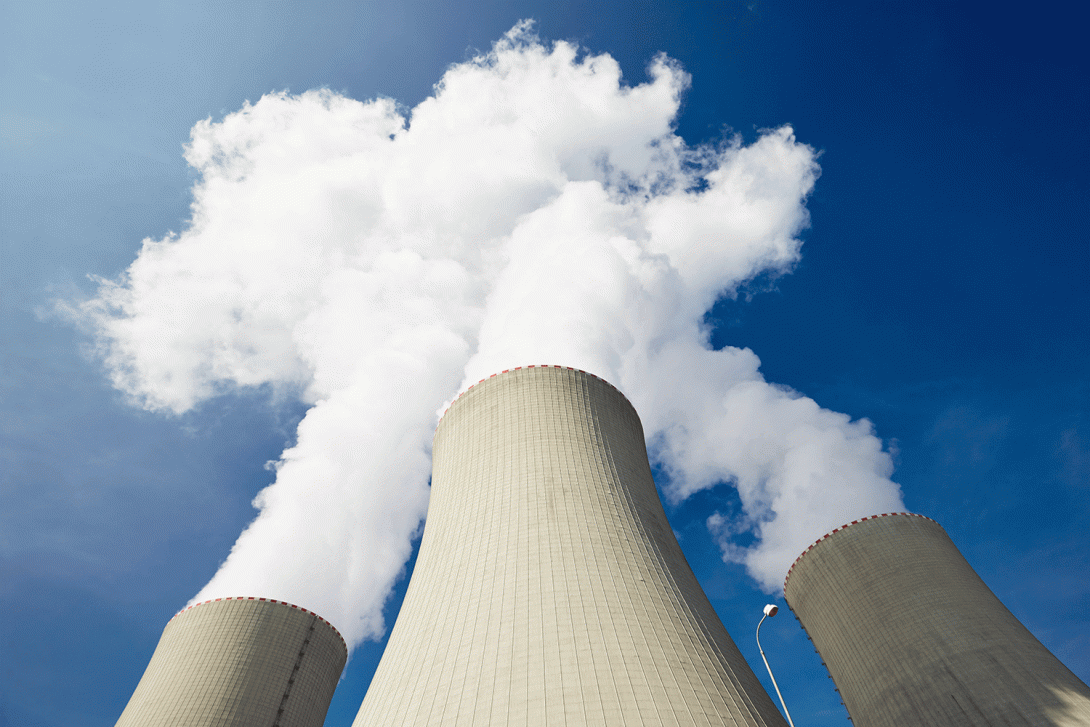
Webinar slides: Nuclear water woes

17 September 2026 / Insights
Europe bets on mild winter when it should be cutting gas demand
17 September 2026 / Insights
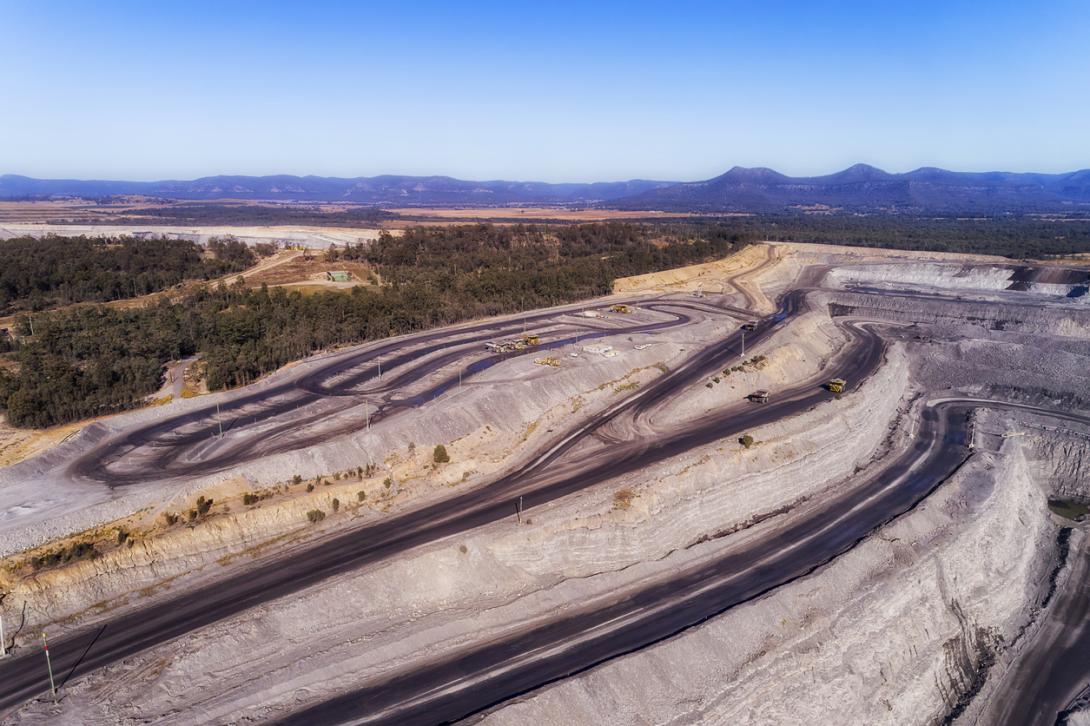
Why NSW should not cave in to HVO’s coalmine ultimatum
16 September 2026 / Insights
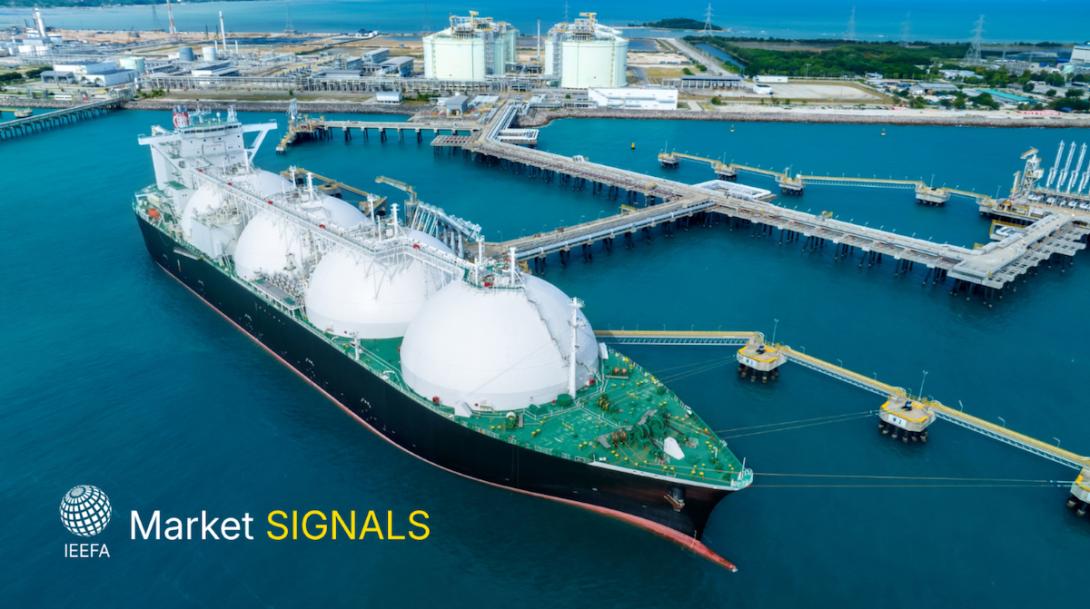
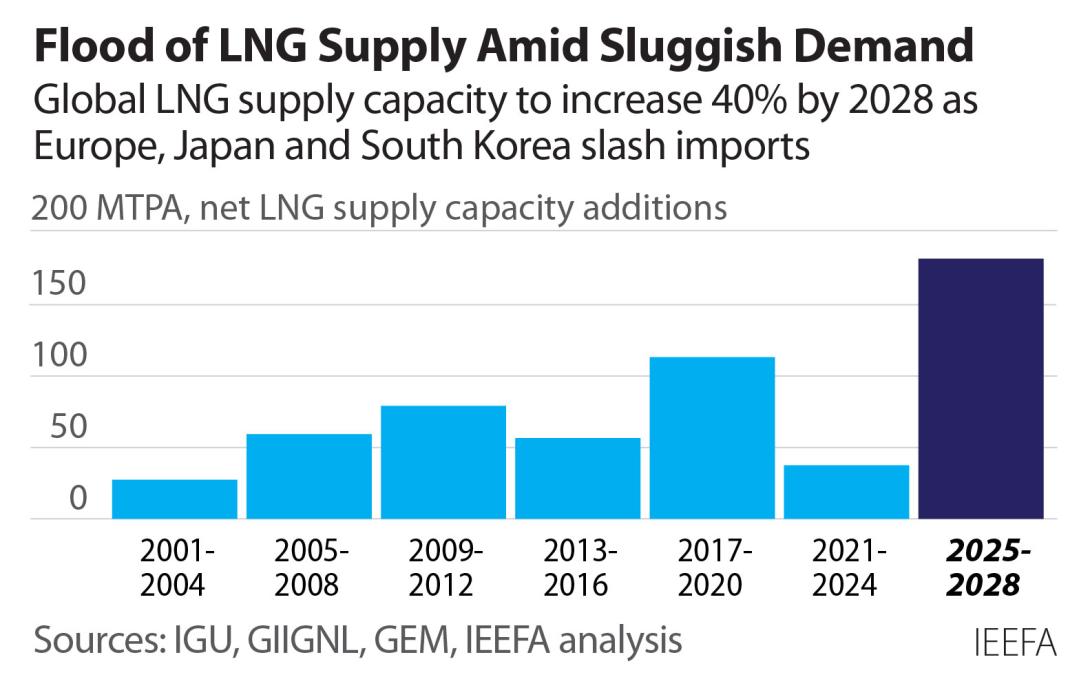
The LNG glut has been delayed, not cancelled
16 September 2026 / Report
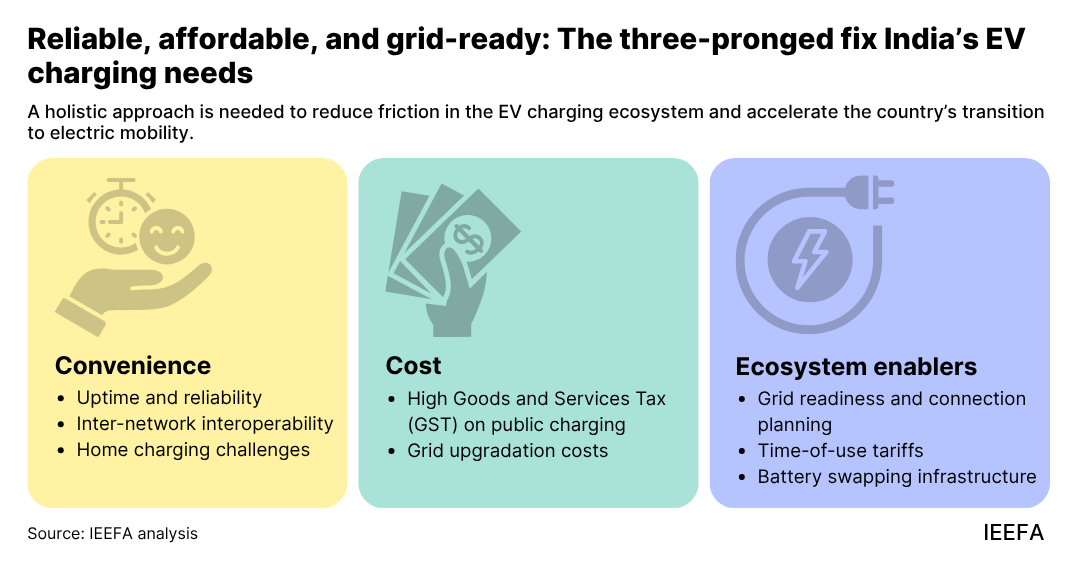
Improving the EV charging experience in India: Beyond charger deployment
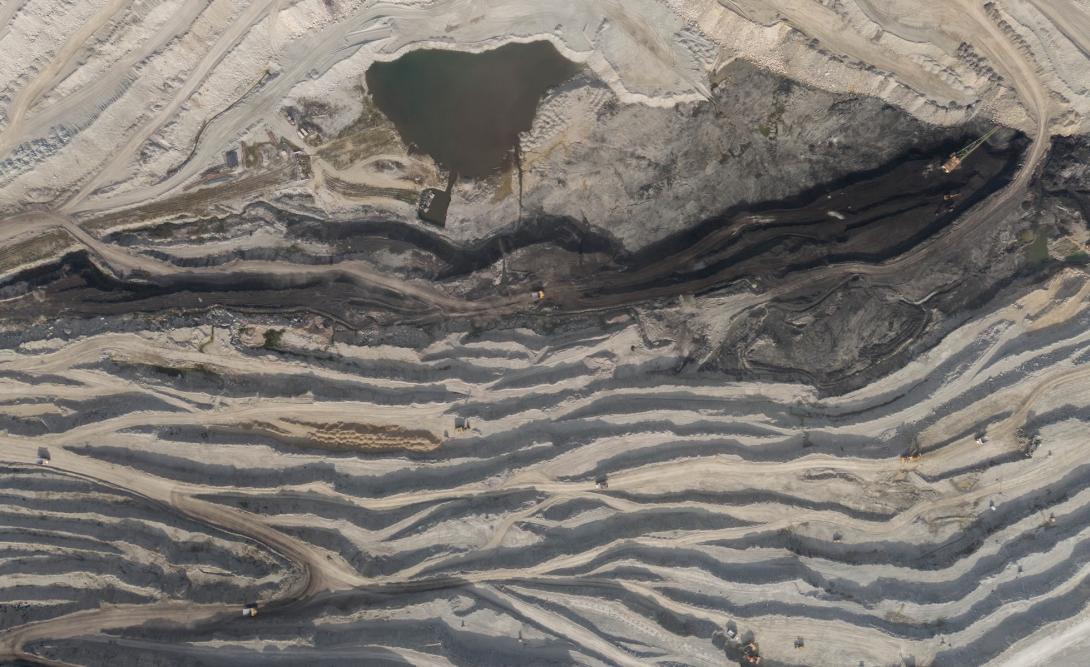
11 September 2026 / Testimony | Submission
Submission: NSW IPC – HVO North and South Open Cut Coal Continuation Projects - supplementary submission

11 September 2026 / Slides
Closing the petrochemical loophole: Multilateral development banks and the fossil economy

10 September 2026 / Insights
Puerto Rico government continues to plan for major overbuilding of grid with fossil fuel-based sources
10 September 2026 / Insights
El gobierno de Puerto Rico continúa planificando una sobreconstrucción significativa de la red eléctrica con fuentes basadas en combustibles fósiles
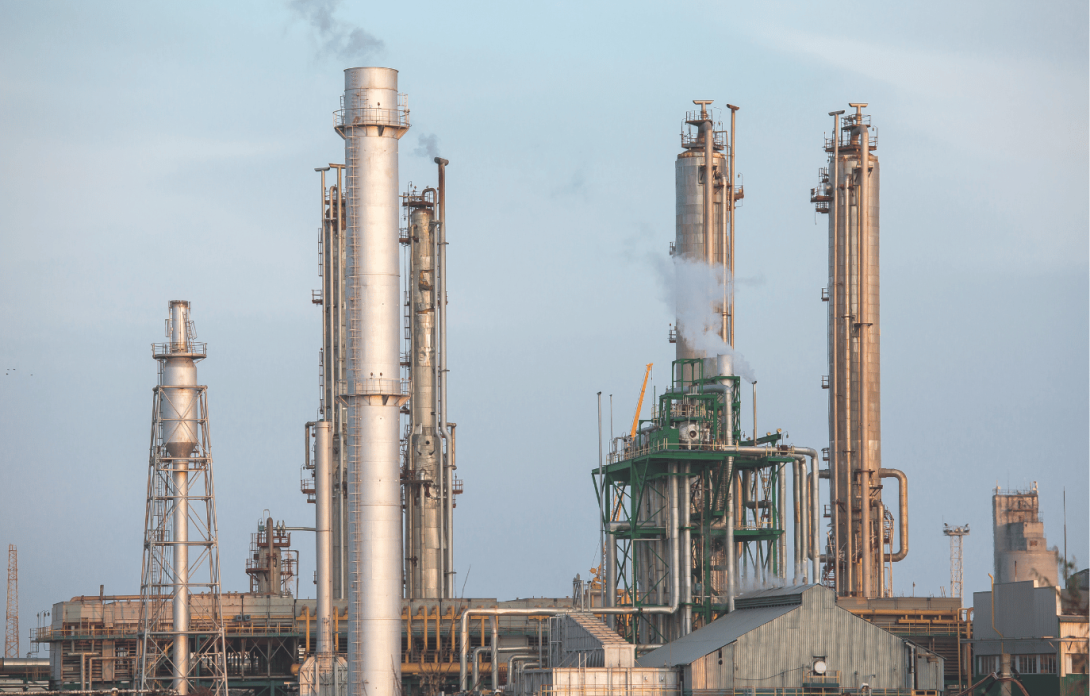
9 September 2026 / Insights
Subsidy reduction signals headwinds for Japan’s ammonia co-firing plans
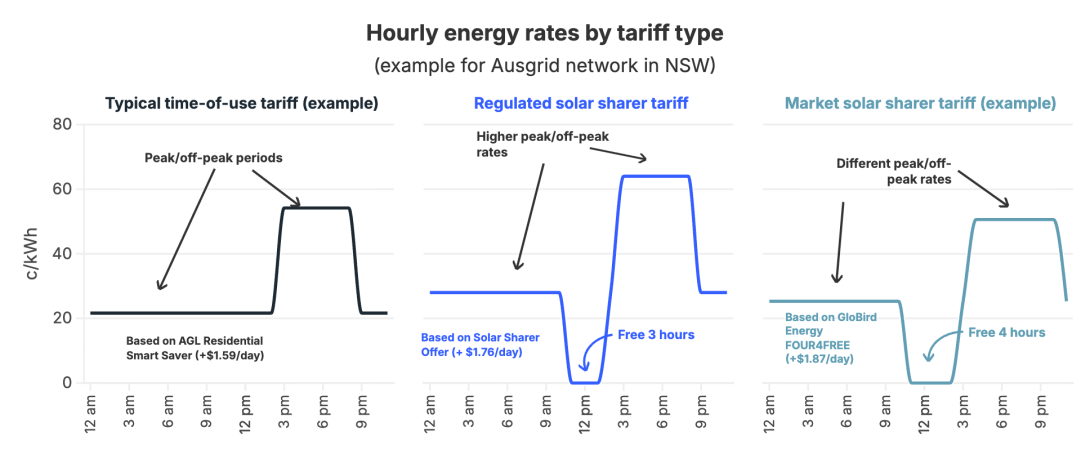
9 September 2026 / Briefing Note
Growing the benefits of solar sharer tariffs







IEEFA expert perspectives
See our experts in the media
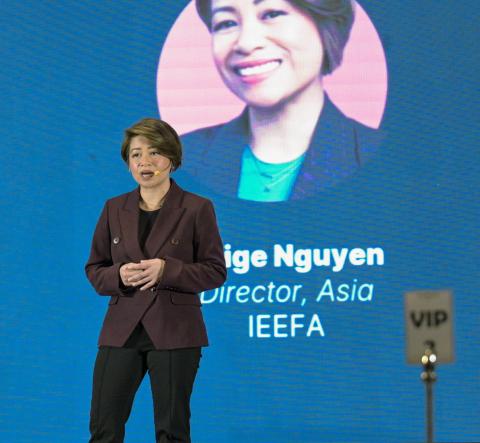
"Indonesia has the potential to build an energy system that is cleaner, more secure, and more competitive. The task now is to turn that potential into investment that creates jobs, supports economic growth, and strengthens Indonesia’s long-term prosperity."
Paige Nguyen - Director, Asia
"What we need across all of Europe is grid investment. [By] grid investment, I mean modernization and the expansion of the grid. For me, the winner is the European grid."
Ana Maria Jaller-Makarewicz - Lead Energy Analyst, Europe
in CNBC
"Businesses and community organizations have many demands on their capital and attention, and solar projects often lose out to other core priorities. Incentives that lower the upfront cost help solar projects compete more effectively against those other spending priorities."
Johanna Bowyer - Lead Analyst, Australian Electricity
in ABC News

“Is ethanol really the best option we have to decarbonise transport? Perhaps it can play a role ... but there are better options. Electrification is far more energy efficient and helps plug in renewable energy for decarbonising transport as the grid itself gets cleaner.”
Charith Konda - Lead Energy Specialist, South Asia
in Frontline Magazine