EU may need to cut winter gas demand by 7% with gas storage at a record seasonal low
Key Findings
EU winter gas demand rebounded in the last two winters while net imports stayed flat, leaving storage to fill the gap. EU gas storage withdrawals in the winter of 2024–25 were 50% higher than in the preceding two winters.
The EU is heading into winter with gas storage about 72.4% full, the lowest for this time of year since records began in 2011. Combined with the EU’s full ban on imports of Russian liquefied natural gas from January 2027, this means the bloc may need to reduce its 2026–27 winter gas demand by 7% year on year.
IEEFA estimates that covering the storage shortfall with extra gas imports instead of reducing demand would cost €3 billion. Because the US–Iran war has pushed up gas prices, this is 12% more than the same volume would have cost in 2025. Consequently, an increased reliance on gas storage has become a major financial liability for Europe.
Spending money to expand gas storage risks locking in fossil fuel infrastructure for decades. Funding heat pumps, energy efficiency, industrial electrification and renewables instead would cut the winter gas demand peaks that strain storage in the first place, offering a long-term solution that shields against future crises.
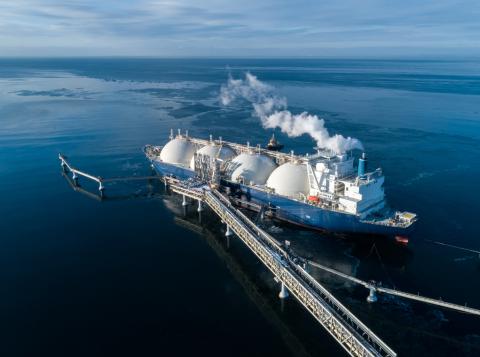
Geopolitics, high gas prices and the risk of cold weather are compounding the strain on Europe's energy sector. Low levels of gas in storage leave the EU with less of a buffer against liquefied natural gas (LNG) cargoes being diverted to Asia, further disruption in the Middle East or the loss of Russian LNG from January 2027.
The EU is heading into winter with gas storage about 72.4% full as of 3 October, the lowest level for this time of year since records began in 2011. A cold snap like the one in January 2026 would drain gas storage reserves faster. IEEFA projects that storage could provide 7.3 billion cubic metres (bcm) less gas to the market this winter (November to March) than last. Together with the EU’s full ban on imports of Russian LNG from January 2027, this shortfall could require the bloc to cut winter gas demand by 7%, or 14bcm, compared with last winter.
This does not mean EU gas storage will run dry this winter. But as storage levels fall, gas can be withdrawn less quickly (due to reduced pressure), making it harder to meet demand during a late-winter cold snap. Ending winter with low stocks would also mean a bigger refill next summer, pushing up prices again.
IEEFA estimates that covering the storage shortfall with extra gas imports would cost the EU €3 billion. Because the US–Iran war has driven up gas prices, this is 12% more than the same volume would have cost in 2025. Consequently, an increased reliance on gas storage has become a major financial liability for Europe.
Filling gas storage depends on summer gas being cheaper than winter gas. Traders buy in summer, store the gas and sell it in winter. The price difference (the summer-winter spread) is their profit. Because the price gap has narrowed, the potential profit has become too small to cover the physical cost of renting and maintaining the storage facilities. Essentially, a shrinking spread means the financial reward for storing gas is disappearing, making traders hesitant to fill storage.
The spread turned negative for part of this year’s refill season as summer gas contracts traded higher than winter contracts. Therefore, buying gas to store has become a financial risk rather than a profitable strategy. The result is slower, later injections.
Gas demand creeps up as imports stay flat
Before 2022, EU gas storage was a seasonal buffer: fill in summer, withdraw in winter, with flexible (mainly Russian) pipeline imports absorbing demand swings. Now Europe depends on storage to get through winter.
The EU's reliance on gas storage to meet winter demand has increased markedly in the last two winters. Storage’s share of EU winter gas consumption rose from 25% in 2021–22 to 30% in 2025–26, with a five-year high of 33% in 2024–25, according to Eurostat. In absolute terms, storage withdrawals in 2024–25 were roughly 50% higher than in the preceding two winters.
Two trends explain this. First, demand is rebounding. Winter gas consumption fell sharply from roughly 222bcm in 2021–22 to around 185bcm in 2022–23, as high prices and emergency gas-saving measures cut demand. Consumption was broadly flat over 2023–24 before rising to approximately 200bcm in the last two winters, suggesting the era of easy demand cuts may be over.
Second, imports have stayed flat. The EU's gas imports in 2025 were roughly the same as in 2023.
With demand rising and imports flat, Europe is relying more heavily on storage to fill the gap. That leaves the market vulnerable to price spikes during winters with higher-than-expected storage withdrawals.
Meanwhile, summer storage injections have been weakening in recent years, declining by 30% between 2022 and 2025. April–June 2026 injections fell by 16% year on year, partly explaining why storage is now entering winter only 72.4% full.
Reliance on gas storage varies widely among EU countries
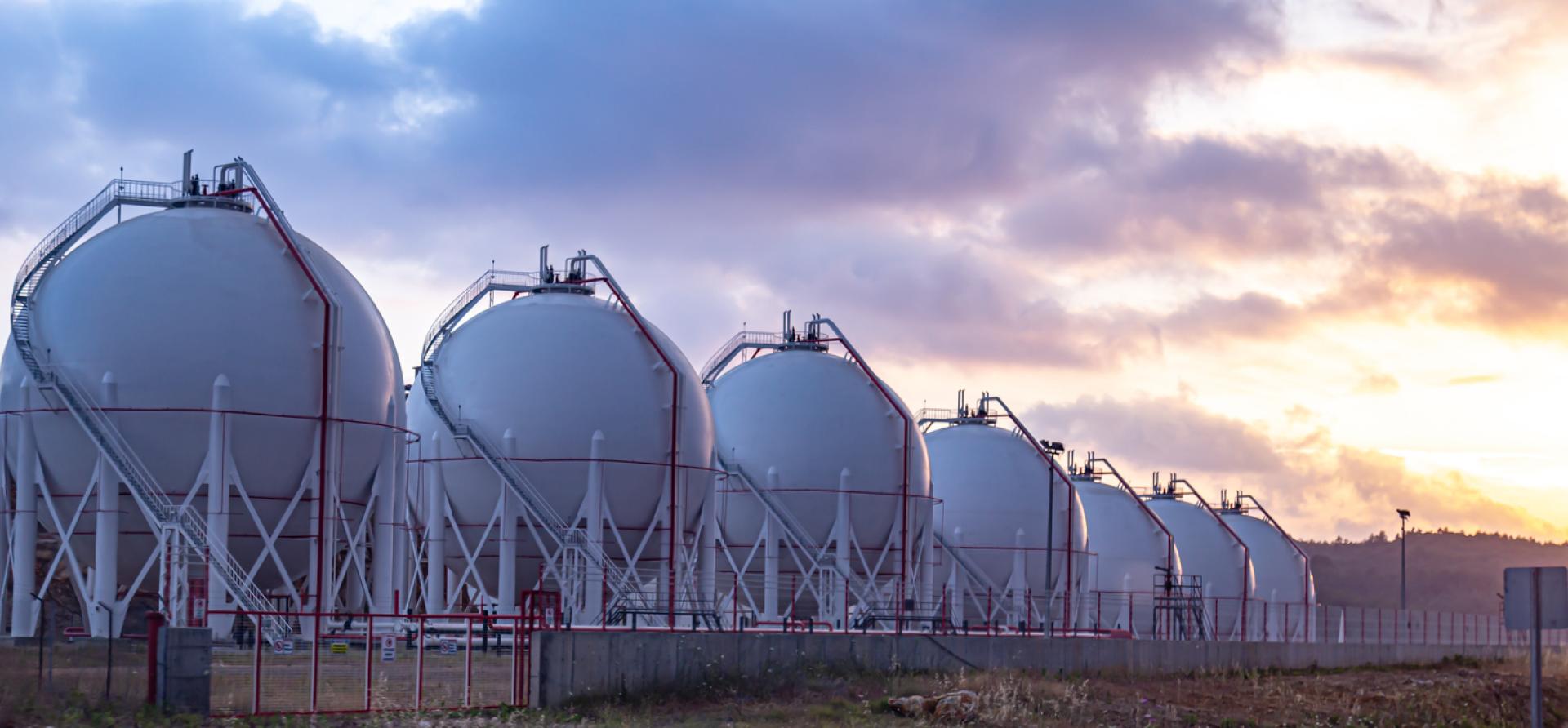
The EU’s technical gas storage capacity is around 108bcm. Germany holds the largest share at roughly 22% of total EU capacity, followed by Italy (18%), the Netherlands (13%), France (11%), Austria (9%), and Hungary (6%). Together, these six countries account for approximately 80% of total EU gas storage capacity.
Cyprus, Estonia, Finland, Greece, Ireland, Lithuania, Luxembourg, Malta and Slovenia do not have gas storage facilities. However, under the EU’s gas storage regulation, they must make solidarity arrangements with other Member States to secure their gas reserves.
With high prices deterring companies from storing gas, some governments have stepped in. The Netherlands approved a subsidy of up to €993 million in June 2026 for state-owned energy company EBN Capital to boost gas reserves. In late September, the German government instructed state-owned gas importer SEFE to procure and store 8 terawatt-hours of gas, about 3% of the country’s storage capacity, by 15 December. Finally, the Spanish government raised LNG reserves at its import terminals by more than a quarter for this winter, to help safeguard supply.
Storage strain shows Europe’s gas dependency is a growing liability
Following Russia’s full-scale invasion of Ukraine in 2022, the EU required Member States to refill gas storage to 90% by 1 November in a typical year. As the US–Iran war caused gas prices to skyrocket, the European Commission called on countries to lower their targets to 80% to avoid panic buying.
Policymakers and investors should treat Europe’s increased reliance on storage not as a call for more gas infrastructure, but as a financial signal that its gas dependency is a growing liability.
Reducing gas demand rather than subsidising storage is the solution Europe needs. EU Energy Commissioner Dan Jørgensen urged national governments in September to keep cutting energy gas consumption amid "exceptionally low" storage levels.
Heat pump installations across Europe have helped speed up the shift away from oil and gas and saved billions of euros in LNG imports. In Germany alone, IEEFA concluded that the installation of almost 1.1 million residential heat pumps from 2022 to 2025 saved the country €1.3 billion on LNG imports between 2023 and 2025. Residential heat pump sales rose by 11% year on year across 12 European countries in the first six months of 2026, in part due to some countries lowering electricity taxes, according to the European Heat Pump Association.
Spending on expanding gas storage risks locking in fossil fuel infrastructure for decades. Funding heat pumps, building efficiency, industrial electrification and renewables instead would cut the winter gas demand peaks that strain storage in the first place, offering a long-term solution that shields against future crises.

Related Content