Recurring energy shocks: From temporary pain to permanent costs
Key Findings
India’s crude oil import bill rose 48% in April–August 2026 for similar volumes as 2025. Recurring fossil fuel price shocks impose long-term fiscal costs on India and add inflationary pressures.
Liquefied natural gas (LNG) import bills rose 24% on 5.3% higher volumes, and the fertiliser subsidy is now expected to double from the budgeted INR1.7 trillion.
Supply shortfalls push industries towards lower-grade fuels, but the switch back has historically been slow. India’s LNG imports fell 17% in 2022 but rebounded only 9% in 2023.
Transition to renewable energy remains India’s best hedge against these recurring energy shocks. Accelerating the shift to renewable energy and electrified end-uses is likely to cost less than absorbing the fiscal, energy security, and environmental costs of repeated shocks.
The ongoing geopolitical turmoil this year has been driving price and supply volatility in fossil fuels. In the last five years, events such as the Covid-19 pandemic and the Russia-Ukraine war have caused similar volatility. For India, which imports nearly 90% of its crude oil and about 50% its natural gas, the results of a prolonged period of elevated prices and supply uncertainty go well beyond the short term. The fallout of these recurring energy shocks result in long-term fiscal and economic vulnerabilities.
High oil price, rising fiscal strain
The average Indian crude basket swung from USD63/barrel(bbl) in January 2026 to USD113/bbl with the onset of the West Asia crisis. It briefly eased to USD82/bbl in July before reaching USD117/bbl by 21 September. The most immediate consequence is rising import bills. The crude import bill for April–August 2026 jumped 48% compared to the same period in 2025 for almost similar volumes.
This also widens the current account deficit (CAD). For financial year (FY) 2026–27, CAD is expected to increase to 1.5% of gross domestic product from 0.6% in FY2025–26. This is apart from the rising subsidies. The government is likely to bear under-recoveries of INR8 per litre on petrol and INR9 per litre on diesel reported by the oil marketing companies’ (OMCs) due to the global crude price increases and maintaining domestic prices. This is after the OMCs received INR1.23 trillion to maintain prices in the first 78 days of the ongoing crisis.
Despite this support, consumer prices still increased. In Delhi, petrol prices rose from INR94.77 per litre in April 2026 to INR102.12 per litre in September 2026. High fuel prices have a domino effect as they increase the cost of manufacturing, freight, and food production, resulting in increased consumer prices and macro-economic pressures. Notably, India’s retail inflation was at a 20-month high of 4.82% in August 2026, driven by energy prices.
The cascading effects of higher natural gas prices
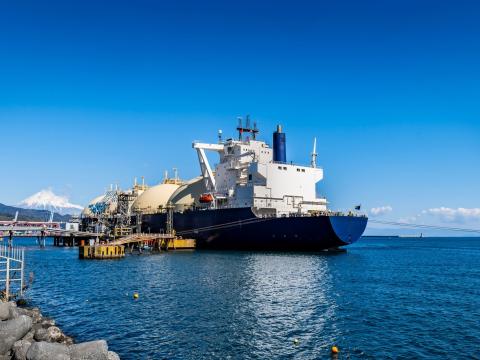
The story goes beyond crude oil. Liquified Natural Gas (LNG) import volumes increased by 5.3% in April–July 2026 against 2025 even as the import bill rose by 24%, meaning India is paying more for gas. For gas-dependent sectors like fertilisers and city gas distribution, prolonged elevated prices squeeze margins and raise consumer costs further.
Amidst the current crisis, India has bought some of its most expensive LNG cargoes in the last four years. The high prices resulted in 60% increase in natural gas feedstock prices for the fertiliser sector in April 2026, adding directly to the government’s subsidy burden. Fertiliser subsidy is now expected to double from the budgeted INR1.7 trillion. Similarly, the increase in compressed natural gas and piped natural gas prices as a consequence of high global prices and supply constraints have a cascading effect of increasing transport prices and household expenditure, driving up the cost of living.
All this results in high fiscal strain, which does not ease when prices reduce.
Beyond pricing pressures, energy shocks also disrupt physical supplies due to supply diversion, limitations, and arbitrage, amongst other factors. For example, when Saudi Arabia’s East-West pipeline was attacked, it halted Aramco supplies to Indian refiners, underscoring how fragile India’s supply lines remain.
Supply constraints push India towards higher-emitting fuels
Meanwhile, supply constraints push industries and consumers toward lower-grade fuels and risk turning the clock back on the progress in energy transition. An example of this is the reintroduction of kerosene in India’s Public Distribution System in March 2026. Till then, kerosene usage in India had dropped since the elimination of subsidy on the fuel in 2020.
Similarly, an Institute for Energy Economics and Financial Analysis (IEEFA) study from 2024 found that gas-based industries switched to fuels such as furnace oil (FO), low-sulphur heavy stock, pet coke, and naphtha during the supply shortfall and price rise after the onset of the Russia-Ukraine war. When prices and supplies ease, the move back to gas is sluggish, not sudden. LNG imports by India, for instance, fell by 17% when the prices increased in 2022, but rebounded by only 9% when the supply eased in 2023.
Renewable energy remains India’s best hedge
Each recurring energy shock reinforces the same lesson, which is that dependence on imported fossil fuels is a compounding economic vulnerability for the country. The fiscal cost of absorbing price spikes does not disappear when crude eases. Rather, it takes away fiscal space from developmental goals. Additionally, the industries that switch to lower-grade fossil fuels do not switch back overnight, even when prices and supplies improve, locking in long-term climate impacts.
Increasing renewable energy is thus India’s best hedge. The country has already made significant progress in installing renewable energy assets and now needs strategic interventions to increase renewables’ share in the generation mix. The purchase of electric vehicles and induction cooktops went up soon after the onset of the latest oil and gas supply disruption. If this preference for electric mobility and cooking is sustained, it can help increase electrification of end-uses in the country.
The recurring energy shocks show that the costs of import dependence do not end when prices ease. Subsidy burdens outlast price spikes, industries that switch to lower-grade fuels are slow to return to gas, and repeated disruptions show how exposed India’s supply lines remain. For India, accelerating the shift to renewable energy and electrified end-uses is likely to cost less than absorbing the fiscal, energy security, and environmental costs of repeated shocks.
This article was first published in Times Now Digital

Related Content