Key Findings
Electrification will be a major theme at COP31, and the steel industry needs to consider all available electrification opportunities to reduce emissions while strengthening long-term cost-effectiveness, supply-chain resilience and energy security.
While much of the focus has been on decarbonising primary steelmaking, significant opportunities exist in secondary steelmaking and the electrification of heat across the value chain, which could further reduce sector emissions.
Flexibility is a key advantage of electrification technologies, allowing steelmakers to reduce energy consumption during peak periods, and shift production towards periods of low-cost, low-emissions electricity.
Hydrogen will be essential for iron ore reduction, but it may not be the preferred alternative for heat generation, where its efficiency is likely to be lower than direct electrification.
Steel production is one of the most energy-intensive industrial processes, and remains heavily reliant on fossil fuels. Energy use in the sector is primarily driven by two requirements: the chemical energy needed to reduce iron ore into iron, and the high-temperature heat required across the steelmaking value chain. Electrification can address both, and should be prioritised as a key pathway to reduce emissions, fossil fuel dependence and exposure to energy supply risks.
As the host of COP31, Türkiye has proposed a “35% by 2035” target to increase the share of electricity in final energy consumption from about 20% today. Greater electrification across industry will be critical to achieving this ambition, particularly in sectors such as steel where fossil fuels remain deeply embedded in production processes.
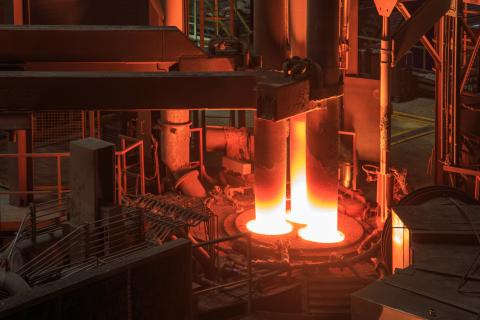
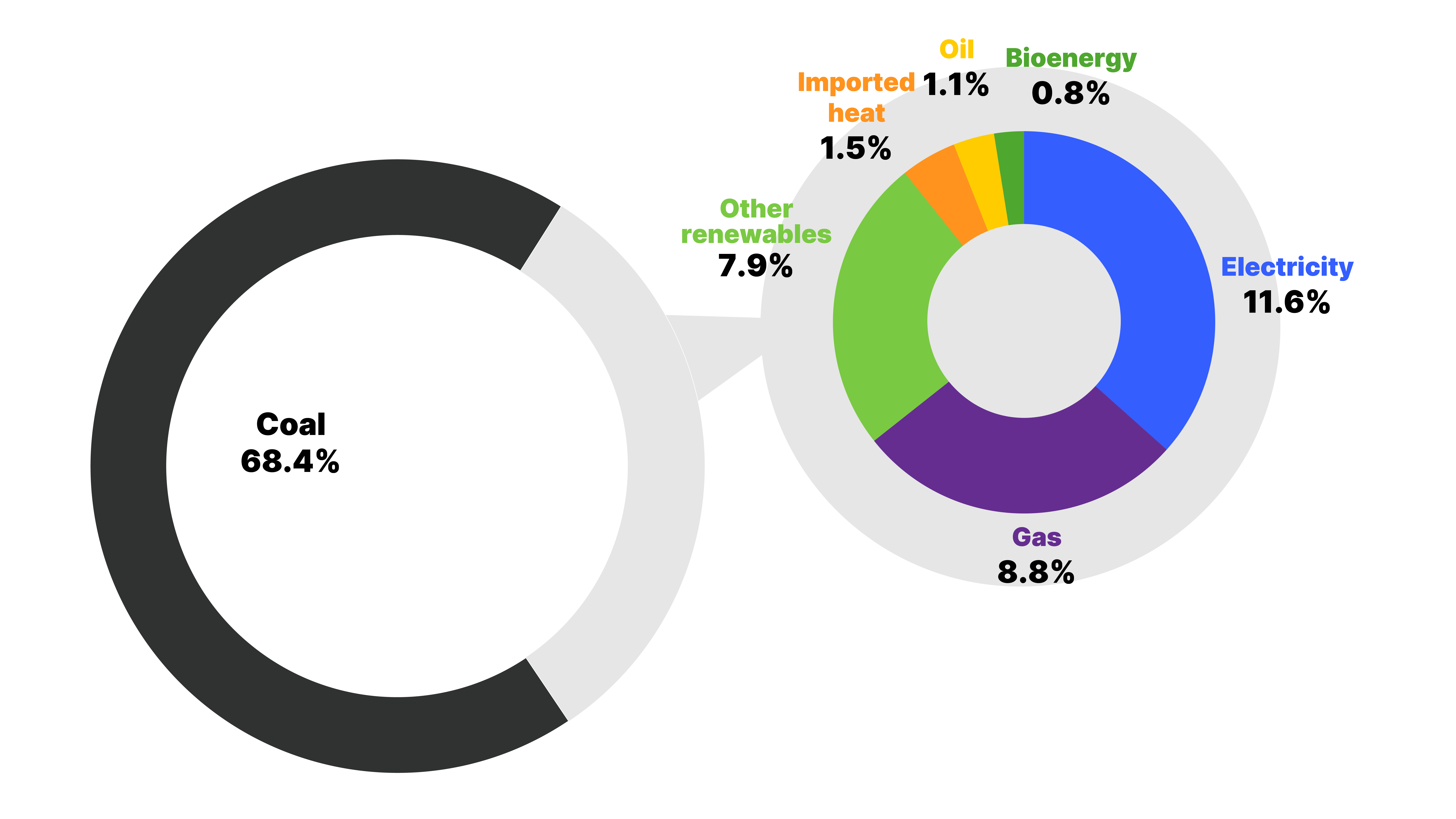
Electricity accounts for less than 12% of the steel sector’s total energy consumption, highlighting the significant potential for further electrification. In secondary steelmaking, this transition is already well established, with electric arc furnaces using electricity to melt scrap. Further opportunities exist across the downstream steel value chain, particularly through the electrification of process heat supplied by gas and other fossil fuels.
Sources of energy used in global steelmaking
Primary steelmaking presents a more complex challenge. Hydrogen can enable indirect electrification by replacing fossil fuels as a reducing agent in direct reduced iron production, with hydrogen produced using renewable electricity. Hydrogen can also be used to generate process heat when burned, but its relatively low efficiency and high cost compared with direct use of electricity make it less attractive for heating applications. Hydrogen is therefore likely to be most valuable as a reducing agent rather than as a fuel.
Further technology development could eventually allow even greater levels of direct electrification in ironmaking. Electrochemical ironmaking technologies are being developed to use electricity to remove oxygen directly from iron ore, potentially eliminating the need for carbon- or hydrogen-based reductants altogether. However, these technologies remain at an early stage of development, and will require further technological progress, demonstration and commercialisation before they can be deployed at scale.
Unlike other industrial sectors, where highly efficient and relatively low-investment technologies such as industrial heat pumps can be deployed at scale for low-temperature heat, steelmaking presents a particular challenge for electrification because of its reliance on very high-temperature processes. Almost 70% of the sector’s total energy consumption is used to provide process heat at temperatures above 1,000°C. While technologies capable of providing high-temperature electric heat are already available or in development, further investment, demonstration and deployment will be needed before they become mainstream across the steel sector.
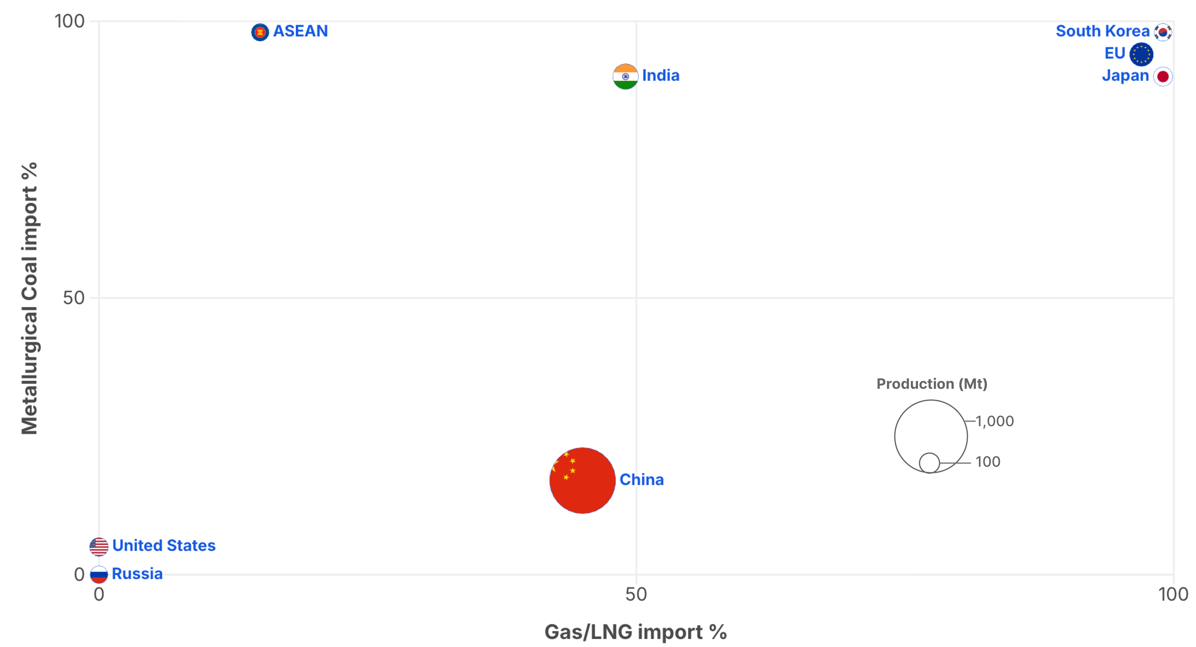
The case for electrification extends beyond emissions reduction and energy efficiency. Recent global conflicts and disruptions to major fossil fuel trading routes have highlighted the energy security risks associated with dependence on imported coal, gas and other fossil fuels. Greater electrification, particularly when supported by domestic renewable electricity, can reduce steelmakers’ exposure to global fossil fuel markets and supply disruptions while strengthening the resilience of their energy supply.
Policy support will be essential to accelerate this transition. Increasing scrap use and expanding secondary steelmaking are likely to drive some electrification naturally. However, indirect electrification through green hydrogen and, particularly, the electrification of high-temperature heat in the downstream value chain will require targeted policy support, infrastructure investment and market incentives to overcome higher upfront costs and technology risks.
Fossil fuel dependence across major steelmaking regions and countries
The steel sector faces higher upfront investment requirements, and often lacks the policy support and incentives available to other sectors. The International Energy Agency forecast the annual investment in electrification to increase from about USD320 billion today to about USD1 trillion in 2035, yet all industrial sectors are expected to account for less than 3% of the total investment , with much larger shares going to transport and construction.
A further challenge is ensuring uninterrupted access to clean electricity. The rapid development of battery storage is improving the ability of electricity systems to provide reliable low-emissions power, but greater flexibility can also play an important role. New electric steelmaking technologies can provide opportunities to adjust electricity consumption in response to system conditions, allowing plants to reduce or shift demand during periods of high electricity prices or peak system demand. This flexibility can improve the economics of electrification while helping integrate higher shares of variable renewable electricity.
Electrification should therefore be viewed not simply as a decarbonisation pathway for steel, but as an opportunity to improve energy efficiency, reduce fossil fuel dependence, strengthen energy security, and increase the flexibility and resilience of steel production.

Related Content