Key Findings
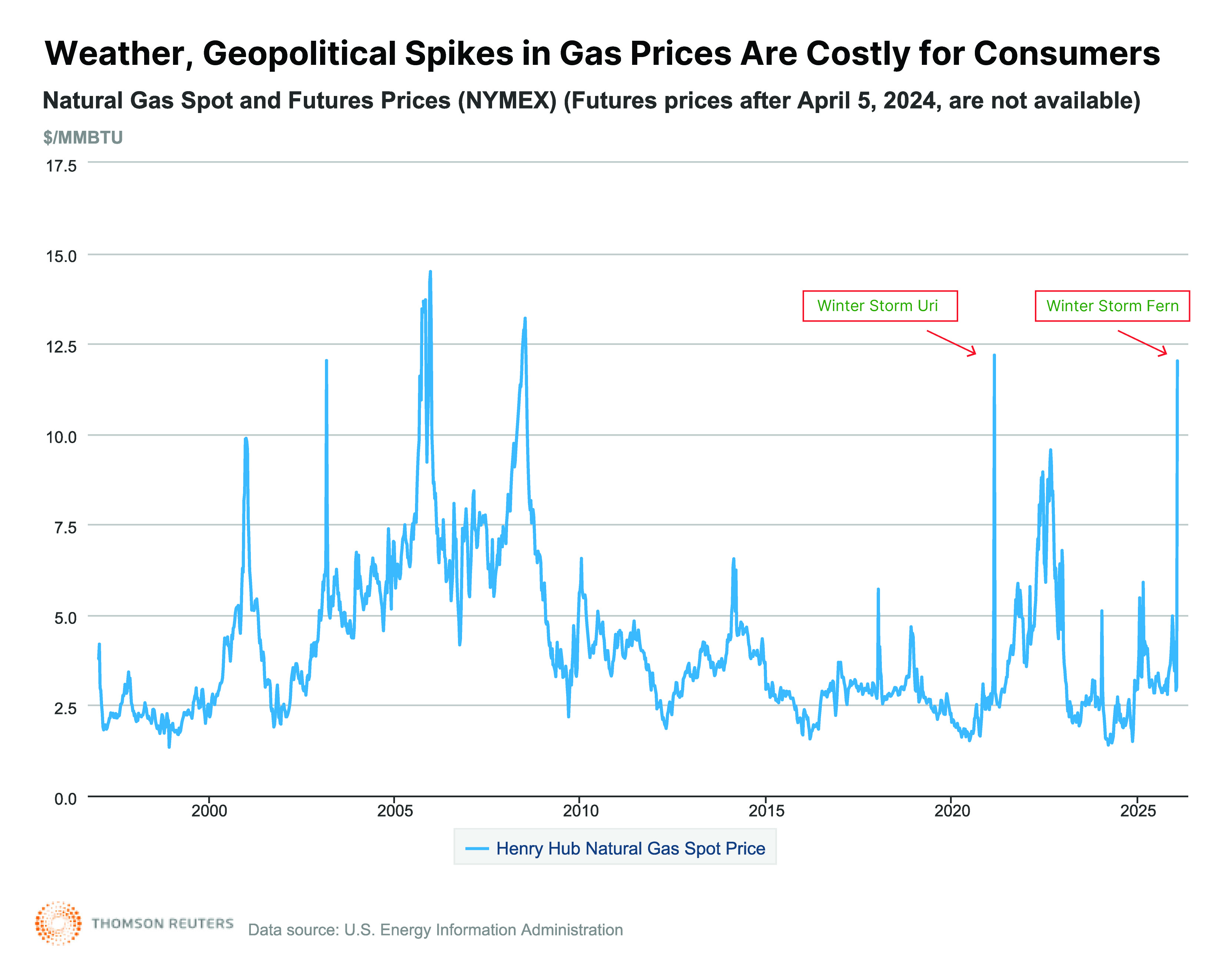
Consumers face significant risks from spikes in natural gas prices caused by weather and geopolitical events; these risks rise in relation to the amount of new gas-fired capacity added to the grid.
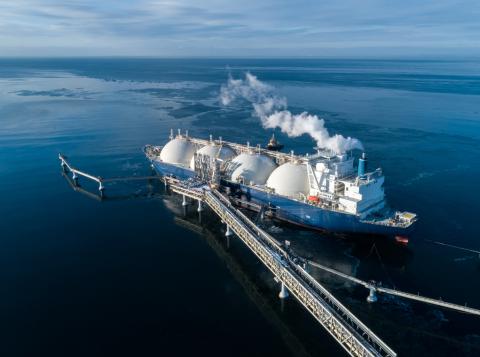
Rising LNG exports will lead to additional price volatility in the U.S. and also could lead to persistent and long-term increases in natural gas costs, a double whammy for consumers.
The price of new combined-cycle gas plants is roughly triple the cost of projects built in the early 2020s and orders placed now likely will not be fulfilled until 2030, or later.
The costs of wind and solar, paired with dispatchable battery storage, are not tracking the rapid climb of gas prices; hardware is readily available; and they have no fuel costs.
Executive Summary
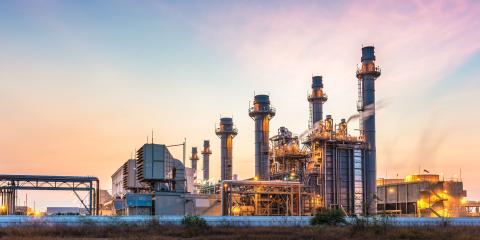
The stampede to build new gas-fired power generation is real; one recent U.S. estimate showed that 133,000 megawatts (MW) of new capacity is on the drawing board. But those planned projects overlook several major financial risks, both for utility customers and investors.
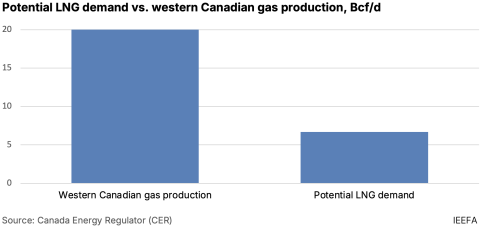
A growing issue for gas projects, and one largely overlooked in the planning process, is the impact of the fuel’s cost on the ultimate price paid by consumers for power. Utilities generally pass fuel costs directly through to consumers, which effectively eliminates the companies’ financial risk from gas price spikes. Customers are not as lucky, as was evident clearly in 2022 when Russia’s invasion of Ukraine sent gas prices soaring, pushing electricity costs from gas-fired power plants up sharply. In addition, weather-driven price spikes can result in significant unexpected costs being pushed onto U.S. consumers, as happened just this past winter. Similar weather and geopolitical spikes cannot be ruled out in the years ahead. Finally, the growth of U.S. liquefied natural gas (LNG) exports could result in more persistent and long-term increases in gas costs, and further boost price volatility. As a consequence, fuel costs for gas-fired electricity could become significantly higher compared with past years, when fracking production was surging and exports were minimal.
In addition, the cost for new gas-fired generation has jumped over the last couple years. The price of the newest combined-cycle plant proposals is now at least $2,500 per kilowatt (kW) installed, or $2.5 billion for a 1,000-megawatt (MW) unit. This is roughly triple the cost of projects built in the early 2020s and generally does not include financing costs for the plant or costs associated with building or expanding a gas pipeline to supply the generator. Those costs will inevitably be passed on to consumers, either through local utilities' regulated rates or higher power prices in competitive markets.
Finally, most of these new projects will not be ready for years, and the major turbine manufacturers have essentially sold out their combined-cycle capacity through 2030. Those lengthy construction time frames could lead to additional consumer costs due to continued supply chain tightness and competition for scarce, trained labor. And if the new projects are not connected on schedule, local utilities could be forced to buy electricity on the wholesale market. That replacement power would likely be expensive, given expected demand growth and a tightening generation market, which would push additional costs onto utility consumers.
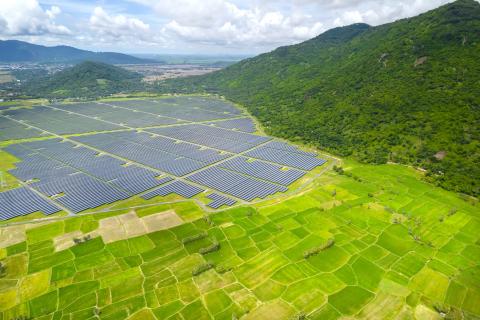
Wind and solar do not share the shortcomings of gas. Their costs are not tracking its rapid upward climb; the hardware also is readily available, so projects can be built in 18 to 36 months; and they have no fuel costs—ever. Paired with dispatchable battery storage, which continues to benefit from declining capital costs, renewables offer firm power and fixed costs on short development timelines.

Related Content