The misguided stampede to build gas power plants
Key Takeaways:
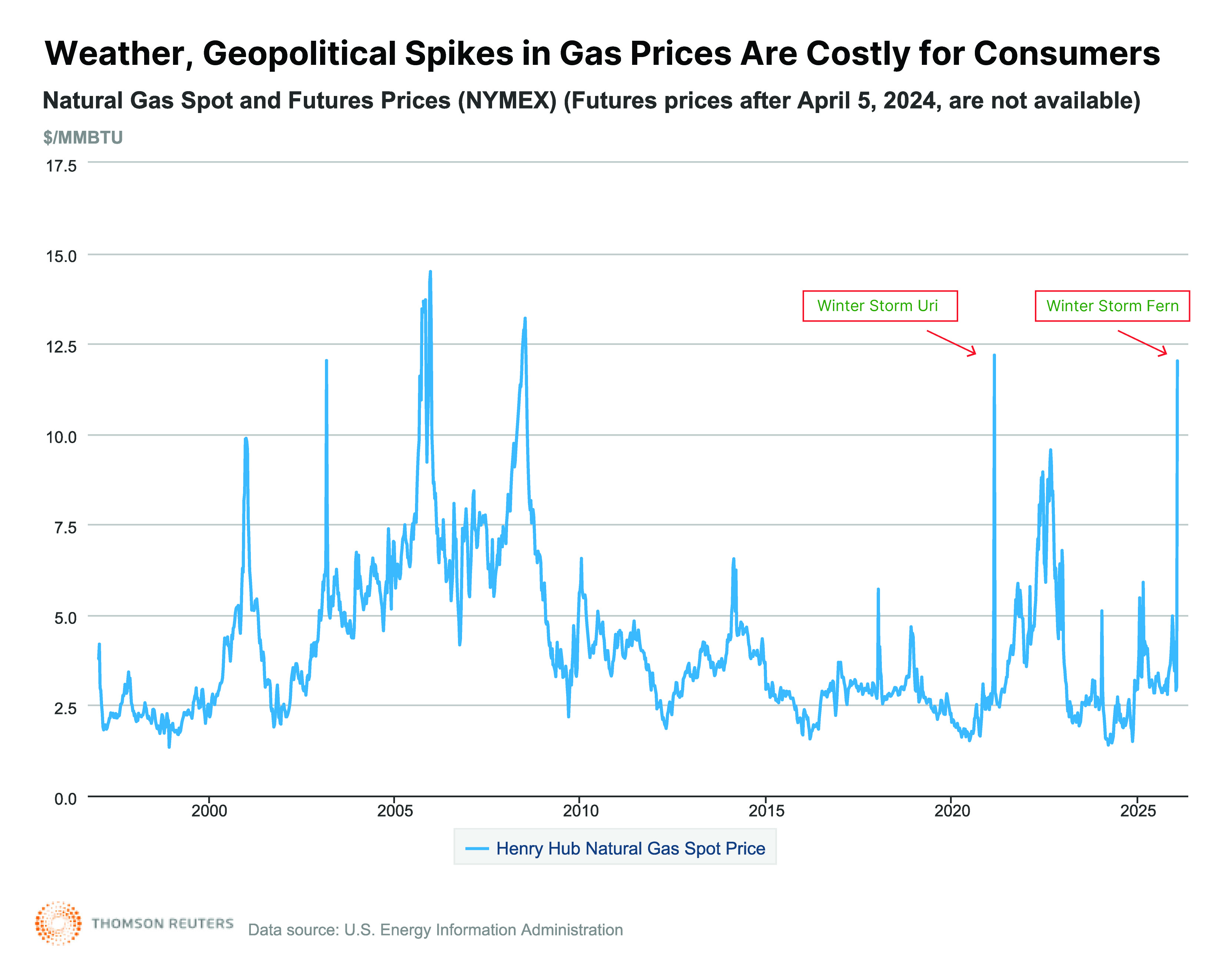
Consumers face significant risks from spikes in natural gas prices caused by weather and geopolitical events; these risks rise in relation to the amount of new gas-fired capacity added to the grid.
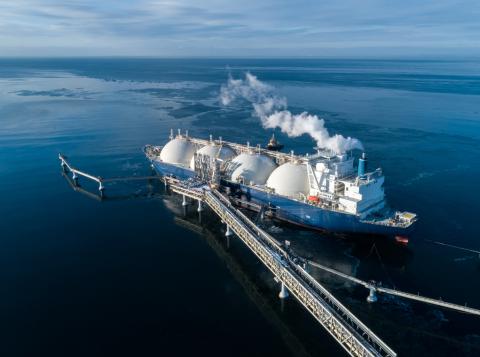
Rising LNG exports will lead to additional price volatility in the U.S. and also could lead to persistent and long-term increases in natural gas costs, a double whammy for consumers.
The price of new combined-cycle gas plants is roughly triple the cost of projects built in the early 2020s, and orders placed now likely will not be fulfilled until 2030, or later.
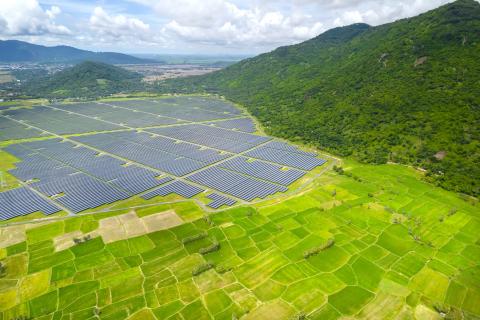
The costs of wind and solar, paired with dispatchable battery storage, are not tracking the rapid climb of gas prices; hardware is readily available; and they have no fuel costs.
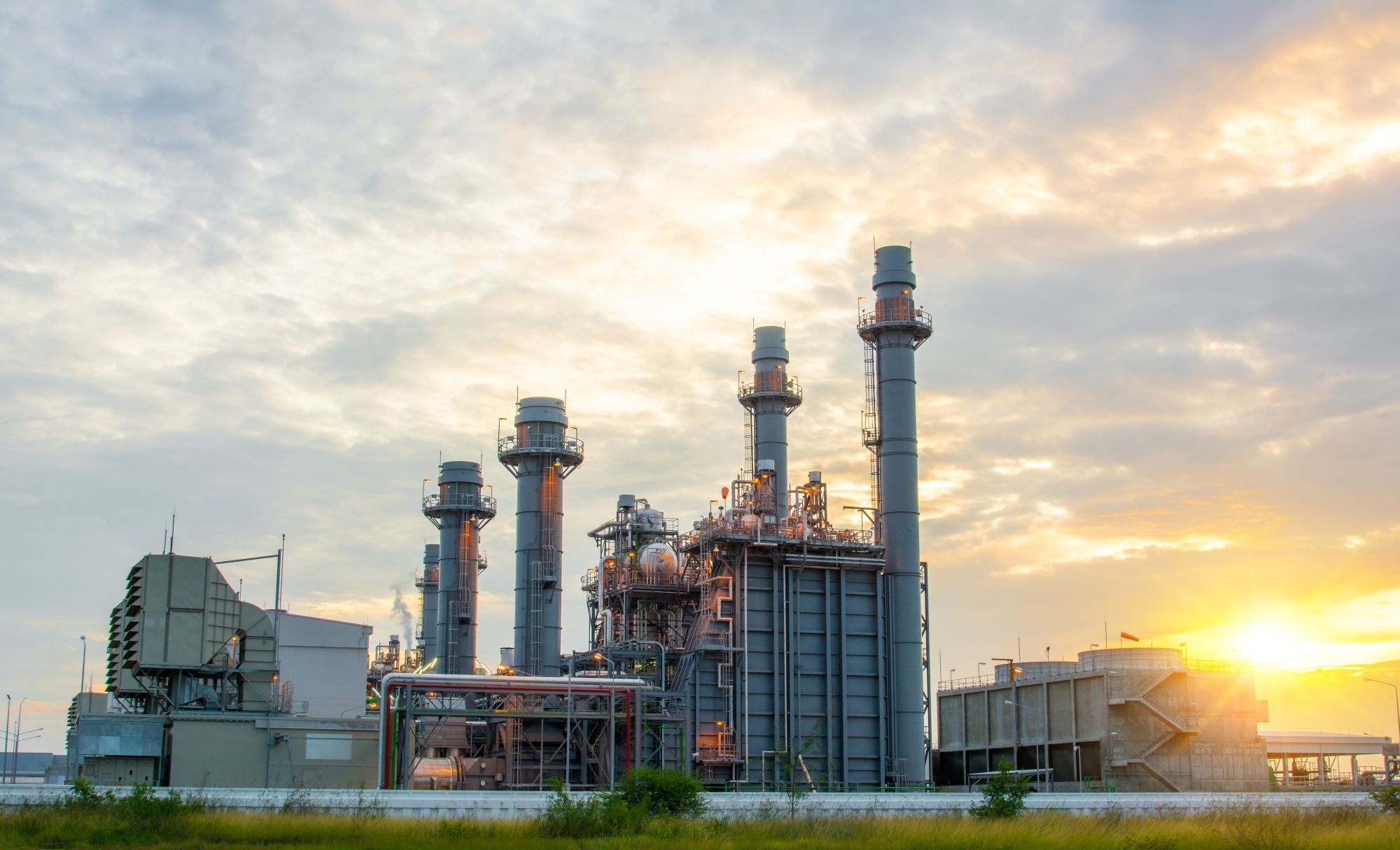
The current rush to build gas-fired power generation ignores significant financial risks, long execution timelines, and competition from less-expensive, quicker-to-build renewable and battery storage options, according to the latest Institute for Energy Economics and Financial Analysis (IEEFA) report.
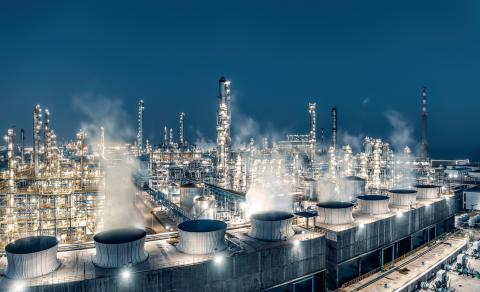
One recent U.S. estimate showed that 133,000 megawatts (MW) of new gas-fired capacity is currently being proposed, yet the planned expansions overlook how this will affect consumers. Spikes due to global events or weather can result in significant unexpected costs being pushed onto consumers. Additionally, the growth of U.S. liquefied natural gas (LNG) exports could lead to more persistent, long-term increases in gas costs and further boost price volatility.
It’s also important to note that the cost of building new gas-fired generation has jumped over the last couple of years. Those costs will inevitably be passed on to consumers, either through local utilities' regulated rates or higher power prices in competitive markets. Another consideration is that most of these new projects will not be ready for years. Lengthy construction timelines could lead to higher consumer costs due to ongoing supply chain tightness and competition for scarce, trained labor. If the new projects are not connected on schedule, local utilities also could be forced to buy electricity on the wholesale market.
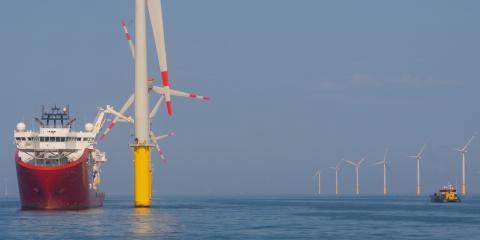
“Wind and solar do not share the shortcomings of gas. Their costs are not tracking its rapid upward climb, and the hardware is readily available,” said Dennis Wamsted, IEEFA energy analyst and author of the report. “Renewable projects can be built in 18 to 36 months, and they have no fuel costs—ever. Paired with dispatchable battery storage, which continues to benefit from declining capital costs, renewables offer firm power and fixed costs on short development timelines.”
Solar, wind, and dispatchable battery storage can be built much more quickly, at lower cost, and at a scale that matches actual demand growth rather than optimistic AI-driven projections.
Renewables and battery storage are also better for consumers, providing protection against rising, volatile fuel costs and shielding them from the high cost of new gas-fired capacity.
The stampede for gas makes no sense for consumers, investors, or utilities.