
Featured research
22 October 2026 / Report
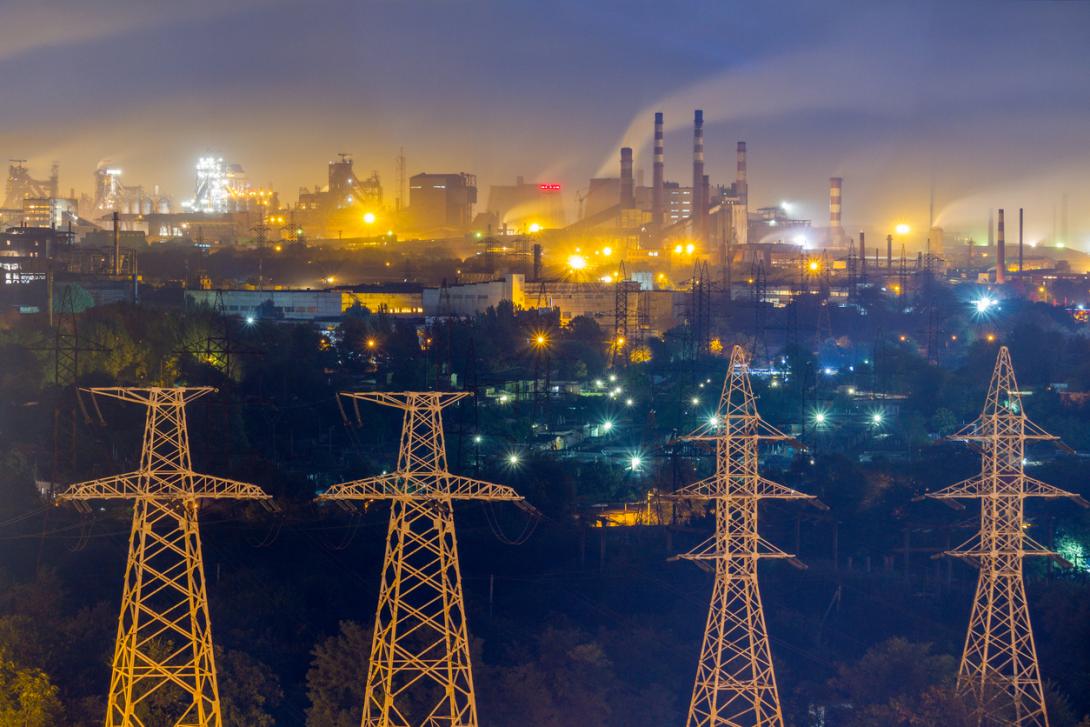
Electrification across the steel value chain
22 October 2026 / Insights
Planned Treasury rule change could hide billions in CO2 tax credit claims from oversight
15 October 2026 / Report
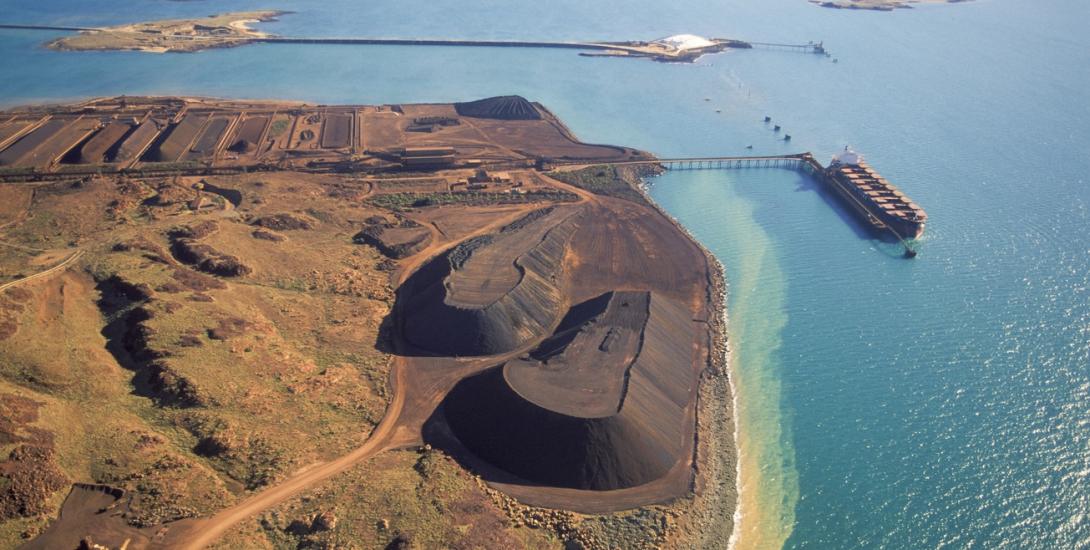
Green iron exports: Australia must look beyond China
Australia’s iron ore exports facing an outlook of declining volumes and values, fuelled by a structural decline in China’s steel demand. Green iron is therefore no longer just a promising opportunity for Australia, but an economic necessity.
Focus regions
Global Asia Australia Europe North America South AsiaWider regional coverage
Africa Latin & South America Middle EastExplore all news, resources and insights
Research Hub
19 October 2026 / Insights
Modelling Bangladesh’s energy future
14 October 2026 / Report
Vietnam's energy security depends on accelerating its clean energy transition
9 October 2026 / Insights
EU may need to cut winter gas demand by 7% with gas storage at a record seasonal low
Australian Renewable Energy Scorecard
Focus regions
Global Asia Australia Europe North America South AsiaWider regional coverage
Africa Latin & South America Middle EastExplore all news, resources and insights
Research Hub

Accelerating the transition to a diverse, sustainable and profitable energy economy
IEEFA is a global, independent think tank providing nonpartisan, evidence-based analysis of energy markets, trends, and policies.
What we do Our team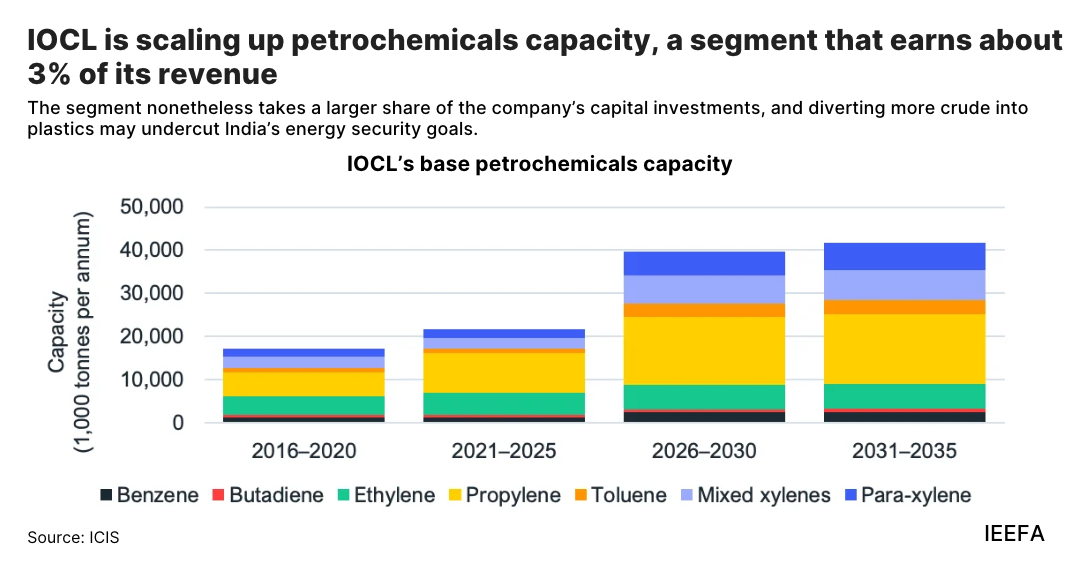
Today / Report
Indian Oil's petrochemical push: Weighing the financial, climate, and energy security risks
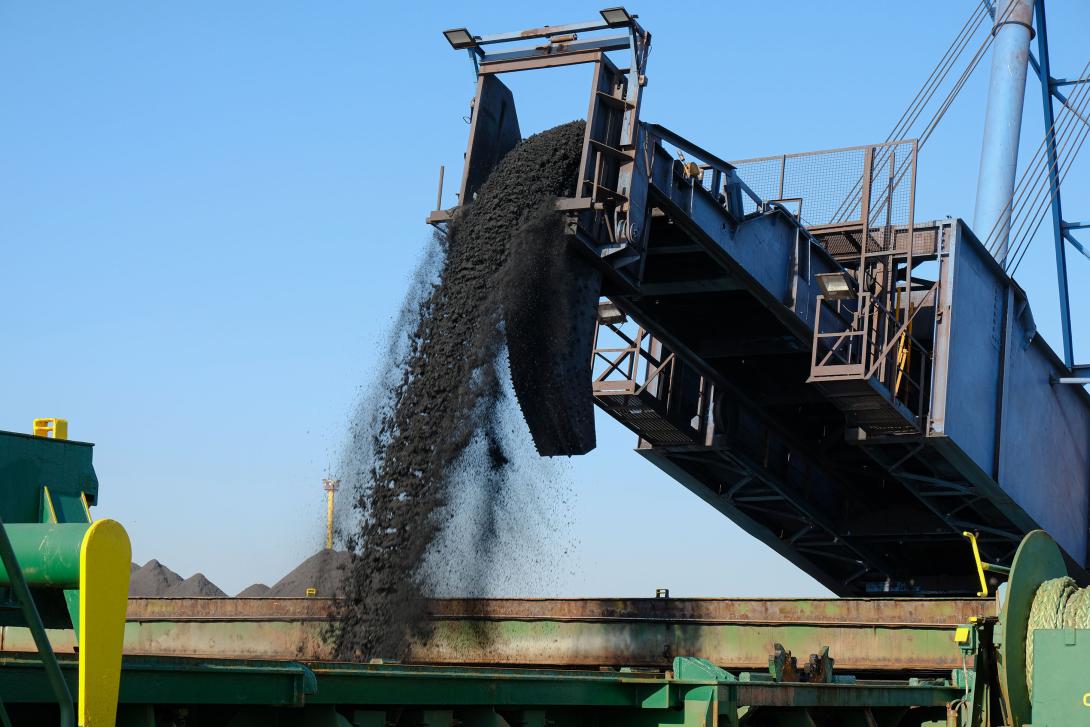
Yesterday / Insights
Australian met coal outlook not as strong as banks and investors think
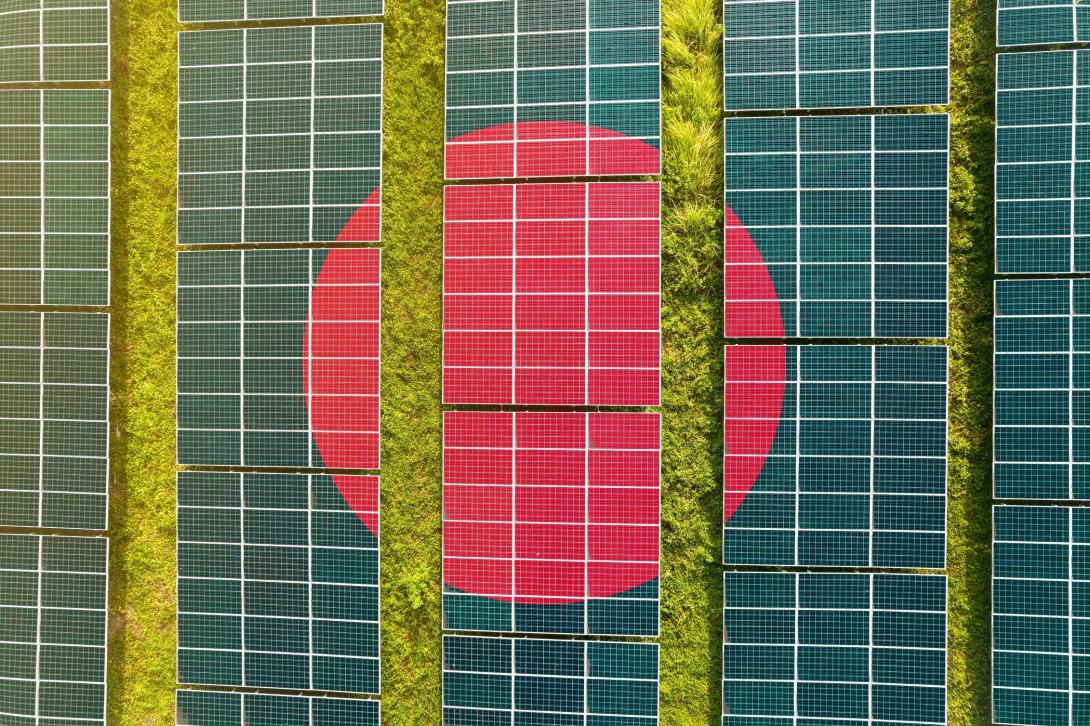
23 October 2026 / Slides
Sustainable power and energy: Driving investment in Bangladesh
22 October 2026 / Insights
Planned Treasury rule change could hide billions in CO2 tax credit claims from oversight
22 October 2026 / Report
Electrification across the steel value chain

19 October 2026 / Testimony | Submission
Submission: Select Committee on Productivity in Australia

19 October 2026 / Insights
Modelling Bangladesh’s energy future
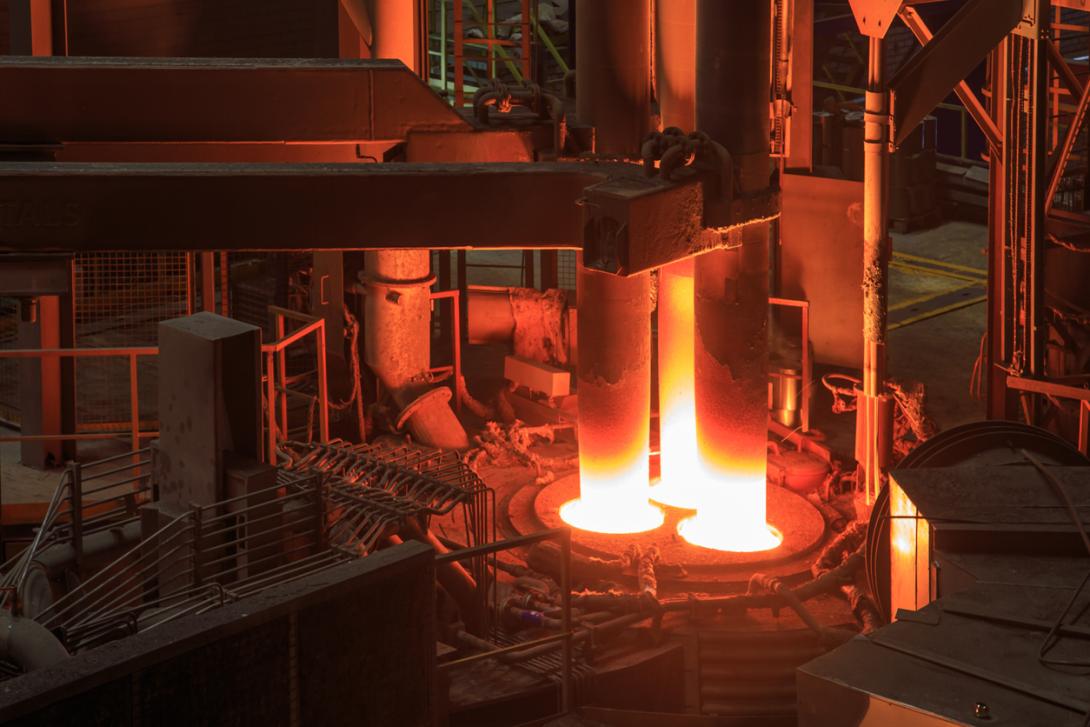
19 October 2026 / Insights
Beyond energy efficiency: How India’s secondary steel scheme can work for MSMEs
19 October 2026 / Fact Sheet
Fact Sheet: Australia is not on track to achieve its renewable target: the demand side can help
15 October 2026 / Report
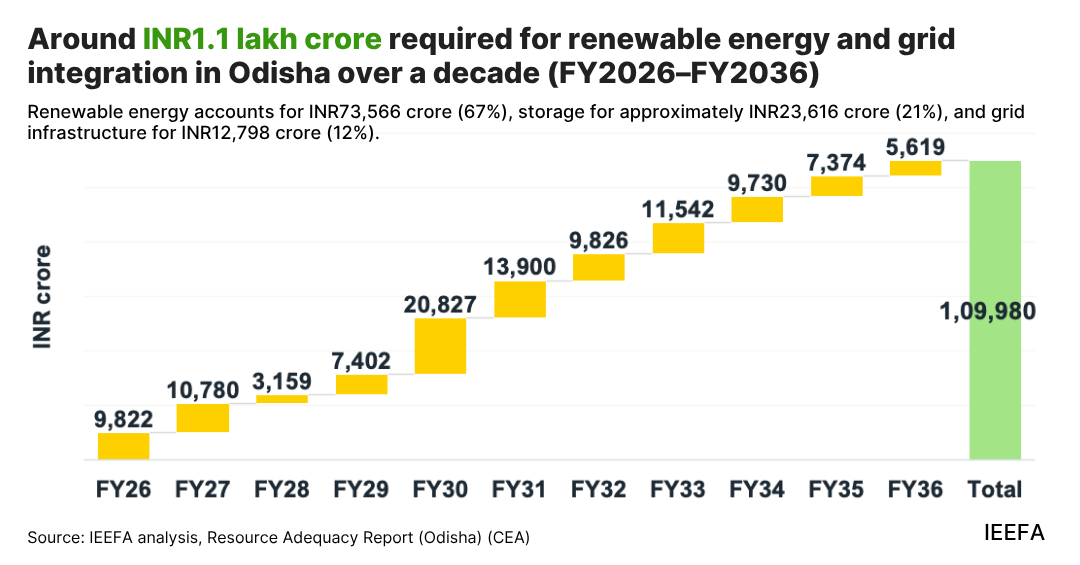
Sustainable finance for a just transition in Odisha
15 October 2026 / Report
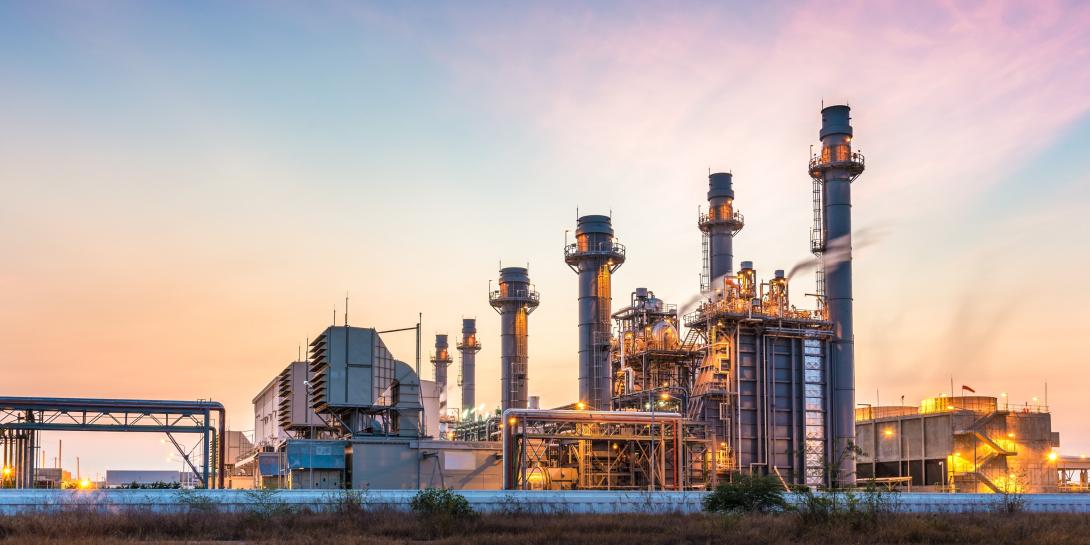
Green iron exports: Australia must look beyond China
14 October 2026 / Briefing Note
Time to put the brakes on Dominion’s fuel cost securitizations




IEEFA expert perspectives
See our experts in the media
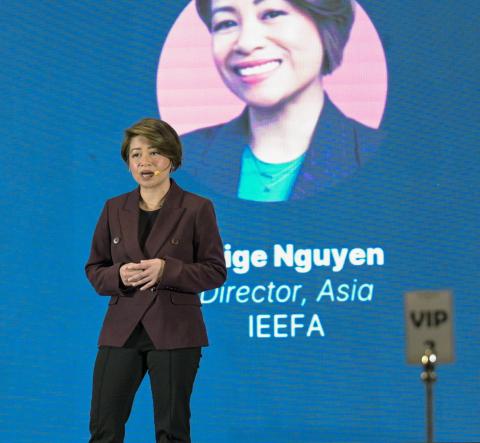
"Indonesia has the potential to build an energy system that is cleaner, more secure, and more competitive. The task now is to turn that potential into investment that creates jobs, supports economic growth, and strengthens Indonesia’s long-term prosperity."
Paige Nguyen - Director, Asia
"What we need across all of Europe is grid investment. [By] grid investment, I mean modernization and the expansion of the grid. For me, the winner is the European grid."
Ana Maria Jaller-Makarewicz - Lead Energy Analyst, Europe
in CNBC
"Businesses and community organizations have many demands on their capital and attention, and solar projects often lose out to other core priorities. Incentives that lower the upfront cost help solar projects compete more effectively against those other spending priorities."
Johanna Bowyer - Lead Analyst, Australian Electricity
in ABC News

“The immediate need for energy storage is to manage excess solar power during the day, avoid curtailment, and supply that power in the evening when the sun goes down. This can help increase the share of renewables in India’s generation mix.”
Charith Konda - Lead Energy Specialist, South Asia
in NDTV Profit