First-of-a-kind cooling plan at Fermi nuclear project likely to be costly, time-consuming
Key Takeaways:
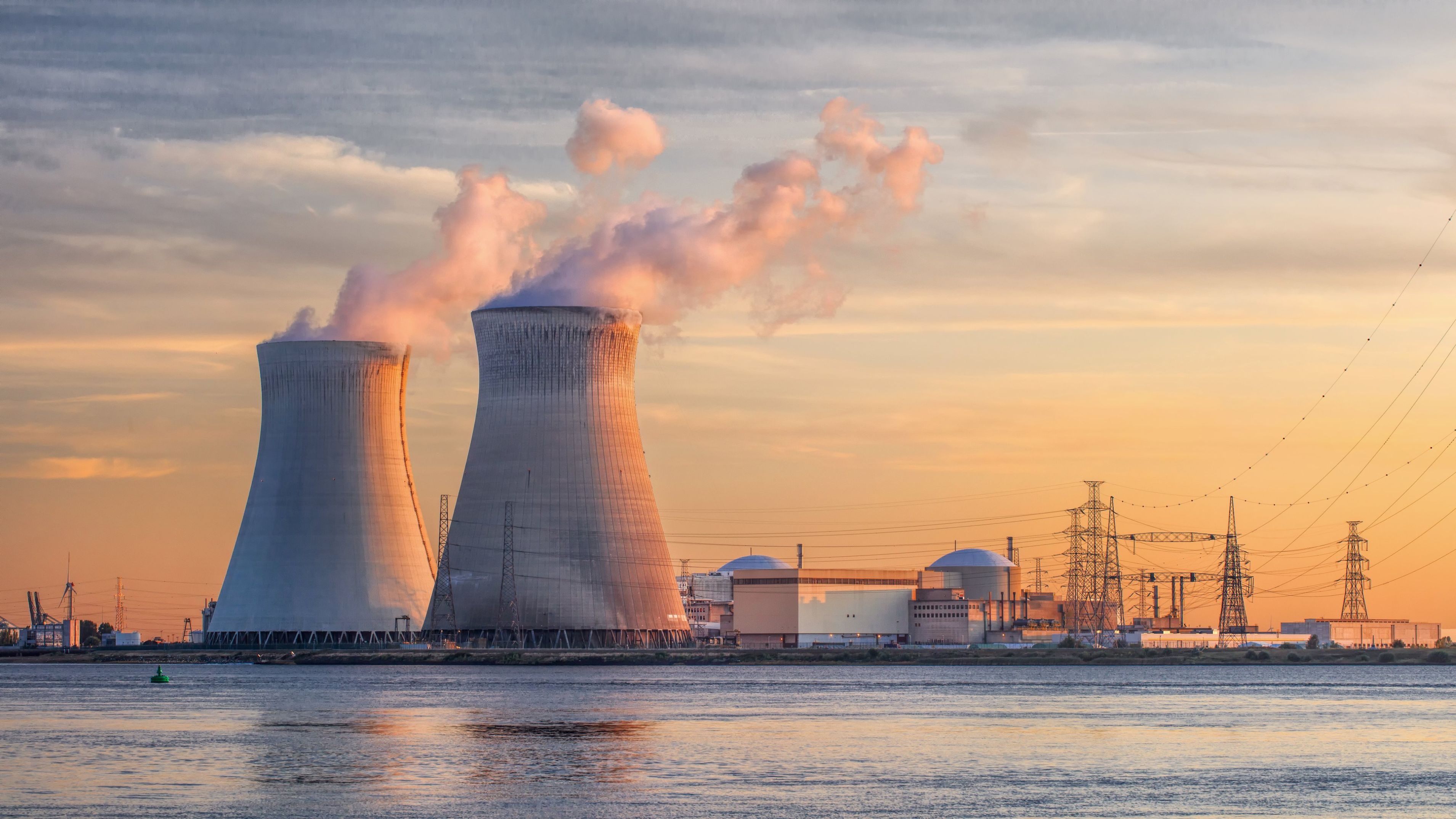
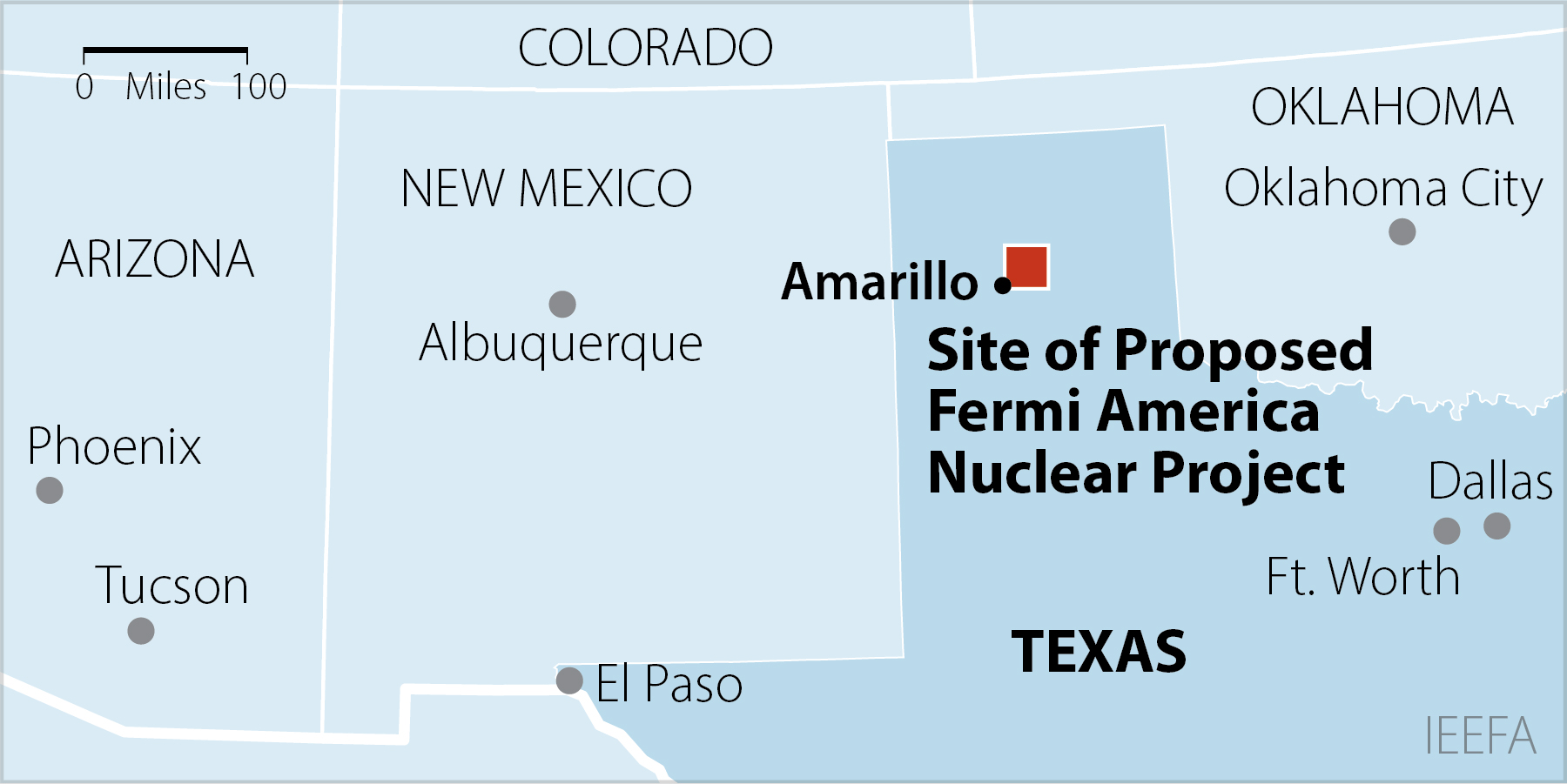
Fermi America, a year-old startup with no completed power projects to its credit, wants to build a massive generation facility in the water-stressed region near Amarillo, Texas, theoretically to supply demand from new data centers.
The company still does not know how it is going to cool its four planned nuclear reactors—meaning it also does not know what those systems are going to cost, how long they will take to construct, or even if those systems will be approved for use by the NRC.
Fermi should not be able to proceed with construction of its planned reactors without securing NRC approval for its hybrid cooling system—a potentially time-consuming and expensive process since no large reactor in the U.S. has ever operated using anything other than water for its cooling systems.
Fermi’s plan to use a cooling system that is both unique and unlicensed is the opposite of standardization, and raises the real possibility that the cycle of cost overruns and raises the real possibility that the cycle of cost overruns and construction delays that has plagued the U.S. nuclear industry will continue.
July 09, 2026 (IEEFA) – Fermi America, a year-old startup with no completed power projects to its credit, is proposing a massive nuclear power generation facility in the water-stressed region near Amarillo, Texas, theoretically to supply demand from new data centers. According to the latest Institute for Energy Economics and Financial Analysis (IEEFA) report, there is one problem: Fermi wants to completely change the cooling system to an unproven, unlicensed hybrid design.
In its initial licensing filings submitted to the Nuclear Regulatory Commission (NRC), Fermi acknowledged that the specifics of the cooling system have not yet been designed. Not knowing what exact system or configuration it plans to use means it also does not know what those systems are going to cost, how long they will take to construct, or even if those systems will be approved by the NRC.
Questions regarding how the reactors will be cooled tell a story about the uncertainty surrounding Fermi’s nuclear construction plans, and point to significant risks both for investors considering funding the construction of the massive nuclear power plant complex, and data center developers and customers looking to lock in electricity supplies at competitive prices and on definitive timelines. IEEFA unravels this story in the body of the report.
"While the cost of the Fermi reactors’ cooling system is uncertain, there is no doubt it is going to be extremely high, and much more costly than a conventional water-cooled system,” says Dennis Wamsted, IEEFA energy analyst and author of the report. "No large reactor in the U.S. has ever operated using anything other than water for its cooling systems."
Fermi should not be able to proceed with construction of its planned reactors without securing NRC approval for its first-of-a-kind hybrid cooling system. The likelihood of this being a time-consuming and expensive process should serve as a bright flashing warning sign both for financial entities considering investing in the Fermi reactor project and data center developers and users being wooed to locate at the site. Building the four reactors, already estimated to cost $41 billion, is likely going to take much longer and cost far more than those current forecasts.
Full briefing note: First-of-a-kind cooling plan at Fermi nuclear project likely to be costly, time consuming
Author contact: Dennis Wamsted ([email protected]) is an IEEFA energy analyst
Media Contact: Susan Torres ([email protected]), +1 908-565-3451
About IEEFA
The Institute for Energy Economics and Financial Analysis (IEEFA) examines issues related to energy markets, trends, and policies. IEEFA’s mission is to accelerate the transition to a diverse, sustainable and profitable energy economy.