FOMOnomics and clean air: What Delhi's new EV policy gets right
Key Findings
The Draft Delhi Electric Vehicle (EV) Policy 2026-2030, released for public consultation, serves a response to two crises at once. One, the fuel supply disruptions due to the West Asia conflict, and two, the persistent air pollution problem facing the city.
The policy’s fiscal design uses a productive fear of missing out (FOMO) by tapering incentives over time so that early adopters receive the greatest benefit, accelerating uptake precisely when market momentum most needs building.
The policy’s provisions for fleet aggregators and delivery providers are significant, particularly for ride-hailing workers who use personal petrol motorcycles. While incentives and direct benefit transfers are a start, stronger financing and leasing support is needed to preserve livelihoods.
To strengthen charging infrastructure, the distributed one-charger-per-dealer model is sensible, but closing the gap will require considerably faster execution than the previous policy cycle managed.
Coordination across departments and agencies is crucial for implementing the EV policy effectively. The EV apex committee and the high-powered committee must function as accountability mechanisms to ensure the policy’s mandates are met.
India is home to six of the ten most polluted cities in the world, and Delhi often sits at the top of that list. The city recorded an annual average PM2.5 concentration of 101 micrograms per cubic metre, more than 20 times the WHO guideline and 2.5 times India’s own national standard. Vehicular emissions are the single largest contributor to Delhi’s winter air pollution at 23%.
A different kind of crisis sharpens the urgency. The ongoing West Asia conflict has pushed India’s crude oil import costs up by over 130%. India imports over 85% of its crude, with significant volumes flowing through supply routes now under severe stress. In the long run, committing to vehicle electrification is as much a statement of atmanirbharta (self-reliance) in energy as it is an environmental one.
The Draft Delhi Electric Vehicle (EV) Policy 2026-2030, released for public consultation this week, arrives as a response to both crises at once.
The policy draws its legal foundation from Article 21 of the Constitution and the MC Mehta case, which established clean air as a fundamental right, and over four decades compelled Delhi to shut polluting industries, convert its bus fleet from diesel to CNG, and leapfrog emission standards. Recently, Delhi’s Green Budget 2026-27 allocated INR8,374 crore to transport and clean mobility, and the Air Pollution Mitigation Action Plan set a November 2026 deadline for only BS-VI,CNG, or electric goods vehicles to enter the city. The EV Policy sits within this larger architecture, representing the government choosing to own what the courts once had to compel, and elevating clean air from a judicial directive to a governing commitment.
The policy’s fiscal design is its most distinctive feature, and it is here that FOMOnomics appears. FOMOnomics, as used here, refers to a deliberate policy design that creates a productive fear of missing out—tapering incentives over time so that early adopters receive the greatest benefit, accelerating uptake precisely when market momentum most needs building.
FOMOnomics
Purchase incentives for electric two-wheelers (E2Ws), for vehicles priced up to INR2.25 lakh, begin at INR30,000 in year one and reduce to INR10,000 by year three. The same declining logic runs through three-wheelers and goods vehicles. A buyer who knows their incentive will be three times higher this year than in year three has every rational reason to act now. It also gives manufacturers the demand visibility to plan supply.
This approach reflects prior research. A study by IEEFA which recommended subsidy tapering also found that Delhi’s 2020 EV policy generated over 400 additional E2W registrations every month compared to its absence. The new policy takes this evidence seriously.
That said, the 2020 policy’s record warrants honest acknowledgement. Its target of 25% of new registrations being electric by 2024 was unmet; the actual figure reached approximately 13-14%. The new policy’s mandates are better calibrated: Delhi’s overall EV share is close to 10%, with the E3W segment accounting for a substantial majority of new three-wheeler sales, making the mandates credible rather than aspirational. The total outlay of INR3,954.25 crore, combined with direct benefit transfers and full road tax exemption for cars priced up to INR30 lakh, is among the most comprehensive purchase-side architectures any sub-national jurisdiction has assembled.
Road to 100% Electrification
Beyond incentives, the policy uses mandates to drive the transition. From January 2027, only electric three-wheelers (E3Ws) will be eligible for new registration in Delhi. From April 2028, the same applies to two-wheelers. These are credible deadlines because the economics already support them: for auto-rickshaw drivers and dedicated delivery operators, the running costs of an EV are substantially lower than petrol or CNG equivalents.
The mandate covering fleet aggregators and delivery providers is among the policy’s most consequential provisions. Quick commerce companies have increasingly moved towards leased EV fleets, but ride-hailing workers present a harder problem. Most are individuals using a personal petrol motorcycle to earn supplementary income, and the upfront cost gap between a petrol motorcycle and an electric equivalent remains significant for a gig worker earning daily wages.The policy’s scrapping incentives and direct benefit transfers are a start, but stronger financing and leasing support is needed to protect livelihoods.
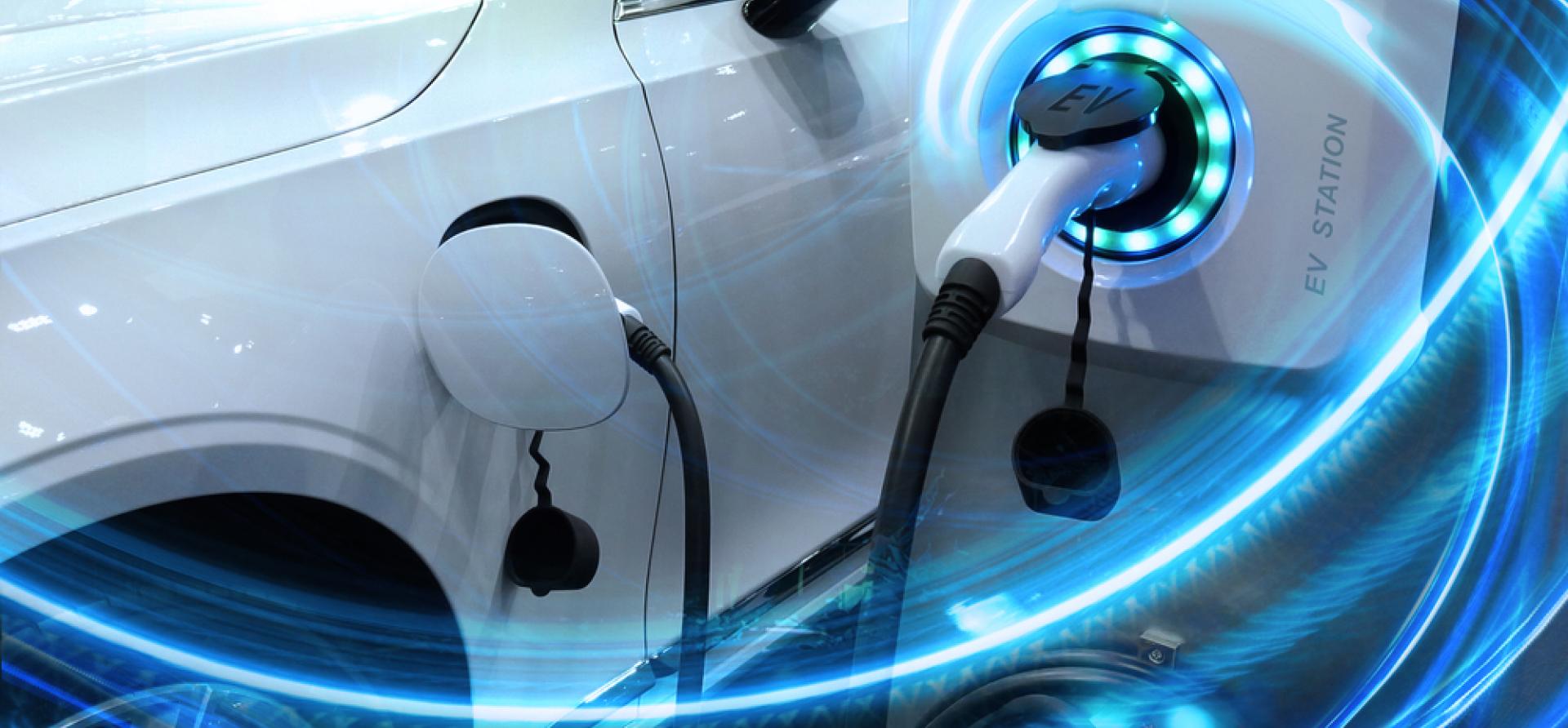
On charging, each original equipment manufacturer dealer must host at least one public charging station, building on the city’s existing network of roughly 9,000 stations — only a quarter of the estimated 36,000 needed. The distributed one-charger-per-dealer model is sensible, but closing the gap will require considerably faster execution than the previous policy cycle managed.
The harder challenge is coordination. Responsibilities span multiple departments and agencies. The 2020 policy demonstrated how inter-departmental friction can slow even well-designed schemes; subsidy disbursement delays and permitting bottlenecks were persistent complaints. The EV apex committee and the high-powered committee under the chief secretary must function as genuine accountability mechanisms, not periodic review exercises. Without this operational backbone, the policy’s mandates risk becoming deadlines that get quietly extended.
Finally, the larger picture. India has announced updated climate commitments targeting a 47% reduction in emissions intensity of GDP and 60% non-fossil electricity capacity by 2035. EVs are the only vehicle technology whose environmental performance improves automatically over time, without the owner changing anything, as the grid adds more renewable capacity. An EV bought in Delhi in 2026 will be measurably cleaner by 2030 simply because India’s electricity will be.
The policy being debated today is not just about clean air for Delhi. It is about building the vehicle fleet that keeps getting greener as the country decarbonises. If its fiscal architecture and tapering incentive model deliver the adoption curves they are designed to produce, Delhi will have assembled a replicable template for every Indian state confronting the same twin pressures of air quality and energy security. That is the real measure of what FOMOnomics can achieve.
This article was first published in Financial Express


Related Content