One hundred days of disruption: How the Iran war exposes Europe’s energy vulnerabilities
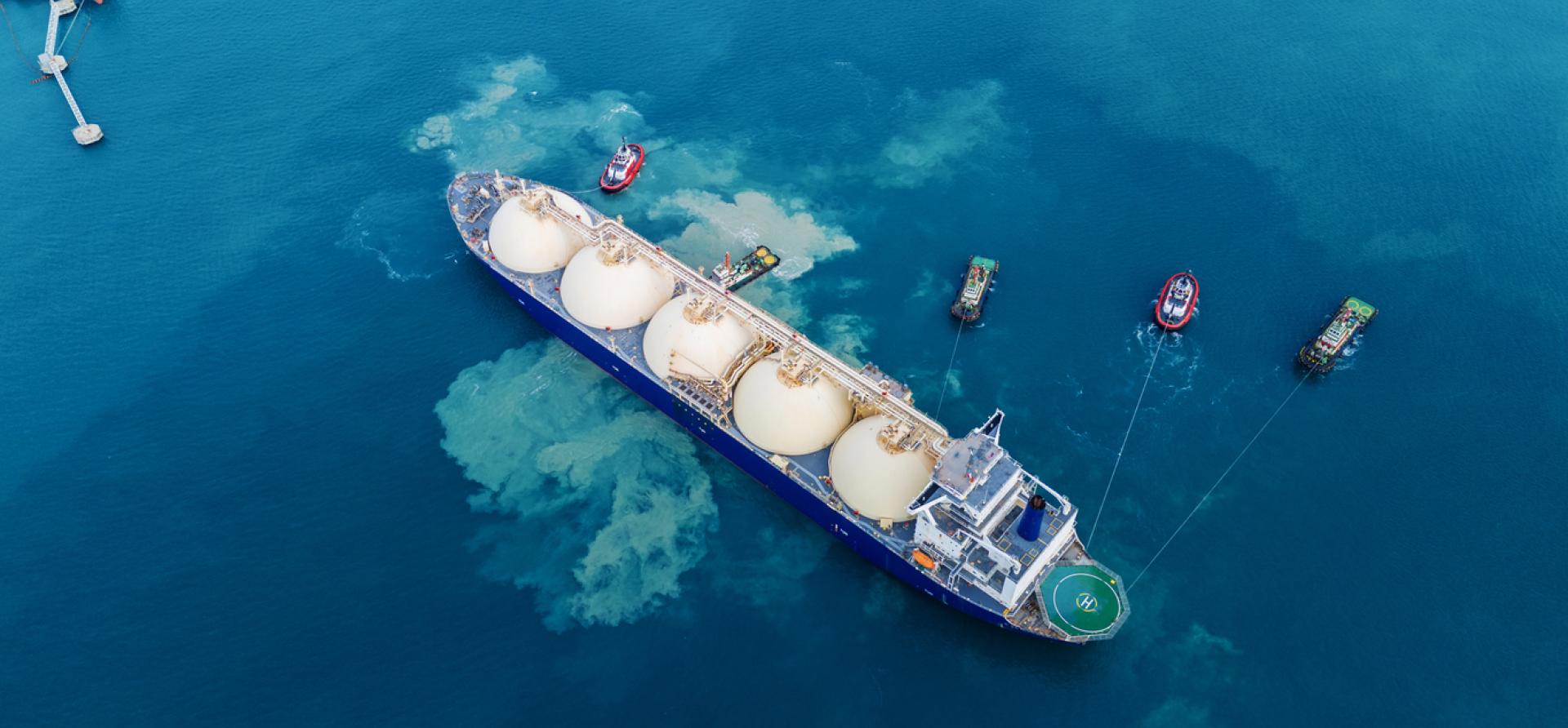
One hundred days since the outbreak of the war in Iran, the implications for Europe’s energy security are becoming clearer. Europe is experiencing its second energy crisis in less than five years, but responses announced so far contradict each other. The response to the first crisis, triggered by the full-scale invasion of Ukraine in February 2022, was to replace Russian gas with imported LNG. The current crisis, however, shows that LNG dependence has become a vulnerability in its own right.
As a result, the EU may have realised that its 2022 decision to boost LNG imports is no longer sustainable. Imports have dropped by 1.2% since March 2026 and continue to decline, although responses have varied among EU member states.
UK LNG imports fell by 20% year-on-year between March and May 2026. Together, the EU and the UK have cut LNG imports by 3% since March.
US and Russian LNG dependency continues
Europe’s imports of Qatari LNG fell in 2026 with the effective closure of the Strait of Hormuz. As a result, Europe has become even more reliant on its two largest LNG suppliers—the US and Russia.
From March to May 2026, the EU's year-on-year LNG imports rose across all other major suppliers: up 5% from the US, 11% from Algeria, 25% from Russia, and 84% from Norway. The US accounted for 60% of the EU’s LNG imports during this period, up from 56% year-on-year.
The UK, on the contrary, has reduced its dependency on the US. LNG from the US accounted for 63% of the country’s LNG imports from March to May 2026, a decline from the 67% of imports during that same period last year.
While some countries have reduced their LNG imports, others deepened their exposure by increasing them. Germany’s LNG imports surged 72% year-on-year from March to May 2026, the sharpest increase among all EU countries. Meanwhile, France reduced its LNG imports by 23%.
Investing in alternatives to gas to reduce exposure to volatile global energy markets
One hundred days of disruption have highlighted both the resilience and the vulnerabilities of Europe’s energy system. While the region has largely avoided major supply shortages, the loss of Qatari LNG has increased reliance on a smaller number of suppliers. The resulting shift towards US and Russian LNG demonstrates that supply diversification alone does not guarantee energy security.
Lasting resilience will be determined by reducing demand for gas and accelerating investment in alternatives to gas that are less exposed to global market disruptions.

Related Content