Key Findings
With many corporate emissions or green purchasing targets specific to steel setting a 2030 deadline, Australian green iron developers will need to move quickly to take advantage of this opportunity.
Corporate emissions reduction targets in key sectors such as automotive, wind, shipping and data centres could be an important demand driver for Australian green iron.
Steel producers, particularly in Japan and Korea, may struggle to secure sufficient renewable power to meet this demand, opening an opportunity for Australia to supply up to 5.5MTPA of green iron, worth an estimated USD2 billion (AUD2.8bn) a year.
Projected green steel demand to 2030 exceeds supply but there is significant uncertainty on both demand (due to policy, market shifts and varying corporate targets) and supply (as producers using a fossil-hydrogen mix transition).
A short-term gap between supply and demand gives Australia an opportunity to kick-start a green iron export industry, building on its strengths in iron ore and renewable resources. To take advantage, project developers will need to move quickly to establish offtakes with partners in key sectors.
Steel decarbonisation policy in Australia’s key iron ore export destinations (China, Japan and South Korea) is not yet sufficient to drive green iron demand. However, voluntary corporate climate commitments for the steel end-use sectors into which Australia’s iron ore flows provide a near-term opportunity for potential green iron exporters.
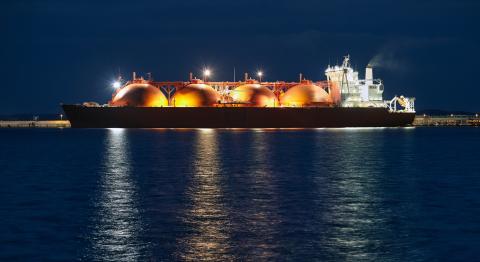
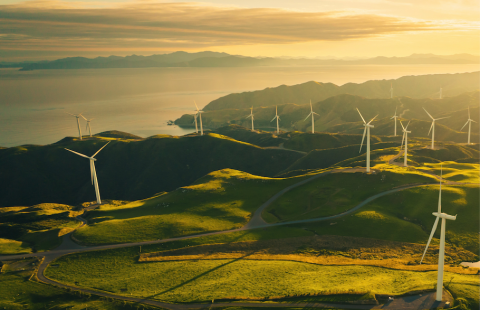
Four key sectors—automotive, shipbuilding, wind and data centres—where green iron demand could emerge were considered. Each sector uses a large volume of steel and has strong/growing presence in the Asia-Pacific (APAC) region.
Across these four sectors, many companies have green steel purchasing targets. However, coverage varies with stronger commitments from wind and data centre operators compared with auto manufacturers and shipowners.
These targets focus on 2030, meaning green iron developers in Australia will need to move quickly and use innovative contracting approaches to establish offtakes with these downstream companies.

Related Content