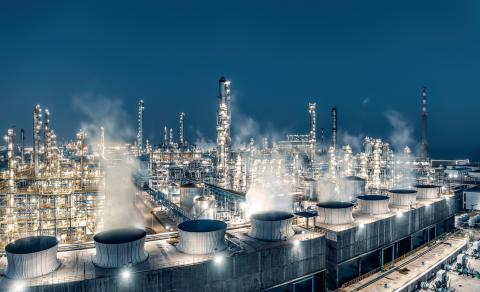
Shell’s Monaca plant exposes Pennsylvania’s failed trickle-down petrochemical renaissance
Key Takeaways:
The petrochemical renaissance in Pennsylvania has not delivered on its promises— the scale of public attention, subsidies, and economic development efforts directed toward petrochemicals is not commensurate with the sector’s actual contribution to the state’s economy.
Pennsylvania’s subsidies of the Shell Polymers Monaca plant have not spurred private investment in substantial industry expansion—nearly all other plants in the state pre-date the Shell plant and are not part of a wave of integrated development.
Despite promises from state authorities and fossil fuel companies, the refining and petrochemical-related industrial sector in Pennsylvania has shed jobs, not generated them.
Pollution problems at the Shell plant—including 62 notices of violations since 2017—highlight the need to assess risks and the compliance records of sponsors who seek public incentives for petrochemical projects.
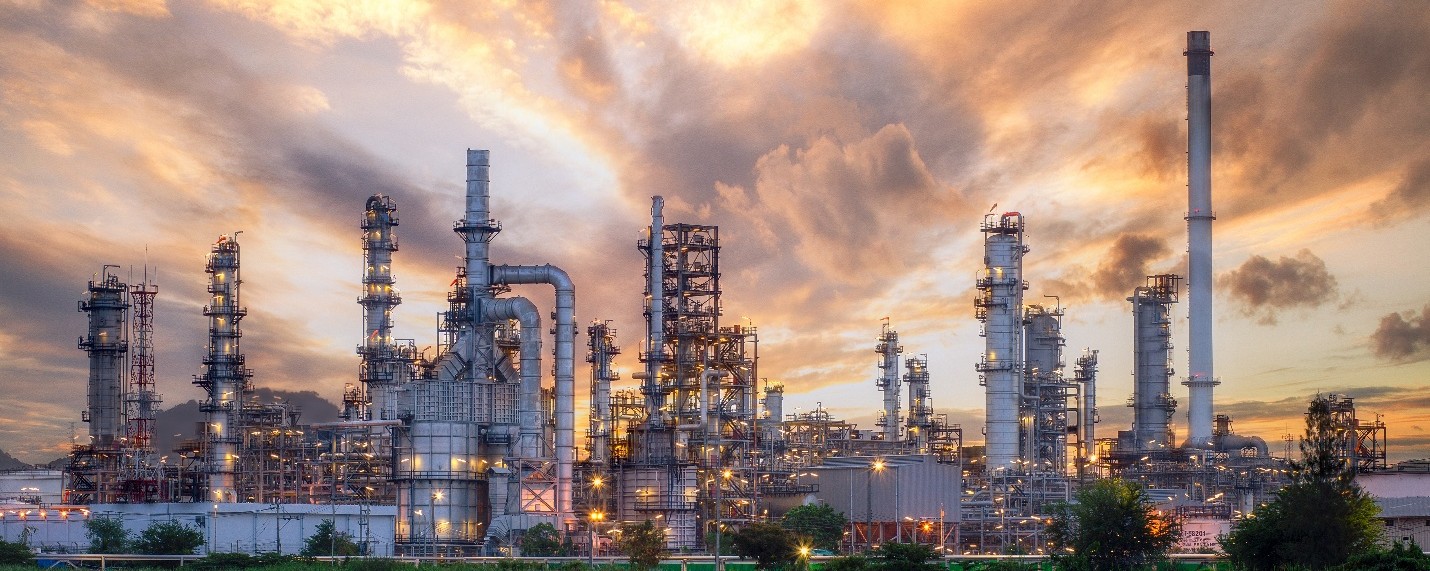
June 11, 2026 (IEEFA)— Pennsylvania’s attempt to bring a “petrochemical renaissance” to the state has not worked. In fact, the industry has shed jobs and put public health at risk, according to a report out today from the Institute for Energy Economics and Financial Analysis (IEEFA). Pennsylvania has invested substantial government funding and tax credits into the Shell Polymers Monaca plant, in hopes of spurring an economic boom, it has not happened.
The chemical manufacturing sector’s proportionate contribution to Pennsylvania’s gross domestic product (GDP) has declined by 55%, dropping from a peak of 5.7% in 2001 to hover at 3.2% in recent years. The petrochemical industrial sector in the state has suffered a 49.5% decrease in jobs in the past two decades. At the same time, there have been 62 notices of environmental violations at the Shell Polymers Monaca plant alone since 2017.
IEEFA’s report finds that the proportionate role of petrochemicals in Pennsylvania’s employment economy has been declining. The scale of public attention, subsidies, and economic development efforts directed toward petrochemicals is not commensurate with the sector’s actual contribution to the economy.
“The unrealized expectations of economic development in the petrochemical sector in Pennsylvania should serve as a cautionary tale for state and local governments across the country,” said Suzanne Mattei, IEEFA energy policy analyst and co-author of the report. “The record at Shell Monaca and other similar facilities shows that state financial incentives for economic development should target business sectors with strong track records of local job generation, robust markets for their products, and proven commitments to the community.”
If Pennsylvania directs more support to the petrochemical industry, it is likely to waste taxpayer dollars and useful land, while putting the health of communities at further risk.