In the long-haul, all roads lead to fuel efficiency
How the freight transport sector can drive energy security gains
Key Takeaways:
Enhanced fuel efficiency could partially shield Australia’s freight sector, and the broader economy, from future diesel pain.
Short-term, industry-wide behaviour, process and technology improvements could reduce road freight’s diesel use by 10–20%.
An accompanying shift from road to rail freight is difficult but worth pursuing.
Government could set and support fuel-saving targets by enhancing industry access to information, training and finance, and removing regulatory barriers.
30 July 2026 (IEEFA Australia): Heavy reliance on diesel road freight exposes Australia to global fuel shocks but a concerted efficiency drive could help protect the sector – and wider economy – from future crises, according to a briefing note released today.
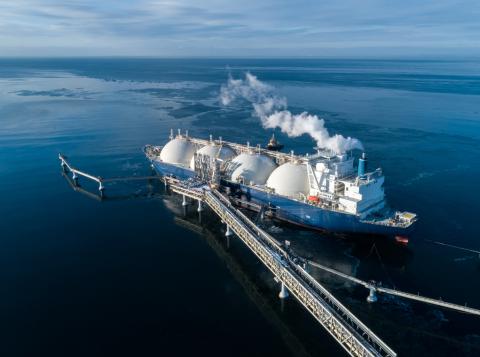
As the world’s biggest diesel importer, responsible for 10% of global seaborne trade, Australia is highly vulnerable to supply disruptions, finds the briefing note Efficiency first: How Australia’s freight industry can lead on cutting diesel risk.
Domestic diesel use has skyrocketed since 2000. It meets a fifth of Australia’s energy consumption—outstripping even electricity, says the author James Bowen, Lead Analyst, Australian Industrial Decarbonisation, at IEEFA.
“Australia should continue to take the risk of supply shortfalls, or at least sustained diesel-linked inflation, seriously,” Mr Bowen says. “Limited ability to revive domestic supply means Australia must pursue immediate resilience alongside structural demand decline.”
Even if global fuel supplies were to return to normal levels, which appears unlikely in the short-term, the effects of the Iran crisis could be felt for a year or more afterwards.
“If conditions deteriorate, profound fuel insecurity might only be relieved through reduced social and economic activity, possibly via escalated National Fuel Security Plan actions,” Mr Bowen says.
Source: Australian Energy Update 2025, Table F.
“Achieving short-term savings without this pain requires enhanced pursuit of the ‘first fuel’: energy efficiency.”
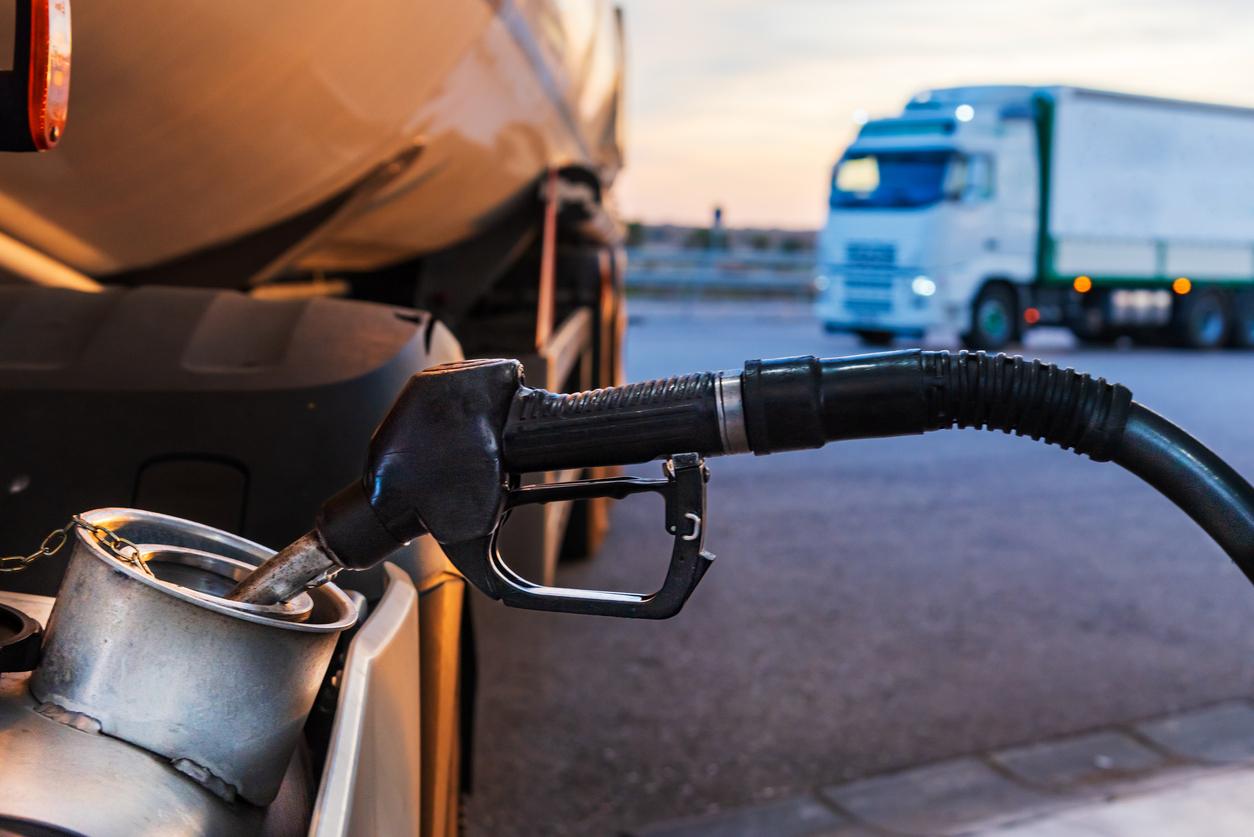
Freight consumes more than three-quarters of the diesel used in road transport. While government measures – halving the fuel excise and suspending the Road User Charge – provided some relief to industry and consumers, they are temporary. This makes diesel fuel savings a priority, with efficiency gains of 10-20% achievable through existing technologies and practices, such as:
- Eco-driving: Steady acceleration, cruising at constant speed, slow deceleration without active braking, and minimising idling (fuel savings up to 30%).
- Maintenance: Tyre pressure, lubrication, wheel alignment and filter cleaning (10%).
- Modifications: Low-rolling resistance tyres (7–8%); aerodynamic features such as roof spoilers (5%), side fairings and skirts (1% each). Removing non-aerodynamic features – lights, bull bars and horns (1% each). Each 10% drop in vehicle weight can save 5–10% in fuel.
- Payload optimisation: AI management and online matching platforms can reduce the ~40% of underutilised truck space and one in four empty trips (25%).
- Planning and logistics: Telematics systems, better route planning, delivery scheduling and customer integration, including matching jobs to vehicle, type and configuration (10-20%).
- Fuel-efficient vehicles: Larger dimension, high-productivity vehicles (HPVs) through load consolidation (up to 20%) and battery electric vehicles (BEV) (100%).
While several of these gains are not “stackable”, and some may be difficult to achieve in real-world conditions, the wide range of solutions available could have an industry-wide impact.
“Noticeable improvements could begin within six months, but realising their full potential could take a year or more,” Mr Bowen says. “A consistent 10–20% saving would translate to 1.3–2.7 gigalitres (GL) of diesel avoided over a year – close to the range of diesel used for Australian electricity and agriculture.
“Successful energy efficiency, by its very definition, protects and even enhances economic competitiveness. It should thus attract more support.
“Fuel efficiency might even reduce industry-specific catastrophic risk. The Iran crisis has already produced many insolvencies, and pending RUC restoration could bring renewed pain.”
Read the note: Efficiency first: How Australia’s freight industry can lead on cutting diesel risk
Media contact: Will Poole, ph +61 408 030 524, [email protected]
Author contacts: James Bowen, [email protected]
About IEEFA: The Institute for Energy Economics and Financial Analysis (IEEFA) examines issues related to energy markets, trends, and policies. The Institute’s mission is to accelerate the transition to a diverse, sustainable and profitable energy economy. (ieefa.org)