Australia’s green iron opportunity becomes economic necessity with end of China steel boom
Key Takeaways:
With China’s steel demand in structural decline, the outlook for Australia’s iron ore exports is one of decreasing volumes and values with significant revenue implications for the federal and Western Australian governments.
The processing of iron ore into green iron has been identified as an opportunity for Australia to add value to a declining export. This is starting to look more like an economic necessity than an opportunity.
China’s global green hydrogen dominance and its strategic imperative to reduce reliance on imports from Australia may limit green iron trade between the two countries. Australia’s biggest customer for iron ore may not become its biggest green iron export destination.
Australia must prioritise alternative markets. In addition to established customers Japan and South Korea, Australia is well located to supply the two key drivers of global steel demand growth, both of which are located in the Asia-Pacific – India and Southeast Asia.
15 October 2026 (IEEFA Australia): With Australia’s iron ore exports facing an outlook of declining volumes and values, green iron is no longer just a promising opportunity, but an economic necessity, new research reveals.
However, in transitioning to higher-value exports of green iron, Australia may need to look beyond China, for many years its biggest customer for iron ore by far. Instead it must prioritise the development of alternative markets. These findings are explored in Green iron exports: Australia must look beyond China, a new report from the Institute for Energy Economics and Financial Analysis (IEEFA).
“China’s steel boom is over, and Australia’s iron ore outlook is now one of falling volumes and falling prices,” said Simon Nicholas, Lead Analyst – Global Steel at IEEFA, and the report’s author. “Green iron used to be talked about as a nice opportunity to add value. It’s now beginning to look essential to offset forecast declines in government revenue from iron ore.”
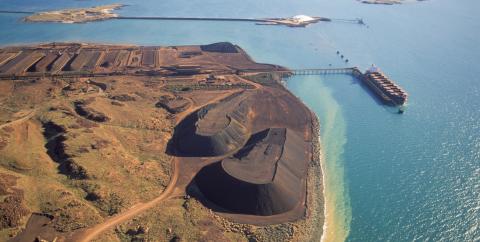
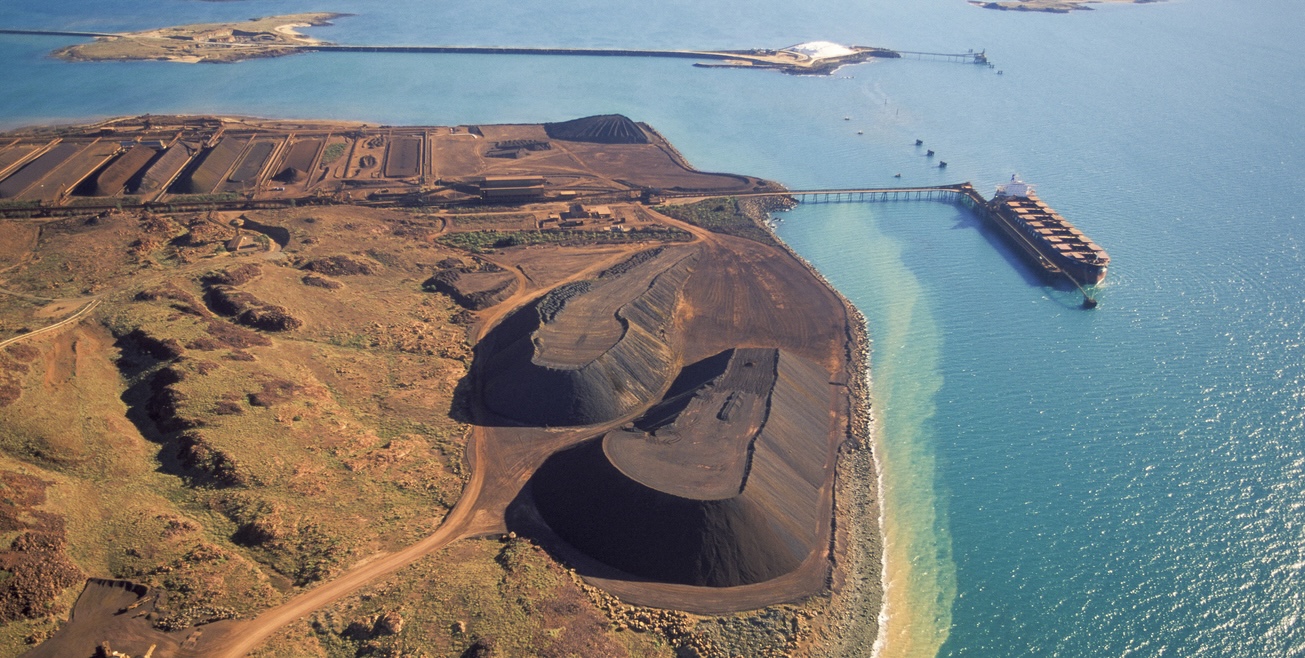
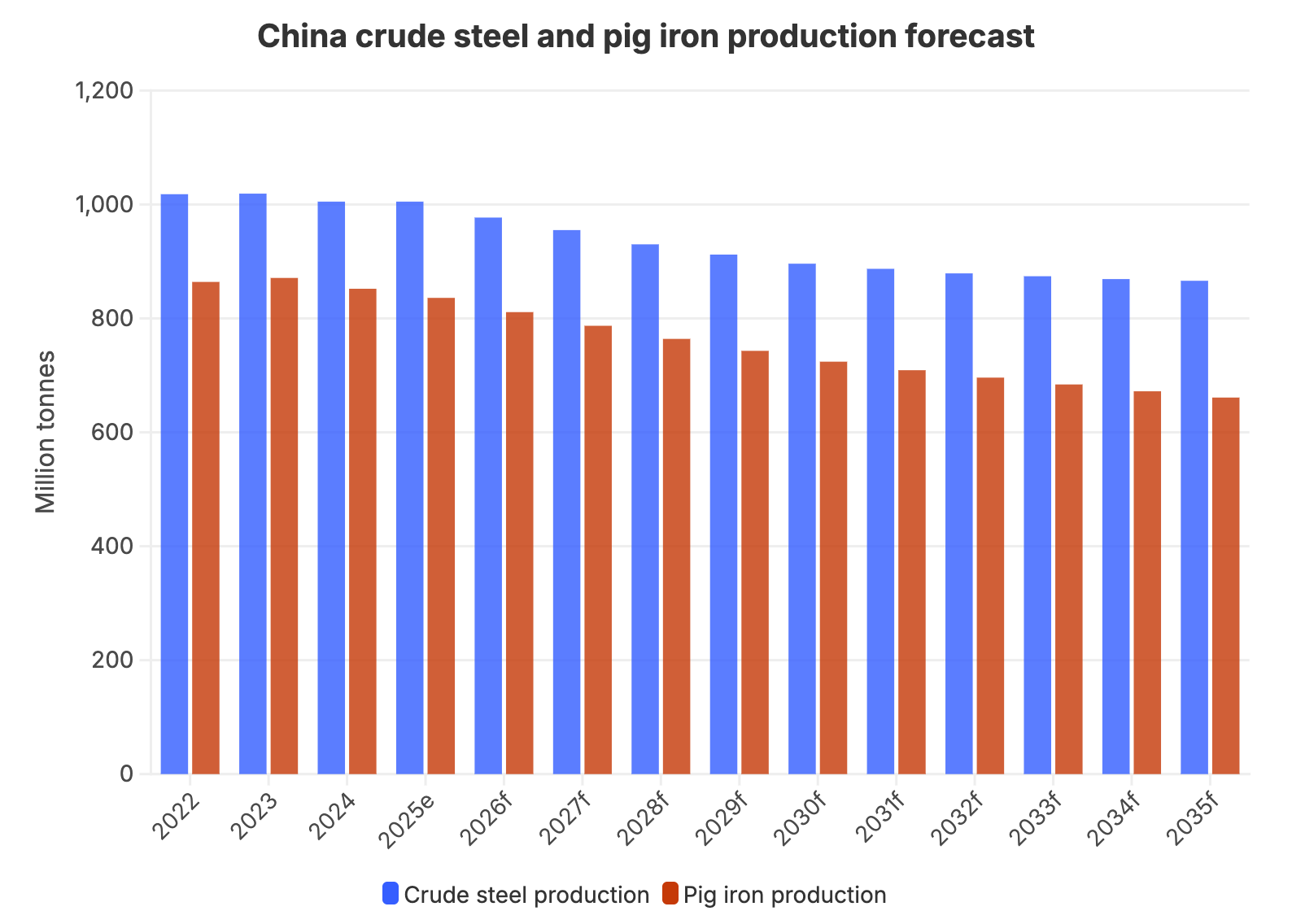
Iron ore is Australia’s biggest export, and Australia is the world’s largest iron ore exporter by far. Around 80%-85% of Australian iron ore goes to China, but China’s crude steel production peaked in 2020 and is now in structural decline. The federal government forecasts export volumes will peak within two years and then fall for the rest of the decade, while prices continue to decline.
Australia’s iron ore export earnings are forecast to drop by AUD44 billion in the next five years, from AUD123 billion in 2025-26 to AUD79 billion in 2030-31. This would have far-reaching economic implications, particularly in Western Australia (WA). It would also have a sharp impact on budget revenues. The WA state government is forecasting a large drop in royalty income as Chinese iron ore demand slows.
Moreover, downside risks could see China’s demand fall even quicker than forecast. In Guinea, West Africa, the Simandou mines are ramping up faster than expected, and S&P Global forecasts the seaborne market will be oversupplied until the mid-2030s. China Minerals Resources Group (CMRG) is taking an increasingly tough stance in its dealings with major Australian iron ore miners BHP and Fortescue, blacklisting some Fortescue ore in July 2026. Meanwhile, China’s domestic scrap steel is already a bigger source of iron than any of the mining majors.
“China is strategically motivated to reduce its reliance on Australian iron ore,” says Nicholas. “As its demand falls, to meet remaining requirements it seems likely it will look to sources other than Australia.”
Green iron has long been flagged as an opportunity for Australia’s iron sector to evolve amid slowing demand in China and accelerating steel technology change. Previous research finds green iron production offers Australia the prospect of adding between AUD133 billion and AUD269 billion to the value to its biggest export.
But that added value may not find as much off-take as expected in China, which is already positioning itself well to make green iron domestically. China leads the world in green hydrogen and dominates renewable, battery and electrolyser technology.
“Australia’s biggest iron ore customer won’t necessarily be its biggest green iron customer,” said Mr Nicholas. “Australia therefore needs to increase focus on opportunities elsewhere. Fortunately, in addition to Japan and South Korea, it is well positioned to supply two markets that are currently the key engines of global steel demand growth, India and Southeast Asia. Australia needs to prioritise them now.”
The report uncovers early signs that these markets are opening up. Thailand may soon import iron made with 15% green hydrogen from Meranti Green Steel’s planned 2.5Mtpa direct reduced iron (DRI) plant in Oman. This would be a clear demonstration of the green iron export model in practice. India’s iron ore imports are forecast to rise from virtually zero to 50 million tonnes by 2031. Fortescue, which has targeted 100 million tonnes per annum (Mtpa) of green iron exports to China, recently disclosed that its iron ore sales had slumped under pressure from CMRG. The company has noted it is looking to Southeast Asia and India for new demand.
Nicholas concludes: “Australia is well placed to move into the production and export of green iron. Given its reliance on iron ore exports, as well as their declining prospects, it also has a compelling economic imperative that ought to act as a catalyst for development. Long-term planning is required to reposition the nation’s biggest export for the future.”
Read the report: Green iron exports: Australia must look beyond China
Media contact: William Poole, ph +61 408 030 524, [email protected]
Author contacts: Simon Nicholas, [email protected]