Presentation: The outlook for gas and LNG in the Philippines
Key Findings
Coal still anchors the Philippines’ power system, but LNG is unlikely to expand without overcoming major commercial and policy constraints.
Along with the uncertainty of imported fuel prices, risks in equipment and currency markets also affect the Philippines LNG outlook.
Renewables growth is narrowing the prospective baseload role for gas, while batteries increasingly compete with gas for peaking and flexibility services.
The Philippines faces a strategic choice between expanding dependence on imported liquefied natural gas (LNG) and accelerating domestic renewable energy and battery storage. However, extreme fuel price volatility in global gas markets, rising equipment costs, currency exposure, and project delays challenge the case for substantial new LNG-to-power investment. Planning and procurement should prioritize affordability, reliability, and flexibility rather than assume a growing role for gas in reference scenarios.
This was presented by Sam Reynolds, IEEFA’s LNG/Gas Research Lead, Asia, at the “Powering the Philippines: From Energy Crisis to Energy Resilience” public policy forum hosted by Race to Net Zero Philippines, IEEFA, and the Institute for Climate and Sustainable Cities, with reactors from the Department of Energy, and at the Philippine Institute for Development Studies learning exchange on “Energy Crisis, the Energy Transition and Building Resilience”.
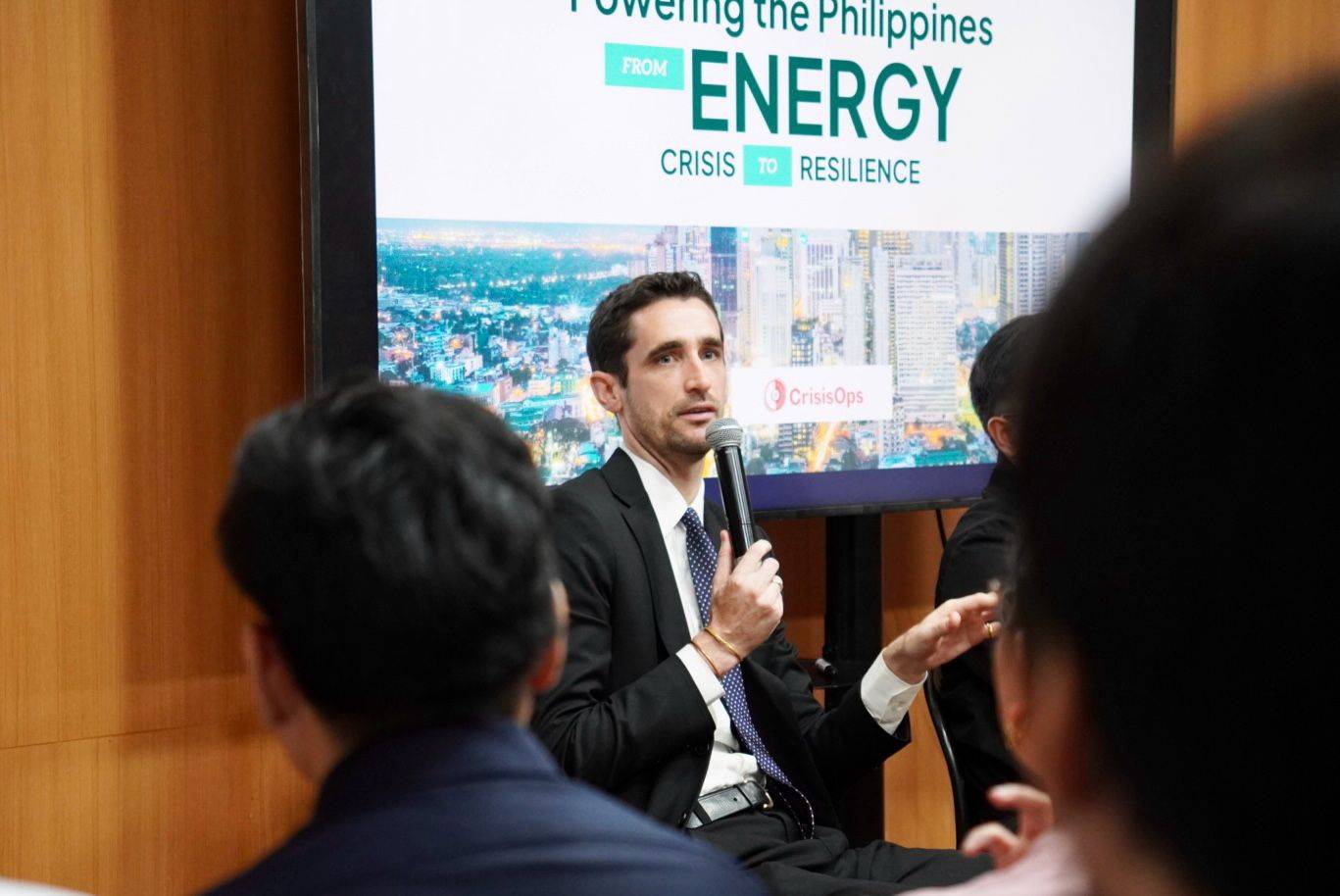
The Philippine Energy Plan reflects a key choice between expanding LNG versus accelerating renewable energy. Based on economics and energy security, the choice is clear.
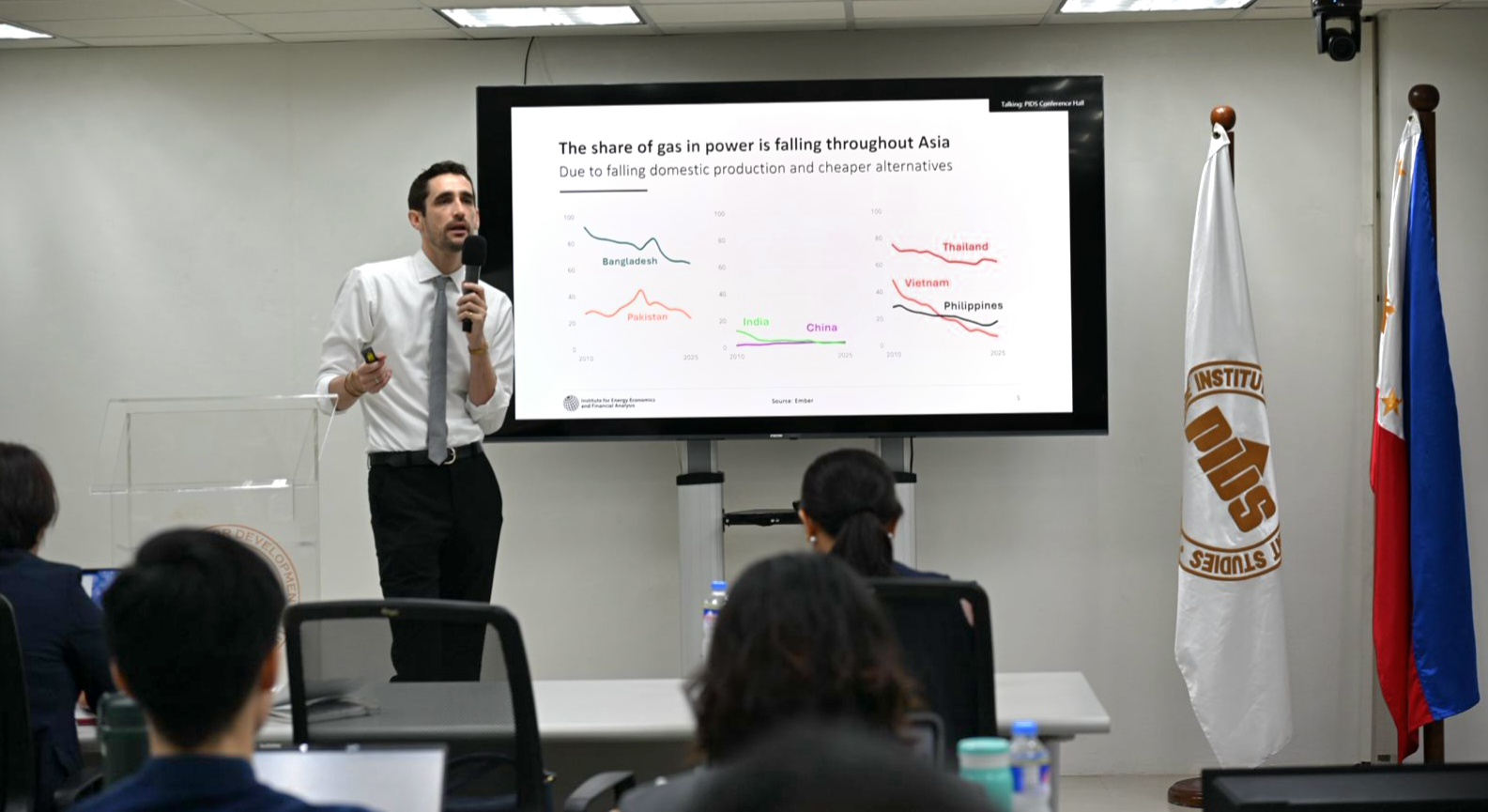
Sam also presented this during discussions with representatives from the Bangko Sentral ng Pilipinas, the European Chamber of Commerce of the Philippines and the Management Association of the Philippines, and the Center for Energy, Ecology, and Development.

Related Content