Key Findings
The Springerville coal plant in Arizona is a prime example of the administration’s support for uneconomic coal running into reality.
Coal-fired generation costs continue to rise, making the resource increasingly uncompetitive compared to other generation options.
All three Springerville plant owners have determined it is time to stop burning coal.
At Springerville the economic reality is clear: Coal is no longer competitive and no amount of rhetoric is going to change that.
Introduction
The administration’s political support for “clean, beautiful coal” keeps running into economic reality. Coal-fired generation costs continue to rise, making the resource economically uncompetitive.
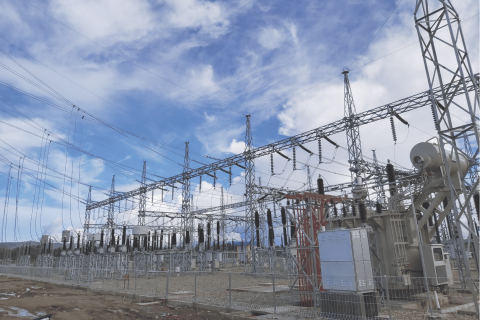
The latest example of this economic reality is occurring at the 1,649-megawatt (MW), four-unit Springerville coal plant in Arizona. The plant has three owners, but they have all reached the same conclusion: It is time to stop burning coal.

Two of the owners, Tucson Electric Power (TEP), which owns Units 1 and 2 (381 MW and 406 MW), and the Salt River Project (SRP), which owns Unit 4 (415 MW), have decided to convert their three units to gas. Tri-State Generation and Transmission Association, which owns Unit 3 (417 MW), has decided to retire its facility.


Related Content