Key Findings
Diesel use is emerging as one of the largest emissions sources in Australia’s resources sector, with fuel use growing faster than mining production as strip ratios increase.
Government projections of a rapid fall in mining energy emissions ignore recent trends and the long timelines required for fleet and fuel decarbonisation.
Limited progress is likely before 2035 due to companies deferring decarbonisation plans, weak policy drivers, the diesel fuel rebate and lengthy implementation timelines.
Government expectations that diesel emissions from Australian mining will fall over the next decade ignore the reality on the ground, where fuel consumption is rising as miners chase diminishing returns.
The federal government’s latest forecast projects that diesel emissions from mining will fall at a rate of 4.5% a year from a baseline of 21.7 million tonnes (Mt) in 2023 to 12.6Mt in 2035. The largest reductions are expected to come from coalmining due to decreased production and the impacts of the federal Safeguard Mechanism. However, the industry’s actual diesel emissions are rising 6% a year, and IEEFA has identified a range of factors which put in question the government’s forecasts.
Australia’s climate targets require deep emissions cuts across all sectors of the economy. For the resources sector to contribute, this means capturing more of the fugitive methane emissions from coal and gas production. Importantly, however, it also will entail achieving meaningful reductions in miners’ diesel fuel use – across all forms of mining.
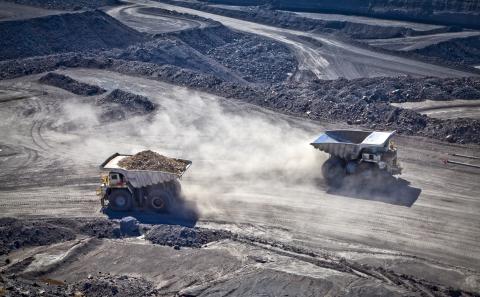
Mining consumes 9.6 billion litres of diesel a year, producing 22Mt of carbon dioxide equivalent (CO2e) emissions. Together, the mining of coal (48%) and iron ore (26%) account for three quarters of the industry’s diesel emissions in Australia.
A range of factors have the potential to undermine the government’s emissions projections, especially for coal. These include:
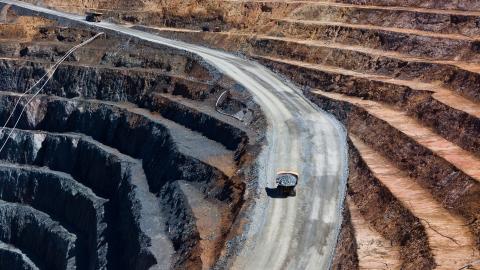
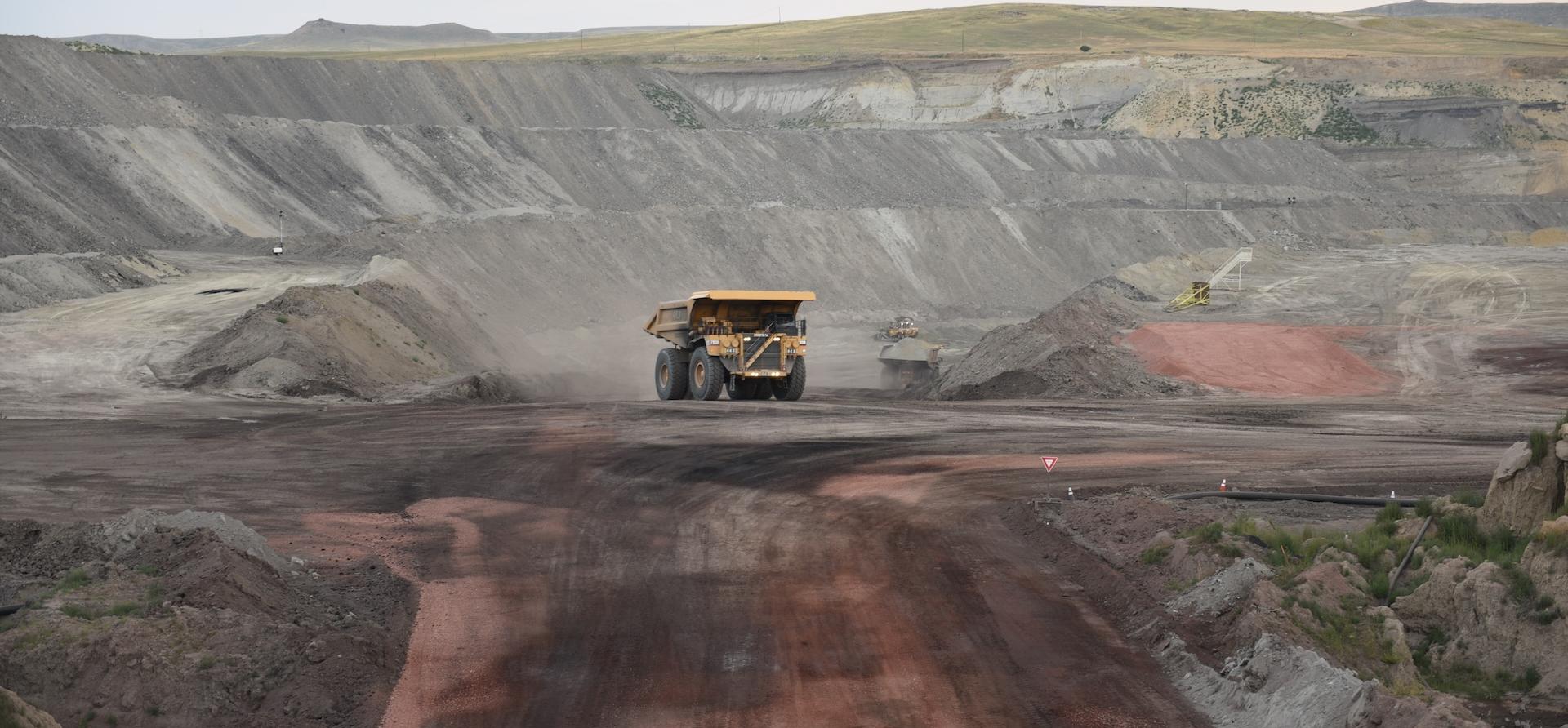
- The shift towards more diesel-intensive open-cut coalmines, where higher strip ratios have increased diesel intensity by 50% since FY2010-11, a trend expected to continue. (The strip ratio is the amount of material mined per tonne of coal.)
- Regulations offer limited incentive for action, such as the Safeguard Mechanism’s emissions baselines for open-cut coalmines and the low cost of compliance.
- Decarbonisation projects have long implementation timelines – for example, due to lengthy approvals and construction delays.
- The diesel fuel tax rebate scheme, which provides an estimated A$5 billion to mining each year, including A$1.5 billion to coalmining, is a disincentive to invest in diesel alternatives.
- Major miners slashing spending and deferring decarbonisation plans to the 2030s.
- Other disincentives include: declining mine profitability; and short/uncertain mine lifespans that could make fleet decarbonisation uneconomic.
The government expects declining coal production to make a significant contribution to diesel emissions reduction. Historical data trends don’t bear this out. Diesel emissions in mining have doubled since 2011, while coal production grew by only 18%. Furthermore, the proportion of coal produced from open-cut mines operating heavy surface equipment grew by 30% in that period. Emissions per tonne increased by 50%. Diesel intensity in mining is increasingly moving in the opposite direction to the energy transition.
Government's expect other emissions reductions to come from the deployment of electric vehicle or clean fuels technologies, incentivised by the Safeguard Mechanism. However, apart from Fortescue, major miners are not looking at implementing action at scale to decarbonise their diesel fleet before well into the 2030s. There are many bottlenecks, including the limited number of electric truck manufacturers, the low volumes of biofuels currently available in Australia and the long timelines to get renewable energy projects approved and built.
If historical trends persist, diesel emissions could increase by 30% to 40% (8-10MtCO2e) by 2035, making sector emissions targets challenging to achieve. Armed with strong policies, governments could position themselves as agents of change. Instead, inconsistent policies and incentives to retain diesel prevail.

Related Content