Market success of short-duration batteries paves the way for longer-lasting storage
Key Takeaways:
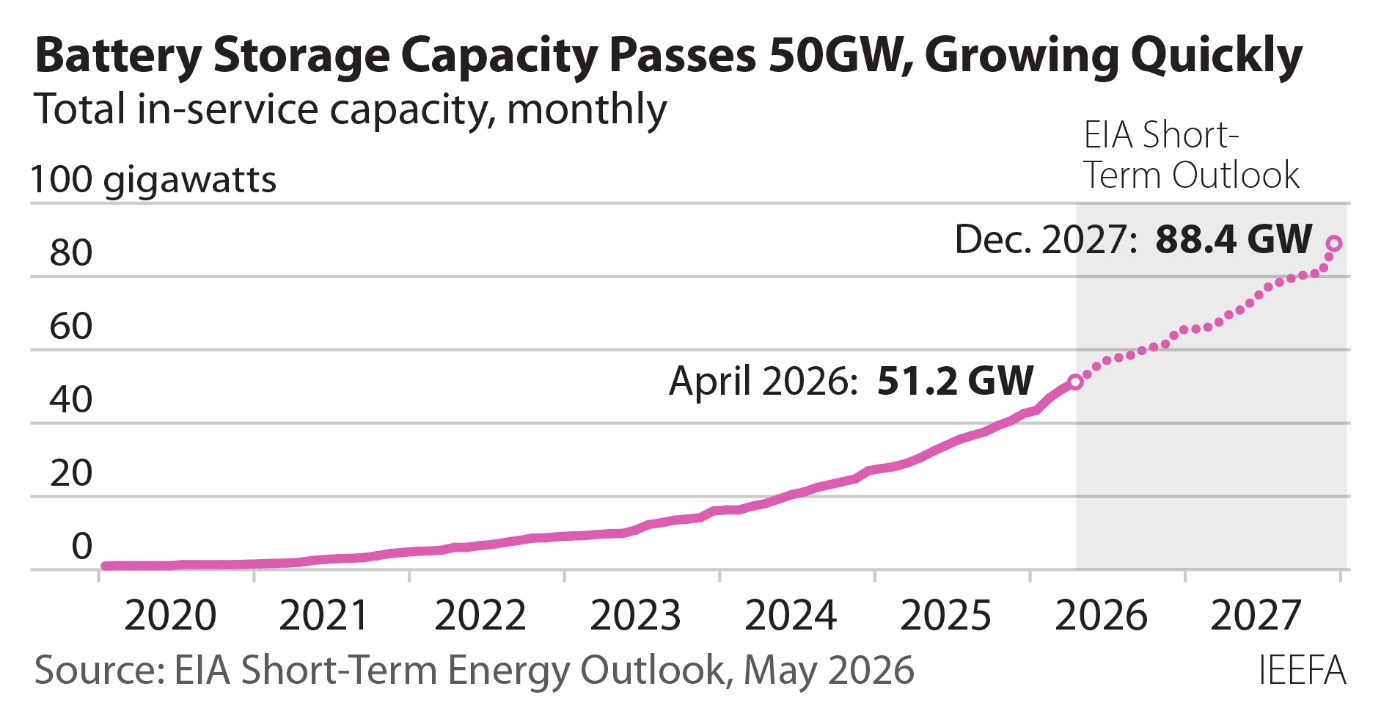
Short-duration battery storage has increased 25x over the last five years.
Installed capacity is expected to double again by the end of 2027.
There is no fast-response, long-duration storage in the U.S., but the outlook for its development in the next five to 10 years is positive.
Advances in technology, rising data center demand, and policy changes could drive the development and growth of long-duration storage.
According to the latest Institute for Energy Economics and Financial Analysis (IEEFA) briefing note the success of short-duration storage has piqued interest in longer-duration options that can address other issues, such as replacing expensive, polluting gas peaker plants and providing power during periods when weather conditions limit wind and solar production. In addition, several states have enacted procurement mandates requiring utilities to install long-duration storage.
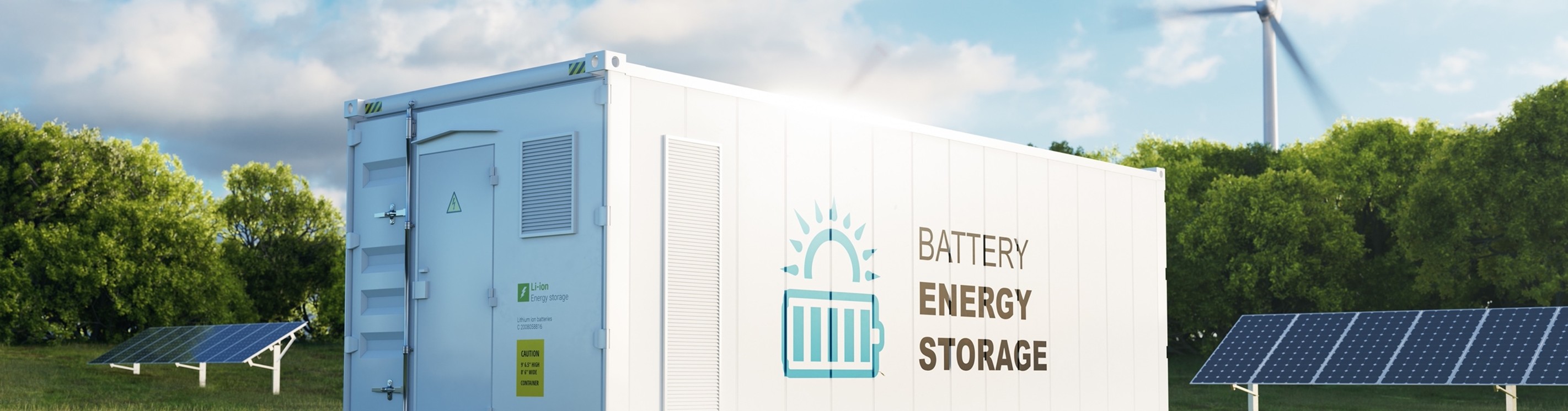
The growth of two- to four-hour lithium-ion batteries over the past five years has been nothing short of spectacular. Installed short-duration battery storage capacity in the U.S. increased from 1,694 megawatts (MW) in January 2021 to 43,419 MW in January 2026, according to the Energy Information Administration (EIA). Current forecasts call for installed capacity to double again by the end of 2027, reaching almost 90 gigawatts (GW). IEEFA believes that success has created an opening for longer-duration storage solutions that can store as much as four days of power. Companies in the data center and artificial intelligence (AI) sectors are emerging as major backers of long-duration energy storage. Combined, these developments provide certainty for companies looking to build long-duration storage and are likely to accelerate the market’s rise.
“The success of short-duration battery storage opens the door for long-duration storage,” said Dennis Wamsted, IEEFA energy analyst and author of the report. “Short-duration battery storage has proven to be an important tool for utilities managing reliability and cost issues. Similar progress is possible in the nascent long-duration market.”
IEEFA’s latest briefing highlights the spread of battery storage beyond California and Texas, which have been the sector’s early adopters. Battery storage resources already play a daily role in keeping costs down and reliability up in both states, with new records regularly being set. But other states are quickly following the path blazed by those two states, with the growing use of battery storage by Arizona Public Service one example highlighted in the briefing note. Regardless of location, battery storage enables utilities to reliably dispatch renewable generation when needed, lowering prices and fossil fuel generation demand.