Dominion-Next Era merger plan may slow Virginia clean energy transition
Key Takeaways:
September’s revised merger agreement between Dominion Energy and NextEra includes clues about future resource decisions in Virginia that should concern state regulators, political leaders, and renewable energy proponents.
Despite the success of the utility’s current offshore wind projects and promises of consumer fuel cost savings related to the renewable technology, the merger agreement fails to mention offshore wind at all.
Prior to the merger announcement, developing additional offshore wind was clearly a consideration for Dominion, but NextEra largely dismisses the technology—meaning the merger could challenge the state’s renewable energy transition.
NextEra is looking out for its shareholders first and foremost, and not Virginia ratepayers. Politicians, regulators, and energy advocates in the commonwealth need to keep that point front and center as they consider the massive merger proposal in the months ahead.
October 8, 2026 (IEEFA) – An updated merger agreement between Dominion Energy and NextEra pushes offshore wind out of the equation, raising concerns about future resource decisions in Virginia, according to the latest Institute for Energy Economics and Financial Analysis (IEEFA) briefing note. Prior to the merger announcement, developing additional offshore wind was clearly a consideration for Dominion, but its merger partner is not showing the same support for that renewable energy resource.
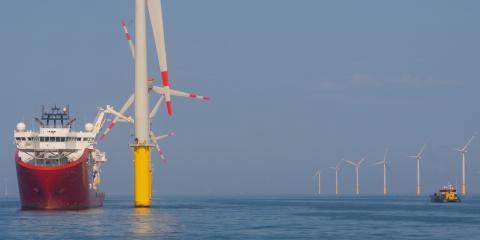
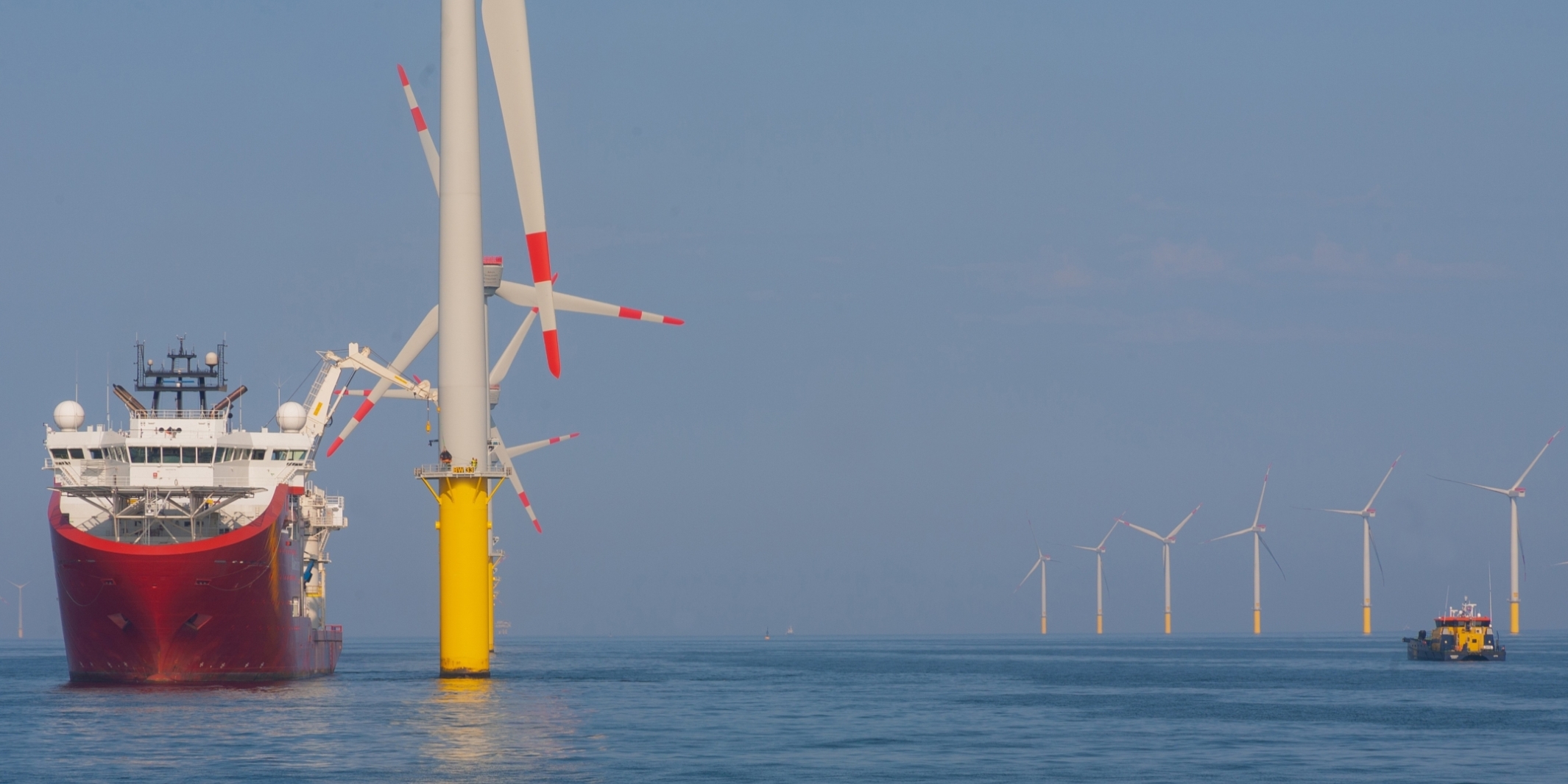
The absence of any mention of offshore wind is a glaring omission given Dominion’s own estimate that Virginia consumers will save $5 billion in fuel costs over the first 10 years of operation of the 2,600-megawatt (MW) Coastal Virginia Offshore Wind (CVOW) project, now more than 80% complete, and the strong performance of the utility’s nearby 12MW pilot project over the past six years. Despite these performance numbers and cost savings estimates, NextEra has been dismissive of offshore wind.
“By overlooking offshore wind and paying lip service to coal facilities, it is clear that NextEra is looking out for its shareholders first and foremost, and not Virginia ratepayers,” said Dennis Wamsted, IEEFA energy finance analyst and author of the briefing note. “Decisionmakers, regulators, and energy advocates in the commonwealth need to keep that point front and center as they consider the massive merger proposal in the months ahead.”
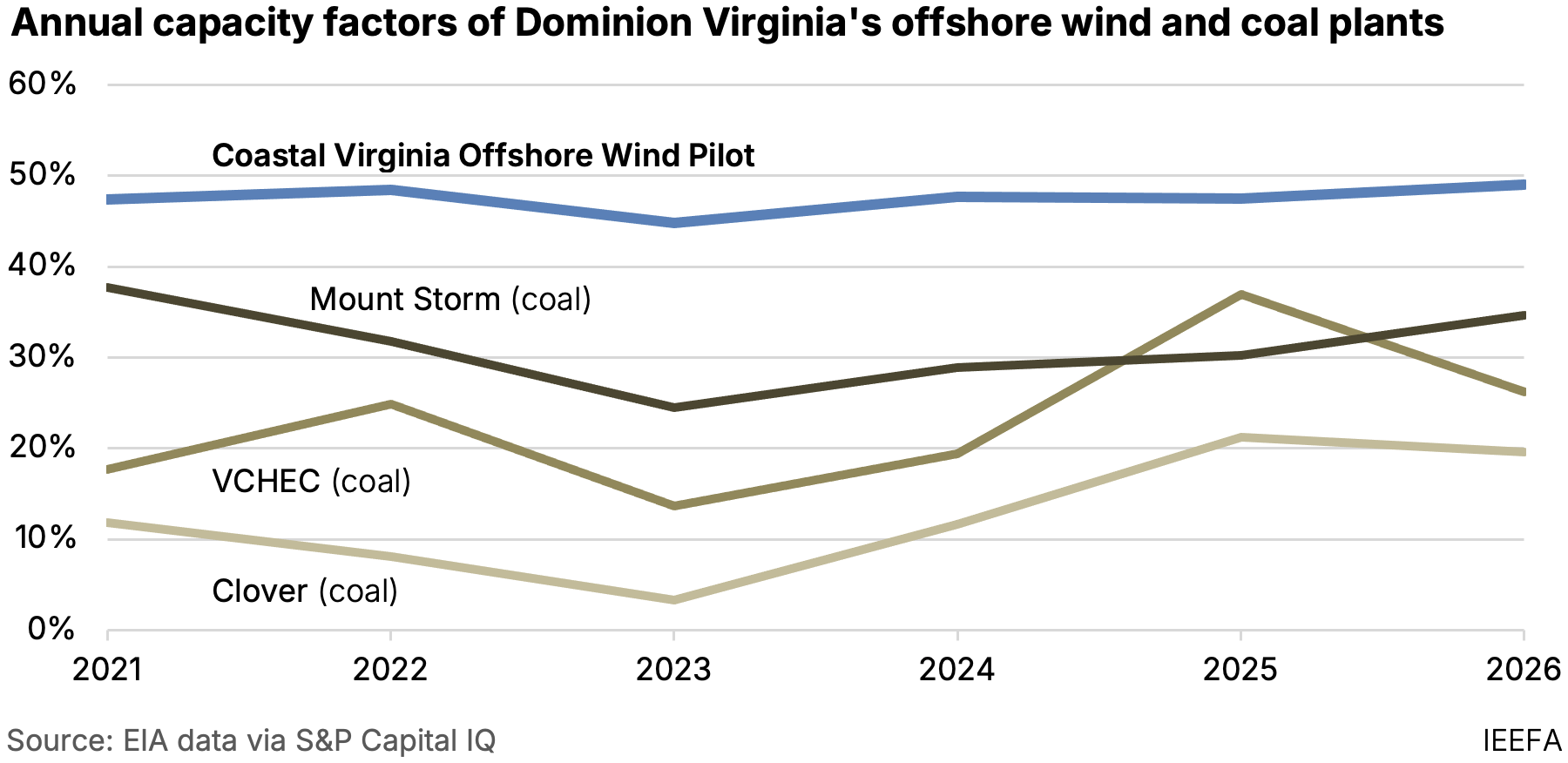
The graphic below shows the capacity factor of Dominion’s operating pilot offshore wind project versus its three operating coal-fired power plants. The difference is stark.
Another key shortcoming in the revised agreement is its apparent disregard of dispatchable renewable resources. Looking forward, regulators need to ensure that Dominion executives allow dispatchable renewable resources such as hybrid solar and battery projects to bid into future requests for proposals. These resources are already viable options as peaking power resources and will be able to compete in all time horizons as long-duration energy storage options are brought online.
Virginia regulators, politicians, and consumers need to ensure the proposed merger does not lock the state into an expensive fossil fuel-fired future—particularly given the proven performance and cost-effectiveness of renewable alternatives paired with battery storage.