As LNG Canada enters new phase, Phase 2 needs close scrutiny
Key Takeaways:
The investment case for Phase 2 is somewhat different from Phase 1 and should be considered on its own terms.
LNG Canada Phase 2 is approaching FID with potentially 50% of the combined project for sale and possible new ownership.
Phase 2 must contend with greater uncertainty around construction costs, economic inflation, potential global oversupply, divestments, and a turbulent trade environment.
September 29, 2026 (IEEFA) – As LNG Canada’s Phase 2 export facility in Kitimat, British Columbia, reaches FID today, the latest Institute for Energy Economics and Financial Analysis (IEEFA) report finds that the investment case for Phase 2 varies significantly from Phase 1 and should be considered on its own terms.
While both Phase 1 and 2 share the same site, overlapping ownership, and broad commercial characteristics, the economic and market conditions prevailing before final investment decision (FID) are somewhat dissimilar. Phase 1 benefitted from an established cost base, contractual protections, and long-term offtake commitments. Phase 2 requires a fresh commitment of capital at a time when borrowing and construction costs have risen, buyer preferences are evolving, and some sponsors are looking to divest their stakes in the project.
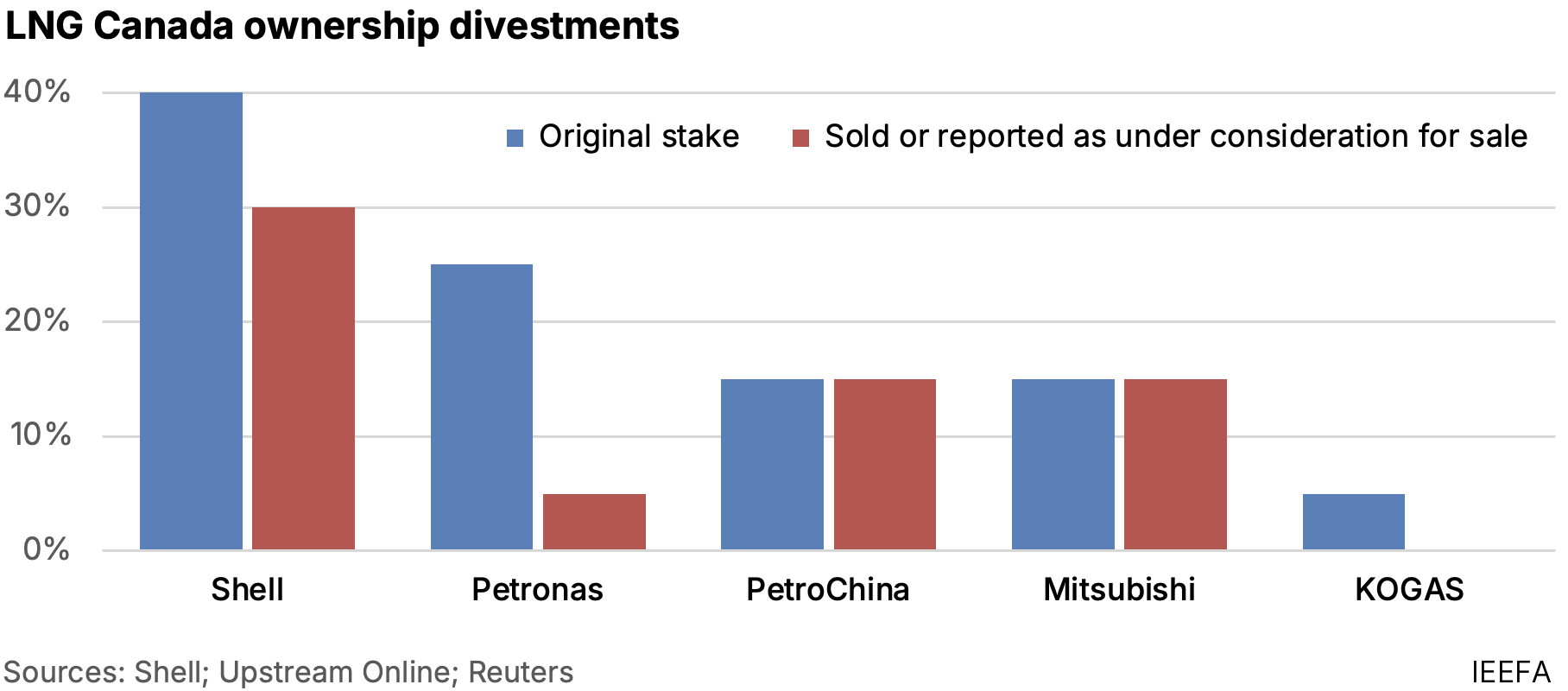
“The motives behind these divestments are unknown, but the shift in ownership—with core members of the original consortium reducing their stakes at a critical time when new capital is needed—raises questions,” says Mark Kalegha, IEEFA energy finance analyst and author of the report. “Are existing investors merely freeing up capital for other investments, and are new partners capable of strengthening the project’s balance sheet? Or are these divestments evidence of a changing appetite for the project’s risks, and does a reshuffled ownership base complicate governance and capital-raising, signaling additional risks for the expansion effort?”
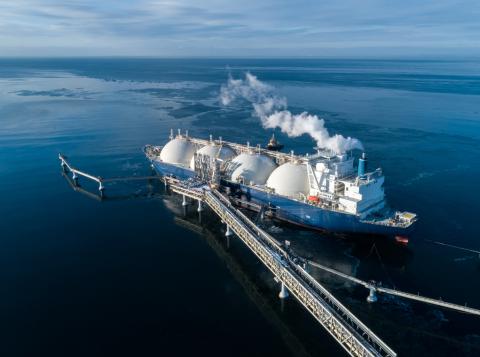
Phase 1, a two-train, 14 million tonnes per annum (MTPA) export facility in Kitimat, reached FID in 2018 and began commercial operations after shipping its inaugural cargo in June 2025. Phase 2, which aims to add two additional trains and expand capacity to approximately 28 MTPA, is now under consideration.
LNG Canada Phase 2 is not simply a duplication of Phase 1; it faces a materially different risk environment. Phase 1 is now an operating asset, with construction, contracting, and infrastructure risks largely behind it. Phase 2 must contend with greater uncertainty around construction costs, economic inflation, potential global oversupply, divestments, and a turbulent trade environment.
Stronger government backing for new Canadian LNG projects, as well as importers looking to diversify supply sources away from conflict-prone jurisdictions, may provide meaningful offsets. But these do not eliminate commercial risk. Investors, policymakers, and industry stakeholders are exposed to significant uncertainties and face critical questions as the project reaches FID.
Learn more in our fact sheet.