Terna’s grid upgrades can boost Italy’s energy security without raising electricity bills
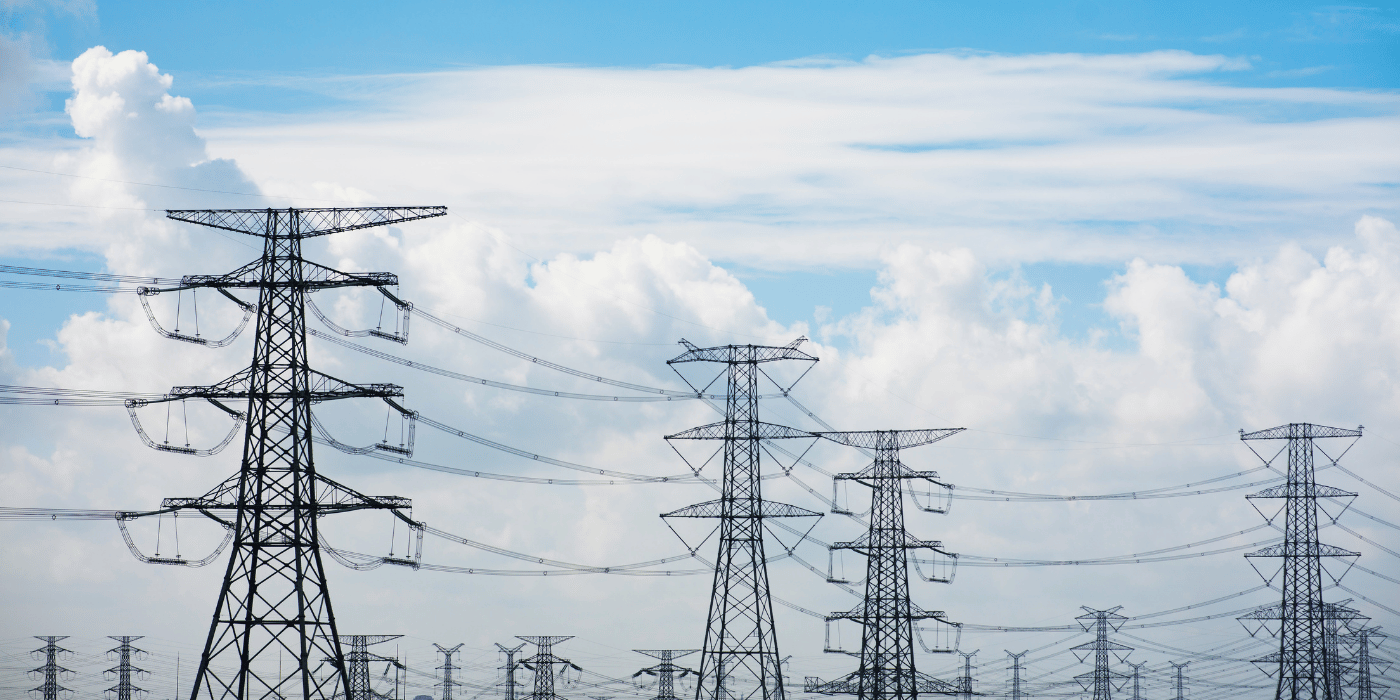
- Italian electricity grid operator Terna’s planned grid investments can boost the country’s energy security and competitiveness while accelerating the integration of renewables.
- Terna plans €16.6 billion of capital expenditure over 2024–28. IEEFA estimates that the company can make these investments without the need to raise electricity bills.
- Terna should maintain a resilient financial and credit profile by mobilising a diverse set of funding sources, combining public and private capital.
- Deploying innovative financing tools, including the European Green Bond Standard, together with targeted public funding to limit additional debt for high-value projects, will be critical for Terna.
11 March 2026 (IEEFA) | Italian electricity grid operator Terna can strengthen the country’s energy security by increasing investment to support more renewables, without raising consumer bills.
New research from the Institute for Energy Economics and Financial Analysis (IEEFA) reveals that Terna’s planned investment programme can boost Italy’s long-term competitiveness, reduce grid congestion at critical bottlenecks and lower curtailment.
With €16.6 billion of grid investments planned over 2024–28, the company will need to raise capital expenditure well above historical levels while maintaining its investment-grade credit profile.
The report finds that the success of Terna’s investments will depend on sustainable funding through regulated cash flow generation without placing undue pressure on network tariffs or energy affordability.
Despite the scale of required investments, IEEFA estimates that Terna’s transmission charges could stay close to their historic 4% of total customer electricity bills until 2028.
“Italy’s long-term competitiveness and energy security will depend on the strength of its electricity grid,” said Jonathan Bruegel, co-author of the report and a power sector analyst at IEEFA.
“Electricity transmission investments are essential for reducing grid congestion and accelerating renewable integration, potentially bringing broad benefits, which are often long term and not immediately visible. Terna stands at the centre of this transformation.”
Italy’s renewable energy production is concentrated in the south, while electricity demand remains anchored in the industrial north. As the resulting congestion limits the flow of clean power and increases system costs, the report calls on Terna to prioritise strengthening the north–south corridor and international interconnections.
“Without timely delivery, renewable energy integration will slow, curtailment will increase, and system inefficiencies will persist,” Bruegel said.
Diverse funding strategy
The research finds that Terna can maintain a resilient financial and credit profile by mobilising a diverse set of funding sources, combining public and private capital.
Regulated activities accounted for 84% of Terna’s 2024 revenues. Italy’s regulatory framework links returns to investments that generate higher value. Terna should therefore leverage this reinforcing loop and enhance its investment capacity through efficiency improvements and robust asset delivery.
Terna has demonstrated strong access to funding by issuing €1.6 billion of debt under the European Green Bond Standard, supported by robust investor demand.
“Terna’s financing challenge is material but manageable. The regulatory framework provides revenue visibility, capital markets remain accessible, and European green bond instruments have broadened funding access,” said Kevin Leung, co-author of the report and a sustainable finance analyst at IEEFA.
“Deploying innovative and sustainable financing tools, including the European Green Bond Standard, together with targeted public funding to limit additional debt needed for high-value projects, will be critical for Terna.”
The report shows that Italian regulators have several tools to enable grid infrastructure modernisation while limiting the effect on consumer bills.
For example, decoupling bills from volatile gas prices is key to maintaining energy affordability. Other measures include the implementation of carbon pricing and environmental tax reforms that better reflect the long-term socioeconomic benefits of clean power.
Press contact
Jules Scully | [email protected] | +44 7594 920255