Overbuilding fossil fuel generation threatens Puerto Rico’s affordability and climate goals
Key Takeaways:
Puerto Rico is in danger of overbuilding its centralized electricity generation system.
Proposals to overbuild the system with plants relying on imported natural gas would place even greater burdens on ratepayers.
The island is unlikely to meet its 100% renewable energy target by 2050 if it relies on biodiesel and green hydrogen as future fuels.
Puerto Rico should expand its efforts to build out more affordable and realistic renewable energy sources rather than rely on volatile, unreliable, and expensive fossil fuels.
2026 is proving to be a crucial year for Puerto Rico’s energy future. The territory consistently has among the highest electric rates in the United States. Important energy cases and planning proposals currently before the Puerto Rico Energy Bureau (PREB) will heavily influence the future cost of electricity. The Institute for Energy Economics and Financial Analysis (IEEFA)’s latest report takes an in-depth look at proposed new power generation and the risks of continuing to pursue large-scale generation projects outside of a rigorous energy planning process.
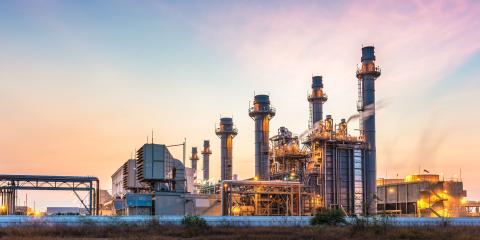
This report warns of the potential overbuild of Puerto Rico’s centralized generation system and of its continued dependence on imported natural gas.
Puerto Rico ratepayers face significant risks from current plans to overbuild the generation system with fossil-based generation. These risks include:
- Excess capital costs for underutilized power plant capacity, which would be borne by ratepayers.
- Risks of higher fuel costs and fuel supply disruptions, related to New Fortress Energy’s ongoing conflicts of interest. These risks increase with the expansion of New Fortress’s gas supply to the island.
- The risks of not meeting Puerto Rico’s 100% by 2050 renewable energy target, because of its reliance on biodiesel and green hydrogen as future fuels.
“The current system of ad hoc contracting for new generation capacity, outside of the integrated resource planning process and with no publicly available modeling of electric rate impacts, undermines the effectiveness of sound energy planning in Puerto Rico and puts ratepayers at risk of even higher rates,” said Cathy Kunkel, IEEFA energy consultant and author of the report. “It is also striking that distributed renewables are left out of new power generation plans, given the fast rate at which rooftop solar is being adopted across the island. Renewables are not subject to the same volatility caused by geopolitical events in the way fossil fuels are.”
The Puerto Rico government has not adequately justified the need to procure 3,000 megawatts (MW) of additional firm capacity, which—combined with other proposed projects—would result in significant excess generation capacity for the foreseeable future and preclude the island from meeting its 2050 renewable energy mandate.
The Puerto Rico Energy Bureau should consider not approving any proposed contracts that would result in overbuilding centralized generation and a lock-in to natural gas beyond the 2050 deadline for achieving 100% renewable energy, and instead fully commit to the decentralized solar build-out already underway.