India's heatwave challenge boosts need for renewable energy storage solutions
Key Findings
India is experiencing earlier and more intense summers, with prolonged heatwaves and increasingly warm nights pushing temperatures above 40C and reaching nearly 47C in some areas. This points to a deepening economic and public health crisis, with estimates suggesting extreme heat could cost India 2.5–4.5% of the nation's GDP by 2030.
On 25 April, India recorded a peak power demand of 256GW, an 8.9% increase from 235GW in April 2025. Nearly one-third of this demand was met by renewables, with solar alone contributing close to 57GW, or roughly 22% of total supply. However, limited battery storage continues to constrain its utilisation.
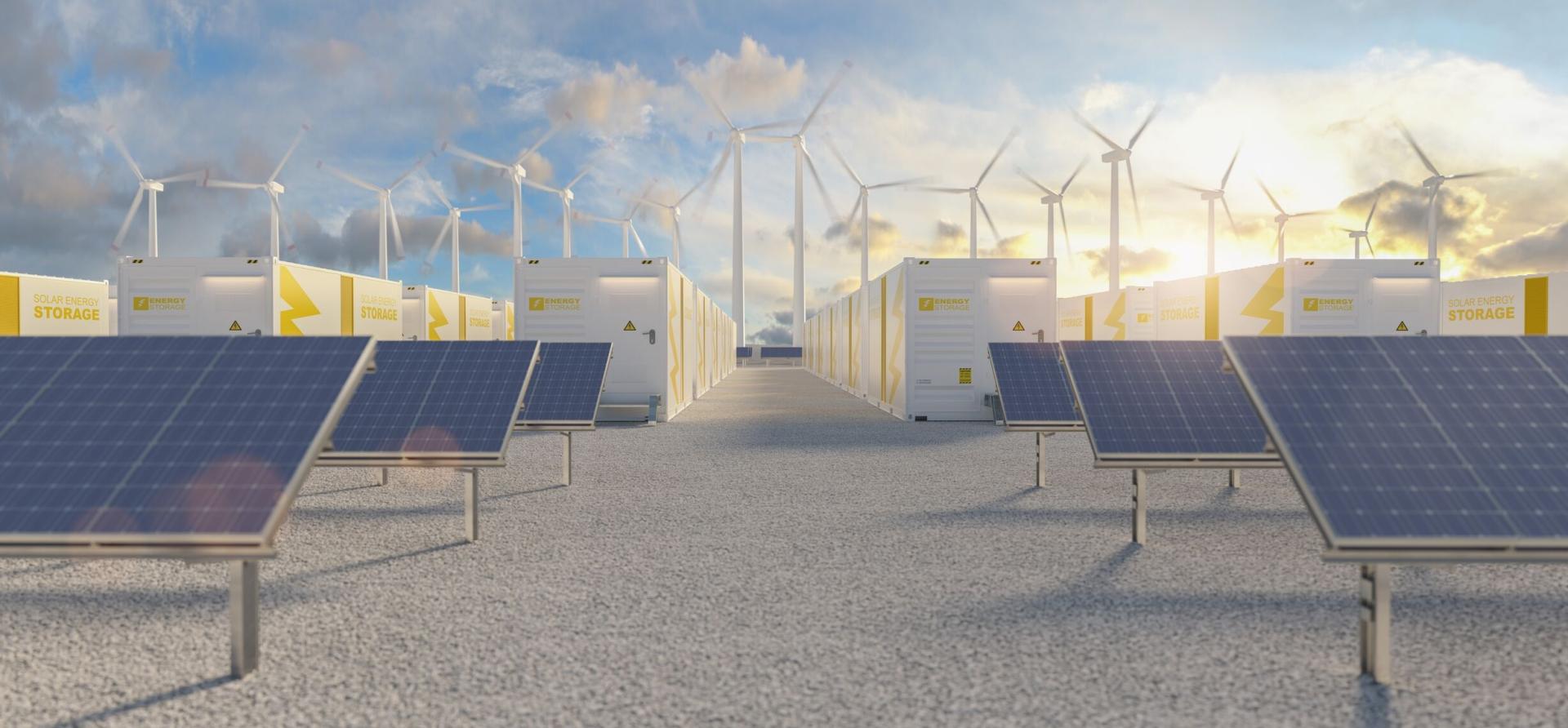
Peak electricity demand is shifting beyond solar generation hours. Meeting this rising evening demand increasingly requires energy storage. Without adequate storage capacity, the grid continues to rely heavily on thermal power to bridge the gap, raising emissions. At the same time, cooling demand is now driving peak load, and aligning consumption patterns with renewable generation is critical.
India’s summers are arriving earlier, becoming hotter, and less predictable. Since mid-April, many regions across the country have been experiencing intense heatwaves and warmer nights, with temperatures consistently exceeding 40C and reaching nearly 47C in some areas. Over the last weekend of the month, 95 of the world’s 100 hottest cities were in India.
Compounding this is the persistence of unusually warm night-time conditions across parts of north, central and eastern India. With minimum temperatures more than 5C above normal, even cloud cover or brief storms offer only temporary relief. Additionally, the India Meteorological Department (IMD) has forecast the development of El Niño conditions in the coming months.
This trajectory points to a deepening economic and public health crisis. Agricultural productivity declines under heat stress and erratic rainfall, while urban areas face amplified risks due to the urban heat island effect, which makes cities warmer than surrounding rural areas. If unaddressed, estimates suggest extreme heat could cost India USD150–USD250 billion (INR14.2 lakh crore to INR23.7 lakh crore) in lost economic activity by 2030, putting 2.5% to 4.5% of the nation's GDP at risk.
This stress is clearly visible in India’s power system. On 25 April, the country recorded a peak power demand of 256 gigawatts (GW), an 8.9% increase from 235GW in April 2025. More notably, the peak demand is arriving earlier in the year, reflecting the advance of hotter summer conditions. India is expected to record a peak demand of around 270GW this year, while cities such as Delhi have already crossed 7GW of demand in April, levels that were only reached in June in both 2024 and 2025.
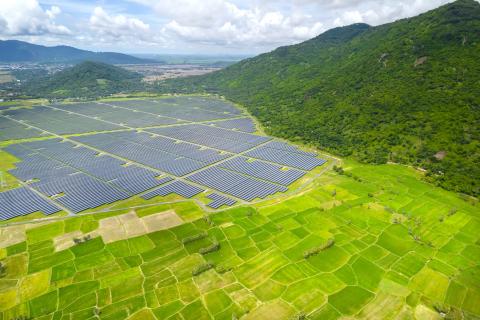
Despite record high peak demand, the system has managed to meet it so far. Nearly one-third of the peak demand was met by renewables, including solar, wind, and hydro. Solar alone contributed close to 57GW, accounting for roughly 22% of total supply. Solar’s growing contribution to India’s power mix has become increasingly visible over time. It’s share in total daily generation on the day of peak demand has steadily increased from 5.63% in 2022 to about 6% in 2023, 7.3% in 2024, and 8.9% in 2025. However, this also exposes the system’s structural limitation. Although solar accounts for around 28% of India’s installed power capacity as of March 2026, limited battery storage constraints its utilisation.
Between May and December 2025 alone, India curtailed an estimated 2.3 terra watt hours (TWh) of solar generation due to grid security concerns. System operators have increasingly had to reduce solar output as other generation sources reached their operational limits, highlighting insufficient grid flexibility and transmission capacity. This imbalance is also visible in market signals. During peak solar hours, excess supply has, at times, pushed electricity prices on power exchanges to near-zero, followed by a sharp spike during evening demand peaks. This volatility reflects the limited flexibility to store or shift renewable generation to when it is needed most. The system, in effect, is oversupplied and undersupplied at the same time, just at different hours of the day. Addressing this requires stronger price signals and market designs that incentivise flexible capacity and round-the-clock renewable solutions.
Demand peak now beyond solar hours
Further, as temperatures remain elevated into the evening, along with high night-time temperatures, the demand peak is shifting beyond solar hours. Evening peaks increasingly require energy storage. Without sufficient storage capacity, the grid relies heavily on thermal generation to fill the gap, raising both cost and emissions concerns. Recognising this challenge, India has begun integrating storage into system planning, with over 90 gigawatt-hour (GWh) of battery storage capacity already in the pipeline. Deployment, though, remains at an early stage, and execution risks such as aggressive bidding and project delays continue to slow progress. Past learnings from the wind sector show that overly aggressive tariff discovery can result in a large share of projects failing to materialise, highlighting the need for more realistic and market-aligned pricing frameworks.
Alongside supply-side solutions, demand-side management must also play a far greater role. With cooling demand now driving peak load, aligning consumption patterns with renewable generation is critical. Solar has become increasingly cost competitive within India’s energy mix, presently at USD0.032–0.033 per kilowatt-hour (~INR2.7–INR2.76 per kWh).
Parallelly, several states have implemented solar-hour-aligned time-of-day (ToD) tariffs. Expanding complementary demand-side interventions, such as smart metering, dynamic pricing, and shifting industrial loads, can further enhance grid efficiency and improve the utilisation of solar power. Even small efficiency gains can have large impacts. For instance, a simple solution can be raising air conditioner temperatures by just 1C, which can reduce energy use by around 6%.
India is targeting 500GW of non-fossil capacity by 2030. The country’s energy transition is increasingly shifting from managing capacity to managing complexity, which will need storage, demand flexibility, and market reform. This shift is unfolding against the backdrop of a deepening climate crisis. As extreme heat reshapes electricity demand, the real test is no longer how much renewable capacity India can build, but how effectively it can integrate, store, and use it when demand peaks.
This article was first published in The Economic Times


Related Content