Webinar: Scaling distributed resources in energy transition — experiences from Australia, Bangladesh, and India
The webinar brought together perspectives from all three countries on how distributed energy resources are reshaping their power sectors.
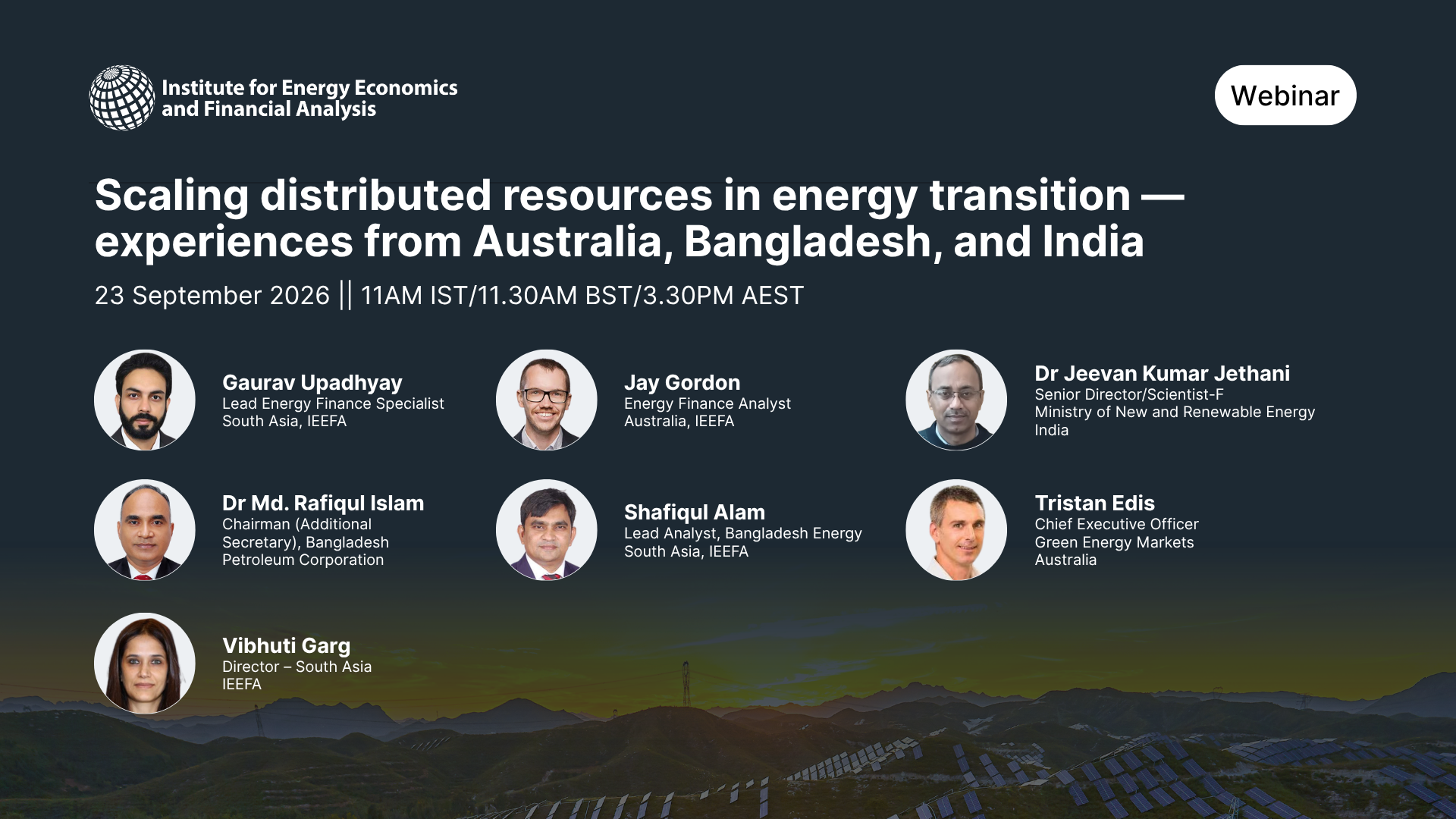
As countries accelerate their energy transitions, the role of distributed energy resources (DERs), such as rooftop solar, solar irrigation, small-scale batteries, and vehicle-to-grid (V2G) systems, is becoming more important than ever. Constrained by limited land and transmission networks for large-scale renewable energy projects, many countries see DERs as a potential lever for delivering clean and affordable energy. Frequent global energy supply disruptions, driven by geopolitics, further heighten the case for energy independence. A webinar organised by IEEFA examined the status and potential of DERs in Australia, Bangladesh and India to share what has worked, what has not, and how the countries can learn from each other.
A recent briefing note by IEEFA found that the three countries have made varying levels of progress on DERs. In Australia, DERs are rapidly transforming the electricity system: 40% of households have rooftop solar panels, backed by a supportive regulatory environment and strong incentives that are driving a surge in household battery uptake. Bangladesh’s DER sector, after a slow start, is also taking shape. The government’s new strategy document targets a rooftop solar capacity of 5,500 megawatts (MW) by 2030, representing more than 50% of the country’s renewable energy capacity. Meanwhile, the DER sector in India is an example of sustained policy support and subsidy programmes offered by the government. However, the DER sectors in all three countries face distinct challenges that must be addressed for rapid scale-up.
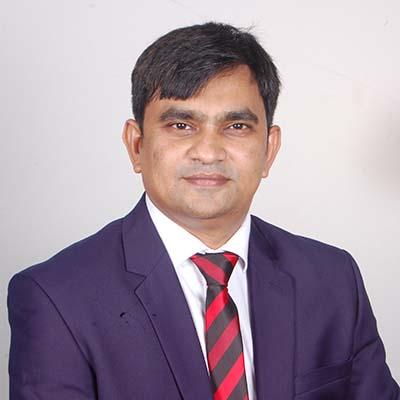
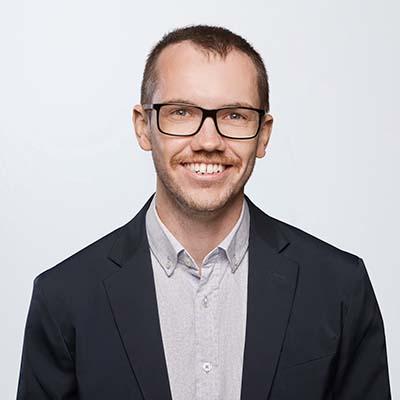
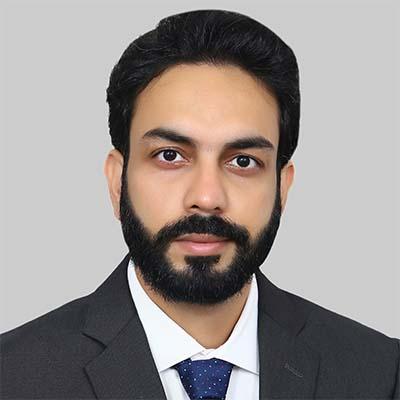
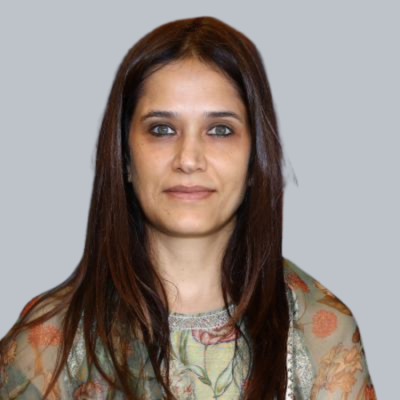
Despite the differing levels of success in DER promotion, there are opportunities to learn from each other’s experiences. The webinar presented the DER landscape of Australia, Bangladesh, and India, followed by a guided panel discussion featuring Tristan Edis, Chief Executive Officer, Green Energy Markets, Australia; Dr Md. Rafiqul Islam, Chairman (Additional Secretary), Bangladesh Petroleum Corporation; and Dr Jeevan Kumar Jethani, Senior Director/Scientist-F, Ministry of New and Renewable Energy, India. It served as a platform for cross-country learning and offer future directions for DER promotion.
Themes discussed
Australia: Government-led incentive programmes have driven rapid uptake of DERs, particularly rooftop solar and residential batteries. This has already had an impact on reshaping the grid, such as supporting the replacement of retiring coal generators. Apart from incentive schemes, what other factors have accelerated the uptake of DERs in Australia? What lessons could this offer other countries seeking to replicate such growth?
Bangladesh: Land scarcity and complexity of land acquisition make DERs an attractive renewable energy option. After a slow start, rooftop solar is gaining traction in Bangladesh, yet significant potential remains untapped. What steps could unlock this potential, especially given the government’s goal of rooftop solar capacity of 5,500MW by 2030? Will Bangladesh’s future energy transition be more distributed or centralised, and why?
India: Targeted capital subsidies, along with streamlining of finance, are expediting the uptake of DERs in India. While such measures are commendable, are there still gaps that are holding back the DER sector’s growth, and if so, how? How important is the role of low-cost finance in the DER sector, and how is India addressing the risks associated with financing small-scale projects?
Read IEEFA's briefing note, 'Role of Distributed Resources in Energy Transition: A Multi-Country Perspective', here.
The webinar was held on 23 September 2026.
Organisations: Institute for Energy Economics and Financial Analysis (IEEFA)